


 Tiếng Việt
Vietnamese cassia cinnamon powder is a versatile natural spice valued for its warm aroma, distinctive sweetness, and bold flavour. Produced from the dried bark of cinnamon trees, this finely ground spice is widely used in food manufacturing, bakery products, beverages, seasoning blends, and spice formulations.
For international food manufacturers, importers, and wholesale distributors, choosing the right cinnamon powder involves more than evaluating its colour and aroma. Botanical identity, raw material origin, processing methods, physical characteristics, food safety, and consistency between batches all play important roles in determining product suitability.
Vietnam is an established source of cassia cinnamon, offering opportunities for buyers seeking Vietnamese-origin spices for international markets. Understanding the product and its quality characteristics can help businesses make more informed sourcing decisions.
What Is Cassia Cinnamon Powder?
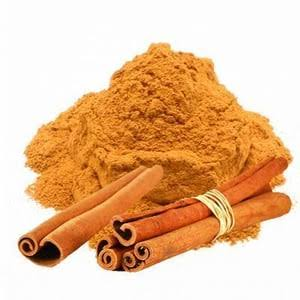
Cassia cinnamon powder is a ground spice obtained by drying and milling the bark of cassia cinnamon trees. The bark contains naturally occurring aromatic compounds that give the powder its characteristic warm, sweet, and slightly pungent flavour.
Vietnamese cassia is commonly associated with Cinnamomum loureiroi, also known in international trade as Vietnamese cassia or Saigon cinnamon.
Unlike Ceylon cinnamon (Cinnamomum verum), cassia generally has a stronger, more intense flavour profile. These products should be distinguished by their botanical identity rather than treated as interchangeable varieties.
Once the bark is dried and processed into powder, it becomes a convenient ingredient for manufacturers who require consistent particle size and easy incorporation into food formulations.
Key Characteristics of Cassia Cinnamon Powder
The main characteristics buyers typically evaluate include:
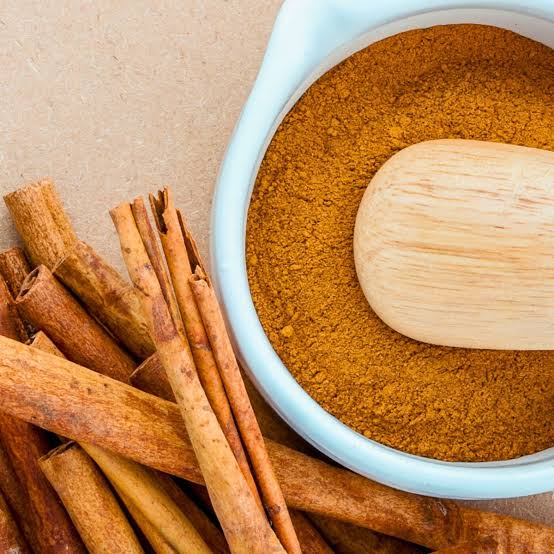
- Colour: Naturally reddish-brown to brown, depending on the botanical material and processing conditions.
- Aroma: Warm, sweet, rich, and distinctly aromatic.
- Taste: Sweet-spicy with a characteristic cassia pungency.
- Texture: Fine, dry, and relatively uniform when properly milled and sieved.
- Origin: Vietnamese cassia can be identified by its declared botanical identity and verified country of origin.
The actual colour, aroma intensity, and physical characteristics may vary according to raw material quality, bark maturity, drying conditions, and milling specifications.
Vietnamese Cassia: Origin and Characteristics
Vietnam has a long-established cinnamon-growing tradition, particularly in northern mountainous areas where suitable climatic and agricultural conditions support cinnamon cultivation.
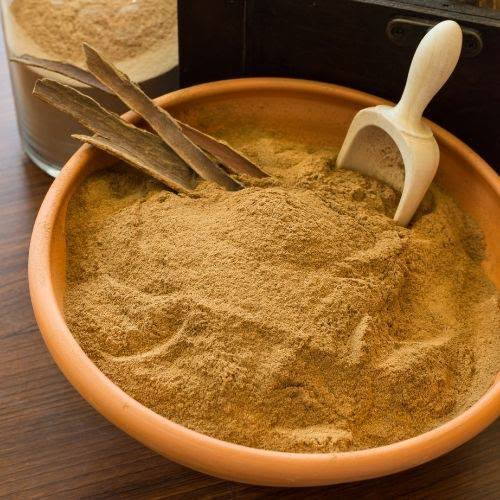
Vietnamese cassia is commercially valued for its distinctive aromatic profile and applications in the international spice trade.
The botanical species commonly associated with Vietnamese cassia is Cinnamomum loureiroi. It is different from Chinese cassia (Cinnamomum cassia) and Indonesian cassia (Cinnamomum burmannii).
For international buyers, origin identification is important because cinnamon varieties can differ in flavour, aromatic composition, and chemical characteristics.
When sourcing Vietnamese cassia cinnamon powder, buyers should consider:
- Verified country of origin.
- Botanical identity where required.
- Traceability of the raw material.
- Consistency of colour and aroma.
- Processing and food safety documentation.
- Compliance with the destination market’s requirements.
A reliable supplier should be able to provide appropriate product documentation to support origin and quality verification.
How Is Cinnamon Powder Made?
The production of cinnamon powder involves several processing stages. Proper handling at each stage helps preserve the natural aromatic characteristics of the bark while maintaining product cleanliness and consistency.
1. Raw Material Selection
The process begins with selecting suitable dried cassia bark.
Raw materials should be assessed for:
- Botanical identity and origin.
- Natural aroma and colour.
- Dryness and physical condition.
- Foreign matter and visible contamination.
- Suitability for food processing.
The selection of raw materials directly influences the quality of the finished powder.
2. Drying and Moisture Control
Cinnamon bark must be sufficiently dried before milling.
Proper drying helps reduce excess moisture and supports product stability during subsequent processing and storage.
Moisture content should be monitored according to the buyer’s specification and applicable product requirements. Excess moisture can contribute to clumping, reduced shelf stability, and conditions that may support microbial growth.
3. Cleaning and Foreign Matter Removal
Before grinding, the bark is cleaned to remove unwanted materials.
Depending on the processing system, this stage may include screening, sorting, and other appropriate cleaning operations.
The objective is to minimize foreign matter and prepare the raw material for controlled milling.
4. Grinding and Milling
The cleaned and dried cassia bark is processed using suitable grinding equipment.
Grinding conditions can influence:
- Particle size.
- Powder uniformity.
- Heat generation.
- Aroma retention.
- Final product appearance.
Excessive heat during milling may affect volatile aromatic compounds. Therefore, processing conditions should be managed to achieve the required particle size while maintaining product quality.
5. Sieving and Quality Inspection
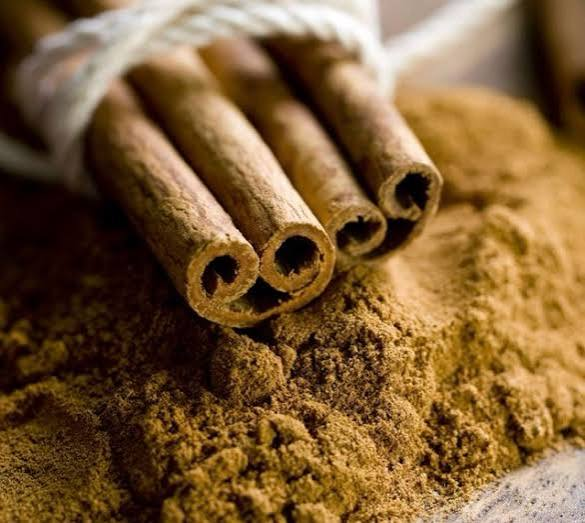
After grinding, the powder may pass through sieving equipment to achieve the agreed particle-size specification.
Quality inspection should cover relevant physical, chemical, and microbiological parameters based on the intended application and buyer requirements.
6. Packaging and Storage
The finished cinnamon powder should be packed in suitable food-grade packaging that protects it from moisture, contamination, and loss of aroma.
Storage conditions should be clean, dry, and appropriate for maintaining product quality.
Packaging materials, net weight, and labelling should be agreed upon between the supplier and buyer.
Key Quality Characteristics of Cinnamon Powder
Quality cinnamon powder is not determined by appearance alone. Buyers should evaluate a combination of physical, sensory, chemical, and food safety parameters.
1. Colour and Appearance
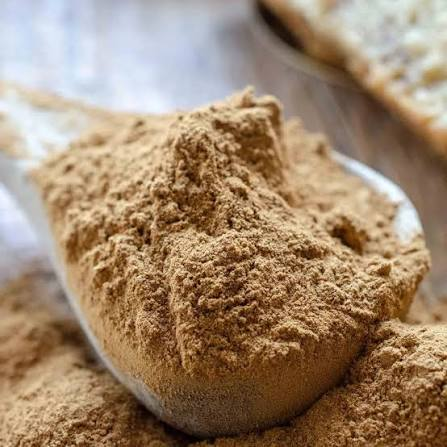
Natural cassia cinnamon powder generally has a reddish-brown to brown appearance.
Colour consistency can help assess batch uniformity, but it should not be used as the only indicator of quality.
Unusual discoloration, visible foreign particles, or signs of moisture damage should be investigated.
2. Aroma and Flavour
A characteristic warm, sweet, and aromatic profile is one of the most important sensory features of cassia powder.
The intensity of the aroma depends on the botanical variety, raw material characteristics, storage conditions, and processing methods.
For manufacturers, sensory consistency is important because cinnamon is often used as a flavouring ingredient in formulations where small variations can influence the final product.
3. Particle Size
Particle size determines how easily cinnamon powder can be incorporated into different food applications.
Fine powder may be preferred for:
- Instant beverage mixes.
- Bakery formulations.
- Seasoning blends.
- Spice premixes.
- Food ingredient manufacturing.
Coarser powder may be suitable for certain applications requiring a different texture.
Buyers should specify the required mesh size or particle-size distribution rather than relying on general descriptions such as fine or extra fine.
4. Moisture Content
Moisture content is an important parameter for ground spices.
Excess moisture can increase the risk of caking and negatively affect storage stability.
The acceptable moisture level should be agreed upon in the product specification and verified through appropriate testing.
5. Volatile Oil Content
Volatile oil contributes significantly to the characteristic aroma and flavour of cinnamon.
Its content can vary depending on botanical species, bark quality, origin, and processing conditions.
Buyers requiring a particular aromatic intensity should consider including a volatile oil requirement in their purchase specification.
6. Ash and Foreign Matter
Total ash and acid-insoluble ash can provide useful information about mineral residue and possible contamination.
Foreign matter inspection is also important for ensuring product cleanliness.
These parameters should be assessed using suitable analytical methods and agreed testing requirements.
7. Microbiological and Chemical Safety
Ground spices require appropriate food safety controls throughout production and handling.
Depending on the destination market and buyer specification, relevant testing may include:
- Salmonella.
- Total plate count.
- Yeast and mould.
- Heavy metals.
- Pesticide residues.
- Other applicable chemical contaminants.
Testing requirements should be determined according to the product, intended use, and importing country’s regulations.
Cinnamon Powder vs. Cinnamon Sticks
Cinnamon powder and cinnamon sticks are produced from the same general raw material category but serve different commercial and manufacturing purposes.
| Comparison | Cinnamon Powder | Cinnamon Sticks |
|---|---|---|
| Physical form | Ground bark | Dried bark in stick or quill form |
| Processing | Requires milling and sieving | Requires bark preparation and drying |
| Convenience | Ready for direct formulation | Usually requires crushing or grinding |
| Applications | Bakery, beverages, seasonings | Tea, beverages, cooking and extraction |
| Particle size | Specified by mesh or distribution | Specified by dimensions and form |
| Quality inspection | Includes powder uniformity | Includes appearance, thickness and structure |
For industrial food production, cinnamon powder is often preferred when accurate ingredient dosing and easy blending are required.
Cinnamon sticks may be more suitable for applications where whole-bark appearance, infusion, or further processing is preferred.
Applications of Cinnamon Powder in the Food Industry
Cinnamon powder is widely used in food manufacturing because of its distinctive flavour and compatibility with different ingredient formulations.
1. Bakery and Confectionery
Cinnamon powder is commonly used in:
- Bread and sweet rolls.
- Cookies and biscuits.
- Cakes and pastries.
- Cinnamon-flavoured fillings.
- Dessert mixes.
Its warm flavour complements ingredients such as sugar, chocolate, nuts, and fruit.
2. Beverage Manufacturing
Cinnamon powder can be incorporated into different beverage formulations, including:
- Instant cinnamon drinks.
- Coffee and tea blends.
- Spiced milk beverages.
- Herbal beverage mixes.
- Seasonal drink formulations.
The required particle size and dispersion characteristics depend on the final beverage format.
3. Seasoning and Spice Blends
Cinnamon is an important ingredient in many seasoning formulations.
It may be combined with ingredients such as ginger, cloves, black pepper, nutmeg, and other spices to create blends for meat products, sauces, marinades, and ready-to-cook foods.
4. Food Ingredient Manufacturing
Food manufacturers may use cinnamon powder as an ingredient in:
- Dry premixes.
- Flavouring preparations.
- Dessert ingredients.
- Instant food formulations.
- Private-label spice products.
For these applications, consistency between production batches and reliable product documentation are particularly important.
What Should Buyers Check When Purchasing Cinnamon Powder?
For importers and industrial buyers, a clear purchasing specification helps reduce quality discrepancies and supports more efficient supplier evaluation.
The following parameters should be considered when preparing a cinnamon powder specification.
| Parameter | What Buyers Should Specify |
|---|---|
| Product name | Cassia Cinnamon Powder / Vietnamese Cassia Powder |
| Botanical identity | Species, where required |
| Origin | Country of origin |
| Colour | Agreed natural colour range |
| Aroma and flavour | Characteristic cassia profile |
| Moisture | Maximum agreed percentage |
| Particle size | Mesh size or particle-size distribution |
| Volatile oil | Minimum agreed value, if required |
| Total ash | Maximum agreed percentage |
| Acid-insoluble ash | Maximum agreed percentage |
| Foreign matter | Maximum agreed limit |
| Microbiological criteria | Destination-market and buyer requirements |
| Chemical residues | Applicable regulatory limits |
| Packaging | Food-grade packaging and agreed net weight |
| Shelf life | Supported by product validation and storage conditions |
There is no single universal specification suitable for every cinnamon powder application. Requirements should be adjusted according to the buyer’s manufacturing process, target market, and intended end use.
Why Particle Size Matters
Particle size affects the performance of cinnamon powder in industrial formulations.
For example, manufacturers producing dry beverage mixes may require a different particle-size distribution from bakeries or seasoning producers.
A clearly defined mesh specification helps suppliers and buyers avoid misunderstandings during sampling, quotation, and shipment approval.
Why Food Safety Documentation Matters
Cinnamon powder is a ground spice, meaning it requires careful handling throughout the processing chain.
Food safety management should address raw material handling, cleaning, processing hygiene, contamination prevention, packaging, and storage.
Importers may request relevant documents such as:
- Certificate of Analysis (COA).
- Product Specification Sheet.
- Certificate of Origin (C/O), where applicable.
- Phytosanitary Certificate, where required.
- Microbiological test reports.
- Pesticide residue and heavy metal test reports.
- HACCP or other relevant food safety documentation.
The exact documentation depends on the importing country’s regulations and the contractual requirements.
How to Choose a Reliable Cinnamon Powder Supplier
Selecting a reliable cinnamon powder supplier is an important part of international sourcing.
A competitive quotation should not be evaluated on price alone. Buyers should also assess product consistency, traceability, documentation, production controls, and export experience.
Here are several factors to consider.
1. Verified Product Origin
The supplier should clearly identify the country of origin and provide supporting documentation where applicable.
2. Consistent Product Specifications
A professional supplier should be able to provide a detailed specification sheet covering the agreed quality parameters.
3. Quality Control and Testing
Buyers should understand how the supplier manages product inspection, sampling, laboratory testing, and batch approval.
4. Food Safety Management
Relevant food safety systems and documentation help demonstrate the supplier’s approach to controlling potential hazards.
5. Export Capability
International buyers should consider the supplier’s experience with export documentation, packaging requirements, shipment coordination, and communication.
6. Sample Availability
Evaluating a representative sample before confirming a commercial order helps buyers assess whether the product meets their requirements.
Sourcing Vietnamese Cassia Cinnamon from Nam Son
Nam Son is a Vietnamese agricultural products supplier focused on connecting Vietnamese-origin products with international B2B markets.
With experience in agricultural sourcing and export operations, Nam Son serves international buyers seeking Vietnamese tea, coffee, pepper, cassia cinnamon, star anise, and other agricultural products.
For buyers interested in Vietnamese cassia cinnamon powder, product requirements should be discussed in detail to establish the appropriate quality specification and supply arrangement.
Depending on the intended application, buyers can discuss:
- Product origin and botanical identity.
- Required colour and aroma profile.
- Moisture specifications.
- Mesh size and particle distribution.
- Volatile oil requirements.
- Microbiological and chemical testing.
- Packaging and private-label requirements.
- Order quantity and export terms.
Nam Son aims to support B2B sourcing through clear communication, product documentation, and specifications aligned with buyers’ requirements.
Looking for a Vietnamese Cassia Cinnamon Powder Supplier?
Contact Nam Son to discuss your product specifications, packaging requirements, and sourcing needs.
Website: https://nam-son.com/
Frequently Asked Questions About Cinnamon Powder
1. What is cassia cinnamon powder made from?
Cassia cinnamon powder is made by drying and grinding the bark of cassia cinnamon trees. Vietnamese cassia is commonly associated with Cinnamomum loureiroi.
2. Is Vietnamese cinnamon the same as Ceylon cinnamon?
No. Vietnamese cassia and Ceylon cinnamon are different botanical types. Vietnamese cassia is commonly identified as Cinnamomum loureiroi, while Ceylon cinnamon is Cinnamomum verum.
They differ in botanical identity and may have different aromatic and chemical characteristics.
3. What does cinnamon powder taste like?
Cassia cinnamon powder generally has a warm, sweet, aromatic, and slightly pungent flavour. Its intensity depends on the variety, raw material quality, and processing conditions.
4. What is the difference between fine and coarse cinnamon powder?
Fine cinnamon powder has smaller particles and is generally easier to incorporate into dry mixes and certain food formulations. Coarser powder may be suitable for applications requiring a different texture or processing method.
5. How is cinnamon powder quality tested?
Quality evaluation may include moisture, particle size, colour, aroma, volatile oil, total ash, acid-insoluble ash, foreign matter, microbiological criteria, and applicable chemical residue testing.
The specific testing programme should follow the agreed product specification and destination-market requirements.
6. How should cinnamon powder be stored?
Cinnamon powder should be stored in sealed, food-grade packaging in a cool, dry, clean environment. It should be protected from moisture, direct sunlight, excessive heat, and strong external odours.
7. Can cinnamon powder be supplied in bulk?
Bulk supply is possible depending on the supplier’s sourcing and processing arrangements. Buyers should confirm available quantities, packaging formats, specifications, and delivery terms directly with the supplier.
8. How can international buyers request a quotation?
Buyers should provide the required product specification, quantity, packaging preference, destination port, and any applicable testing or certification requirements.
This information helps suppliers prepare a more accurate quotation and determine the appropriate supply arrangement.
