


 Tiếng Việt
Coffee roasting is more than applying heat to green beans. It is a controlled process that transforms the bean’s physical structure, develops aroma and flavor, and determines the consistency of the final cup.
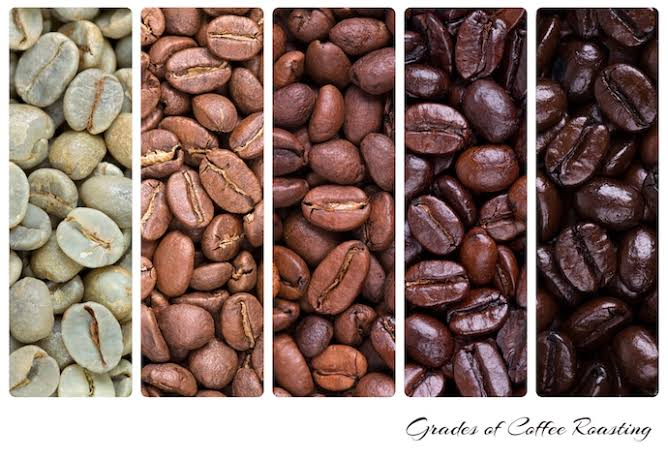
For roasters, several factors deserve close attention:
1. GREEN COFFEE QUALITY
Bean size, density, moisture content, processing method and defect rate all influence how coffee responds to heat. Consistent green coffee specifications provide a more reliable starting point for roast development.
2. ROAST PROFILE
Temperature, rate of temperature rise, airflow and total roasting time must be managed together. A profile that works for one coffee may not deliver the same results with another origin, screen size or processing method.
3. COLOR IS NOT THE ONLY INDICATOR
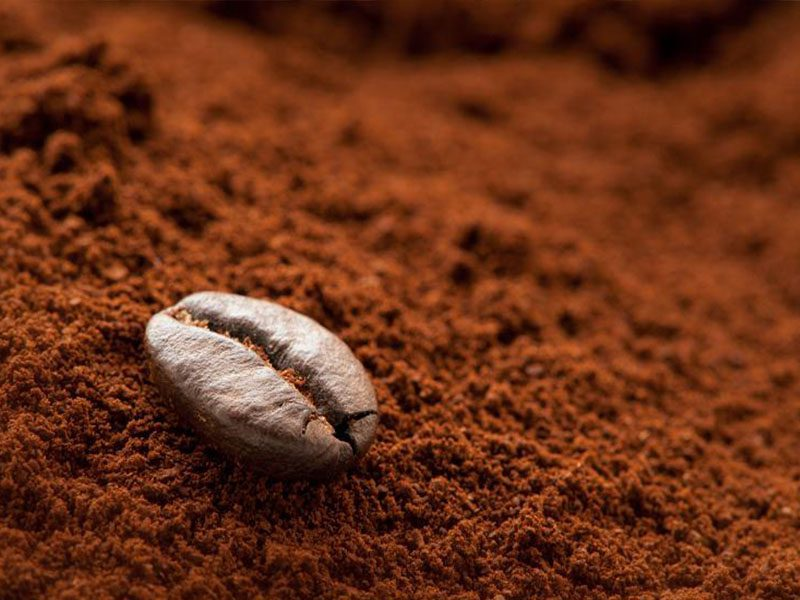
Roast color is useful, but it does not fully describe flavor development. Aroma, acidity, sweetness, bitterness, body and aftertaste should also be evaluated through systematic cupping.

4. COOLING AND STORAGE
After roasting, beans should be cooled promptly and stored in suitable packaging that limits exposure to oxygen, moisture, heat and light. Degassing time should be considered before brewing or packaging, depending on the intended application.
5. CONSISTENCY BETWEEN BATCHES
Recording roast parameters and evaluating each batch help roasters identify variations and maintain a repeatable flavor profile.
At Nam Son, we understand that consistent roasting begins with suitable green coffee. We supply Vietnamese Robusta and Arabica in different screen sizes and specifications to support the needs of roasters, coffee manufacturers and international buyers.
Looking for a reliable green coffee supply? Contact Nam Son for specifications, samples and B2B quotations.
