


 Tiếng Việt
Cashew WW240 is a widely traded grade of whole white cashew kernels used in retail packaging, snack production, foodservice, bakery and confectionery applications. For importers and food manufacturers, however, the WW240 designation alone does not guarantee that a shipment meets the required quality standard.
Before purchasing bulk cashew kernels, buyers should evaluate three key factors: kernel size, whole-kernel integrity, and defect levels. Moisture content, odor, packaging and food safety requirements should also be verified against the agreed product specification.
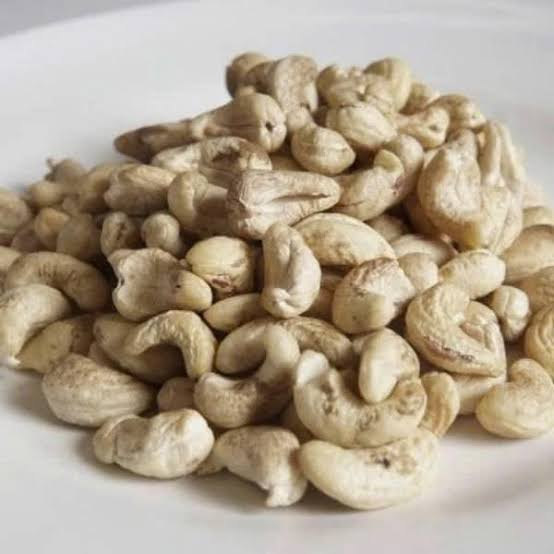
1. What Does WW240 Mean?
WW240 refers to Whole White cashew kernels in the 240 commercial size category. The designation describes the product’s physical grade rather than its origin, variety or complete quality profile.
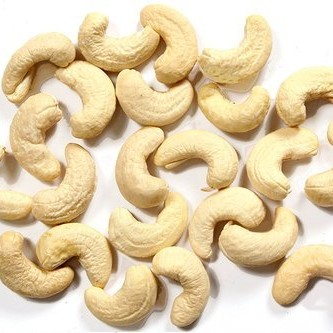
According to the Association of Food Industries (AFI) cashew kernel specifications, the 240 size category corresponds to approximately:
- 220–240 kernels per pound
- 485–530 kernels per kilogram
These count ranges provide a reference for evaluating kernel size. The actual appearance of individual kernels may still vary, so buyers should confirm the count range, size tolerance and sampling method specified in the purchase contract.
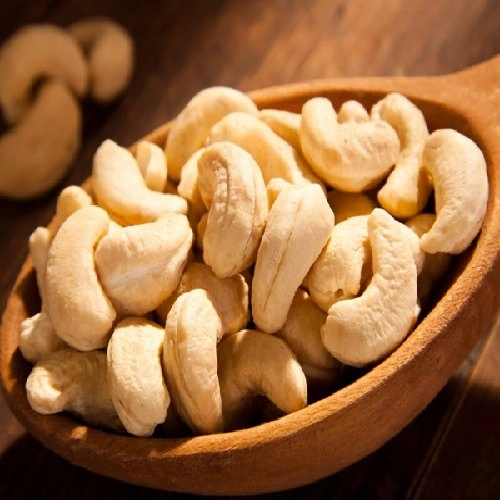
The term whole also has a specific commercial meaning. Under the AFI reference, a kernel is classified as whole when it retains its characteristic cashew shape and no more than one-eighth of the kernel has been broken off.
It is important to distinguish size grading from quality grading. A shipment can meet the WW240 count range but still contain excessive broken kernels, discoloration, scorching or other defects.
Reference: AFI Specifications for Cashew Kernels.
2. Kernel Size: What Should Buyers Inspect?
Size consistency affects the appearance, portioning and commercial suitability of WW240 cashews. It is particularly important for products sold as premium whole kernels in transparent packaging or retail containers.
During inspection, buyers should check:
Kernel count: Verify that the sample meets the agreed WW240 count range.
Size distribution: Check whether the lot contains an excessive proportion of kernels from a smaller size category.
Visual uniformity: Assess whether kernel sizes are reasonably consistent throughout the sample.
Sampling consistency: Take representative samples from the lot rather than relying on a few carefully selected kernels or supplier photographs.
A supplier’s grade declaration should be supported by a documented specification and representative sample. If a buyer requires tighter size uniformity than the standard commercial reference, the additional tolerance should be agreed before shipment.
3. Broken Kernels: A Key Quality-Control Check

Broken kernels can reduce the proportion of saleable whole nuts and affect the appearance of retail packs. They may also create additional sorting requirements for manufacturers whose products depend on consistent kernel presentation.
During inspection, buyers should distinguish between:
- Whole kernels: Kernels that meet the agreed whole-kernel definition.
- Splits: Kernels divided lengthwise into two halves.
- Butts: Kernels broken crosswise while the cotyledons remain naturally attached.
- Pieces: Smaller fragments that no longer qualify as whole kernels.
The AFI reference specifies that broken kernels or pieces present in whole-kernel grades should not exceed 10% by weight. However, this should not be interpreted as a universal acceptance limit for every WW240 contract or destination market. Some buyers require stricter limits, and other applicable standards may differ.
For this reason, the contract should clearly state the maximum broken-kernel percentage, the inspection method and whether the limit is calculated by weight.
A practical inspection should include sorting a representative sample into whole kernels, splits, butts and pieces, then recording the weight of each category. This provides a more objective basis for comparing supplier offers and checking shipment conformity.
4. Common WW240 Cashew Defects to Look For
Kernel size and breakage are only part of the assessment. Buyers should also inspect appearance, odor and physical condition.
Serious quality defects
These defects can indicate compromised product quality or potential food-safety concerns:
- Mold: Visible fungal growth or suspicious mold-related discoloration.
- Rancidity: A stale, oxidized or otherwise abnormal odor or flavor.
- Insect damage: Kernels damaged by insects or showing signs of infestation.
- Decay: Deteriorated kernels with abnormal appearance or odor.
- Foreign matter: Shell fragments or other unwanted materials.
These findings should be assessed carefully. Mold, rancidity, decay and infestation should not be treated as merely cosmetic defects.
Appearance and processing defects
Other defects may affect the commercial grade, color uniformity or consumer appeal:
- Scorching: Darkened areas associated with excessive heat during processing.
- Blemishes and discoloration: Brown or dark spots, speckles and uneven kernel color.
- Shriveled or immature kernels: Kernels with underdeveloped or visibly wrinkled structures.
- Adhering testa: Skin remaining attached to the kernel.
- Scrapes and knife damage: Surface damage caused during processing.
- Pitted spots: Visible pits or dark marks on the kernel surface.
The permitted level of each defect depends on the applicable quality category and agreed specification. AFI provides separate tolerances for different grades, so buyers should not apply a single generic defect limit to every WW240 shipment.
Reference: AFI Specifications for Cashew Kernels.
5. WW240 Quality Inspection Checklist
Before approving a bulk shipment, buyers can use the following checklist to structure their inspection.
| Inspection parameter | What to verify |
|---|---|
| Size and count | Compliance with the contracted WW240 count range |
| Size tolerance | Permitted proportion of kernels outside the target size category |
| Whole-kernel integrity | Percentage of whole kernels, splits, butts and pieces |
| Broken kernels | Weight-based result against the agreed limit |
| Color and appearance | Uniformity and permitted discoloration or processing marks |
| Serious defects | Mold, rancidity, decay, insect damage and foreign matter |
| Moisture content | Compliance with the contracted moisture limit |
| Odor and freshness | Natural cashew aroma without abnormal or rancid odors |
| Packaging | Clean, dry, intact and suitable for protecting kernels during transit |
| Documentation | Product specification, inspection results and required export documents |
The AFI reference specifies a moisture range of 3%–5% under its applicable method for cashew kernels. Buyers should confirm the required limit and testing method in their own purchase specifications. Destination-market regulations and contractual requirements may impose additional conditions.
6. How to Reduce Quality Disputes When Importing WW240
A clear purchase specification is one of the most effective ways to reduce disagreements between buyers and suppliers.
Before placing an order, buyers should:
- Request a detailed specification. Confirm kernel count, moisture, broken-kernel tolerance, defect limits and packaging.
- Approve a representative sample. Assess size, whole-kernel integrity, color, odor and visible defects.
- Define inspection procedures. Agree on sampling, test methods, acceptance criteria and the handling of non-conforming goods.
- Conduct pre-shipment inspection where appropriate. Verify that the packed shipment conforms to the approved specification.
- Retain reference samples and inspection records. These can support quality comparison and dispute resolution if the delivered goods differ from the agreed requirements.
Photographs are useful for preliminary evaluation, but they cannot reliably establish kernel count, moisture content or the exact proportion of broken kernels and defects. Physical sampling and documented inspection provide a stronger basis for acceptance.
7. Sourcing Vietnamese Cashew WW240 from Nam Son
For international buyers, selecting a WW240 supplier involves more than comparing prices. The agreed size range, kernel integrity, defect tolerance, moisture content and packaging all contribute to the suitability of a shipment for its intended market.
Nam Son supplies Vietnamese agricultural products to international B2B customers. Buyers interested in cashew WW240 can contact our team to discuss product specifications, samples, quality requirements and export quotations.
Whether the intended application is retail packing, snack production or food manufacturing, a clearly defined specification helps align product quality with commercial requirements.
Looking for Vietnamese Cashew WW240? Contact Nam Son to discuss your required size, quality parameters, packaging and bulk supply needs.
