


 Tiếng Việt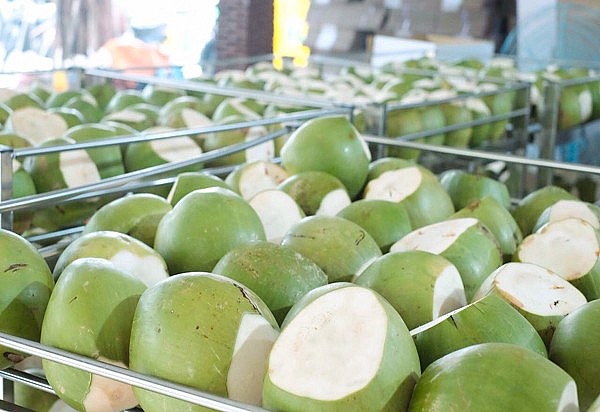
1. Executive Summary
The Vietnamese coconut industry is experiencing unprecedented growth, with total export turnover surpassing the USD 1 billion milestone and projected to reach USD 1.15-1.2 billion by the end of 2025 . Vietnam, currently the 5th largest coconut producer globally with over 200,000 hectares of cultivation area, has established itself as a premier supplier of high-quality coconut products .
This report provides a comprehensive B2B analysis of the Vietnamese desiccated coconut market, focusing on technical specifications, international quality standards, and strategic opportunities for both exporters and importers in the 2025-2026 period.
2. Technical Specifications for B2B Trade
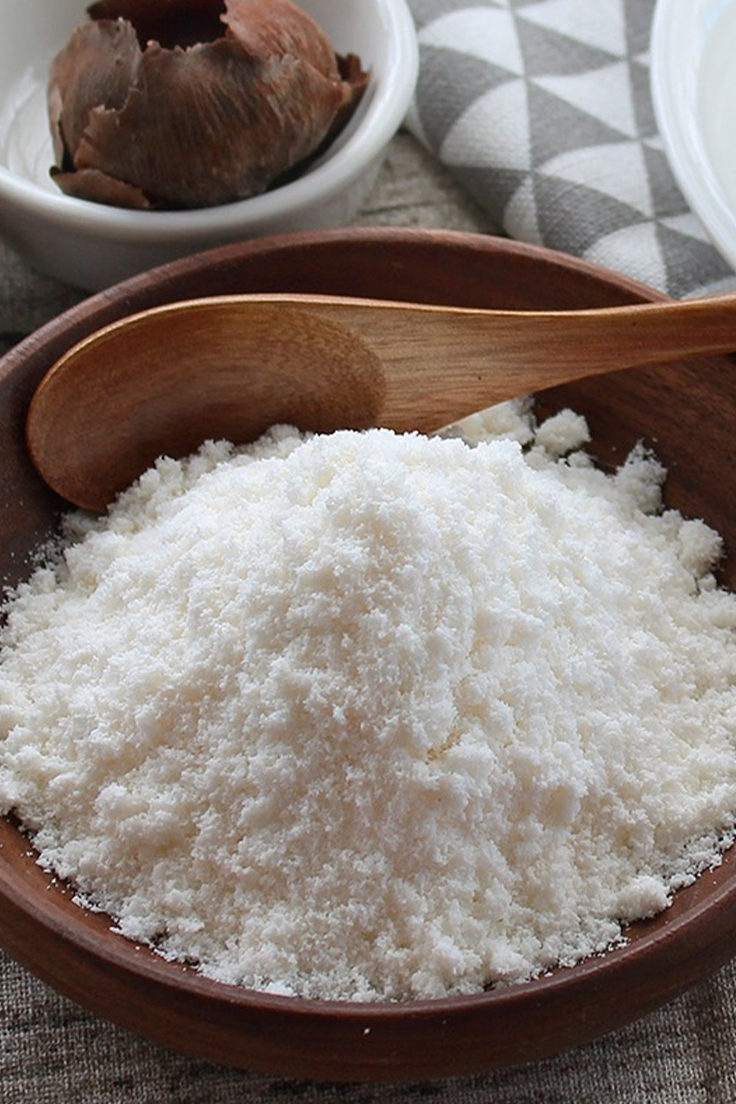
In the international B2B market, desiccated coconut is strictly categorized based on fat content and particle size (granulometry). Vietnamese suppliers typically offer products that meet or exceed international standards, ensuring suitability for diverse industrial applications.
2.1. Fat Content Classifications
Desiccated coconut is primarily classified into three categories based on its fat (oil) content, which directly impacts flavor, texture, and application :
|
Classification
|
Fat Content
|
Primary Applications
|
|
High Fat
|
Minimum 62%
|
Premium bakery, confectionery, chocolate coating, oil extraction
|
|
Medium Fat
|
Minimum 45%
|
General bakery, cooking, snack bars
|
|
Low Fat
|
Minimum 25%
|
Low-calorie snacks, dietary products, animal feed
|
2.2. Particle Size (Granulometry) Specifications
For High Fat Desiccated Coconut, the particle size is a critical specification for buyers. Vietnamese processors offer multiple cut types to suit different manufacturing needs :
•Fine Grade: Finely shredded coconut meat. It is perfect for fillings, beverages, smooth-textured desserts, and as an ingredient in biscuits and cookies.
•Medium Grade: Slightly larger shreds compared to the fine grade. It is widely used in baked goods, snack bars, cereals, and traditional desserts.
•Flakes/Chips: Larger, distinct pieces of dried coconut. These are ideal for premium garnishing, artisanal food presentations, trail mixes, and granola.
2.3. Standard Quality Parameters
Regardless of the grade, premium Vietnamese desiccated coconut adheres to strict physical and chemical parameters to ensure food safety and shelf stability :
•Moisture Content: Maximum 3% (crucial for preventing microbial growth and extending shelf life).
•Color: Natural milky white, free from yellowing or discoloration.
•Flavor and Aroma: Mild, sweet, and characteristic of fresh coconut, free from rancid or off-odors.
•Sulphur Dioxide (SO2): Often used as a preservative to prevent yellowing. Standard specifications require SO2 levels to be either free (0 ppm) or strictly controlled (e.g., 50 ppm or maximum 100 ppm), depending on buyer requirements and destination market regulations.
3. International Import Requirements and Certifications
To successfully penetrate global markets, particularly stringent ones like the European Union (EU) and the United States, Vietnamese exporters must comply with rigorous food safety and quality standards.
3.1. Food Safety and Quality Certifications
Global B2B buyers prioritize reliability and safety. Processing facilities in Vietnam increasingly adhere to international standards :
•HACCP (Hazard Analysis and Critical Control Points): Fundamental for identifying and managing food safety risks.
•ISO 22000 / FSSC 22000: Comprehensive food safety management systems highly regarded by European and American importers.
•Halal and Kosher: Essential certifications for accessing markets in the Middle East and catering to specific dietary requirements globally.
•Organic Certification: With the rising demand for organic products, certifications (e.g., USDA Organic, EU Organic) are highly sought after and command premium pricing.
3.2. Contaminant Control (EU Market Focus)
The European Union is the world’s largest importer of desiccated coconut and enforces strict regulations :
•Microbiological Contaminants: Complete absence of Salmonella is mandatory. Other microorganisms (e.g., E. coli) must be within strict limits.
•Pesticide Residues: Must comply with the EU’s Maximum Residue Levels (MRLs). While excessive pesticides in the edible coconut meat are uncommon, detailed testing is frequently requested.
•Sulphites: If sodium metabisulphite is used during processing, the maximum sulphur dioxide content must be below 50 mg/kg for the EU market. Organic products must be entirely free of preservatives.
•Aflatoxins and Heavy Metals: Strict maximum levels are enforced for aflatoxins, lead, cadmium, and mercury.
3.3. Packaging and Shelf Life
Proper packaging is vital to maintain the low moisture content and prevent contamination :
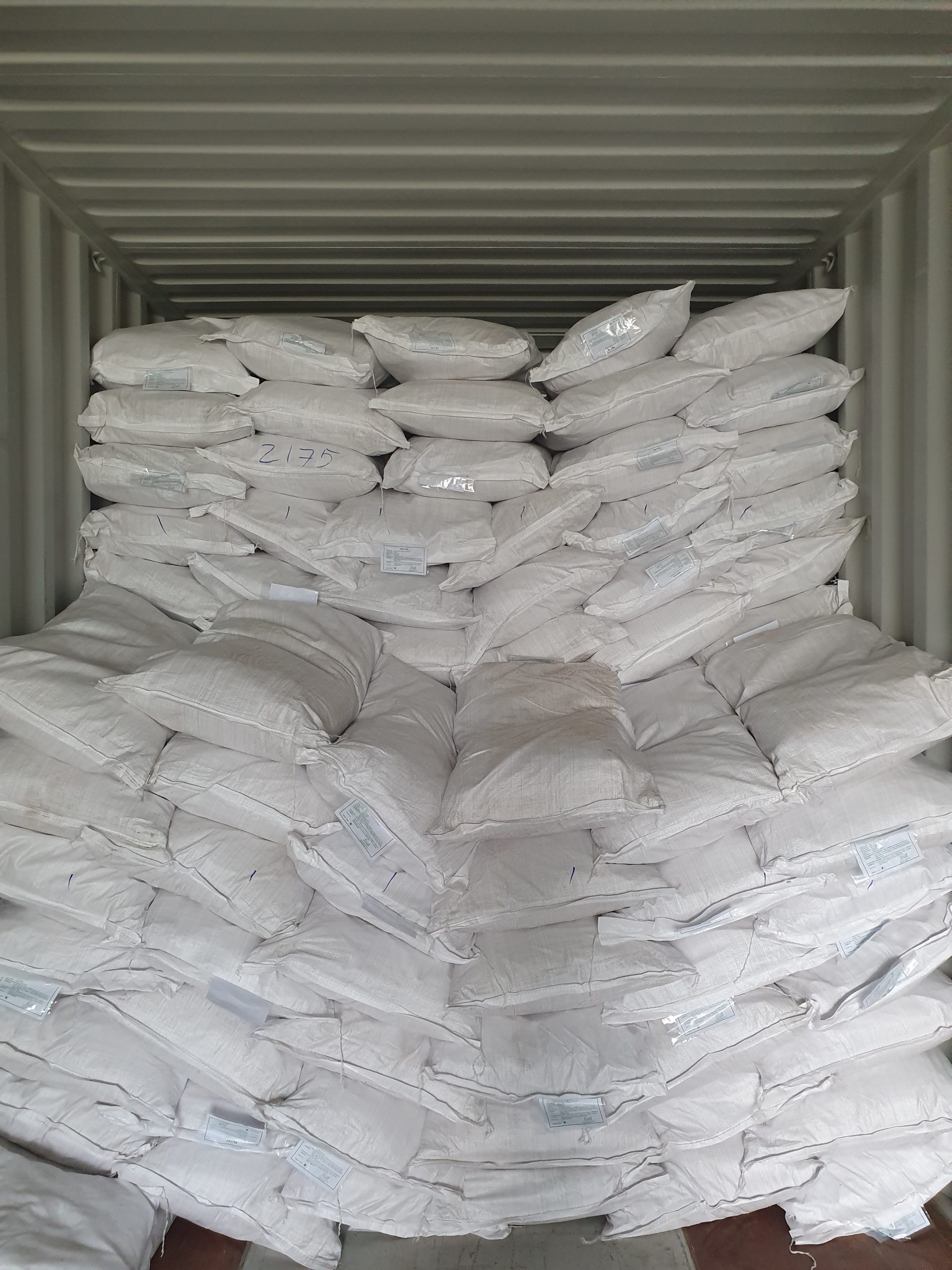
•Bulk Packaging: Typically packed in multi-ply kraft paper bags with an inner polyethylene (PE) liner. Standard sizes are 25 kg, though 10 kg and 50 kg options are available.
•Storage: Must be stored in a clean, cool, and dry place (ideally below 26°C) away from direct sunlight.
•Shelf Life: Under optimal conditions, sulphite-treated desiccated coconut has a shelf life of 12 months, while organic (preservative-free) products typically have a shelf life of 9 months.

4. Market Dynamics and Pricing Trends (2025-2026)
4.1. Global Price Escalation
The global coconut market has experienced significant price volatility. In 2024 and early 2025, prices for desiccated coconut surged due to a combination of reduced raw material supply (impacted by weather conditions like drought and salinity intrusion) and robust global demand .
For instance, FOB prices from major competitors like Indonesia spiked from USD 1,400-1,700/MT in 2023 to USD 3,400-4,300/MT in mid-2025, before stabilizing around USD 2,800/MT by late 2025 . Vietnamese prices have mirrored this trend, with raw coconut prices reaching historic highs .
4.2. Strategic Opportunities for Importers
Despite higher baseline prices, Vietnam offers distinct advantages for global B2B buyers:
•Superior Organoleptic Qualities: Vietnamese coconuts are primarily natural, non-GMO varieties known for their exceptional aroma and natural sweetness, highly favored by the US and Chinese markets .
•Supply Chain Resilience: By establishing long-term contracts with certified Vietnamese suppliers, importers can secure stable volumes and mitigate the risks associated with spot market volatility.
•Diversification: Vietnam offers a wide array of coconut products beyond desiccated coconut, including coconut water, coconut milk powder, and virgin coconut oil, allowing importers to consolidate sourcing.
4.3. Strategic Opportunities for Exporters
•Value Addition: Shifting focus from raw exports to deep processing (e.g., high-fat desiccated coconut, organic products) significantly increases profit margins.
•Market Expansion: The recent official approval for exporting fresh coconuts to China (August 2024) has opened a massive market, creating a “domino effect” that boosts the overall profile of Vietnamese coconut products globally .
•Compliance as a Competitive Edge: Exporters who invest in traceability, sustainable farming practices, and top-tier certifications (FSSC 22000, Organic) will capture the most lucrative segments of the EU and US markets.
5. Conclusion
The Vietnamese desiccated coconut market is transitioning from a volume-driven model to a quality and compliance-driven industry. For B2B importers, Vietnam represents a reliable source of premium, high-fat desiccated coconut that meets stringent international specifications. For exporters, the path to sustained profitability lies in adhering to global food safety standards, optimizing processing technologies, and building transparent, traceable supply chains.
