


 English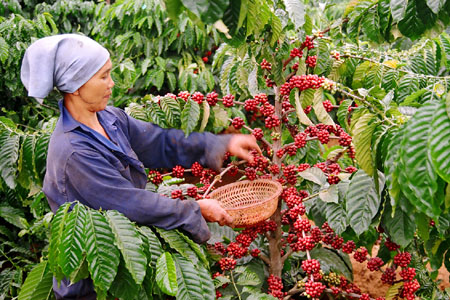
For international coffee buyers planning to source Vietnamese Arabica, understanding the harvest season and harvesting practices is important when preparing for a new crop.
Vietnamese Arabica is mainly cultivated in highland areas such as Son La and Lam Dong, where altitude, climate and growing conditions contribute to differences in harvest timing and cup characteristics.
When Is Arabica Coffee Harvested in Vietnam?
Vietnamese Arabica is generally harvested toward the end of the year, although the exact timing varies by growing region, altitude, variety and weather conditions.
In Son La, one of Vietnam’s important Arabica-producing areas, the main harvest period typically falls around October–December. In Lam Dong and other highland areas, harvesting can also extend through the final months of the year.
For buyers, this means the period before and during the new crop is an important time to discuss:
- Expected crop volume
- Harvest timing
- Processing method
- Screen size
- Quality specifications
- Sample approval
- Shipment schedule
How Is Arabica Harvesting Different from Robusta?
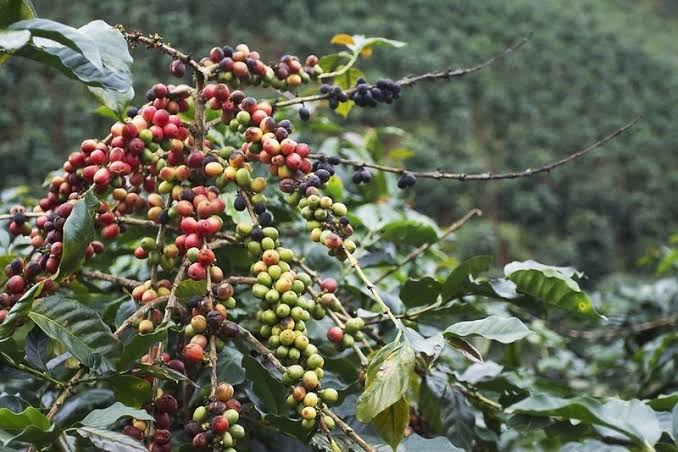
One important difference is the approach to cherry selection.
For higher-quality Arabica production, farmers commonly focus on harvesting cherries at an appropriate stage of ripeness. Selective picking can help reduce the amount of unripe or overripe cherries entering the processing stage.
Robusta production in Vietnam has traditionally relied more heavily on stripping, where a larger number of cherries are removed from the branches at the same time. However, harvesting practices vary between farms and producing regions, and improved harvesting and post-harvest practices are increasingly being adopted.
This difference matters because the quality of the cherries entering processing can influence the consistency of the resulting green coffee.
What Should Buyers Check When Purchasing New-Crop Arabica?
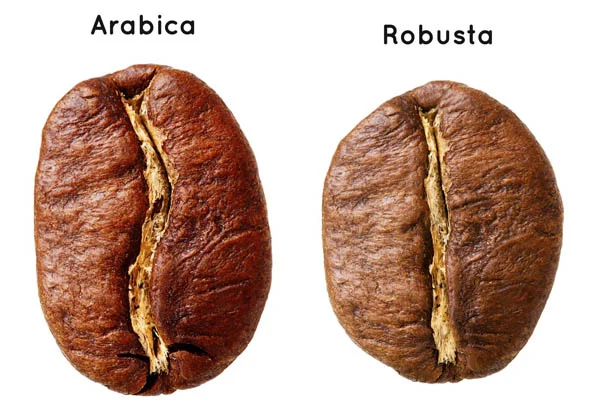
For B2B buyers, screen size alone should never be the only quality criterion.
When evaluating Vietnamese Arabica, buyers should clearly define:
Origin
- Son La
- Lam Dong
- Specific growing area where traceability is required
Screen Size
- S18
- S16
- S14
- Other customized specifications
Moisture
- Buyer-defined moisture specification
Defects
- Black beans
- Sour beans
- Broken beans
- Insect-damaged beans
- Foreign matter
Processing
- Washed
- Natural
- Honey
- Other agreed processing methods
Cup Quality
- Acidity
- Body
- Sweetness
- Aroma
- Aftertaste
- Overall cup profile
Traceability
- Origin
- Crop year
- Processing information
- Lot identification
For new-crop purchases, buyers should also request a representative pre-shipment sample and make sure the approved specification corresponds to the actual commercial lot.
New Crop Planning Starts Before Harvest
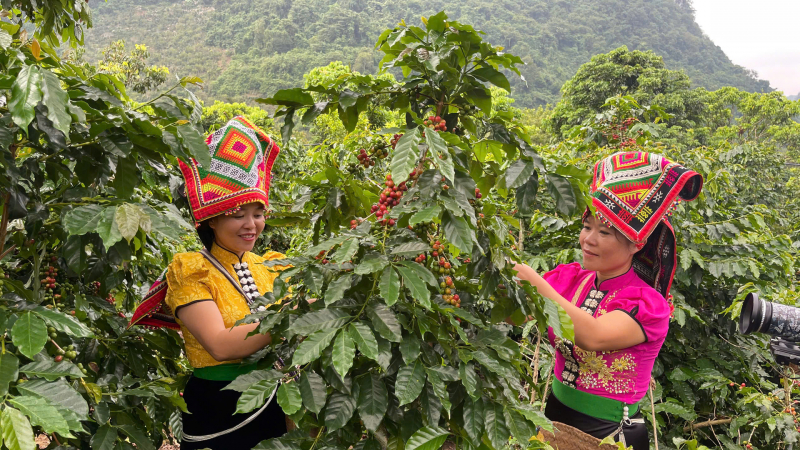
For importers, roasters and coffee traders, waiting until the crop is fully harvested before discussing requirements can make sourcing less flexible.
Early communication allows both buyer and supplier to align on quality specifications, expected volume, processing method, sampling and shipment schedule before the new crop enters the export chain.
🇻🇳 Vietnam Arabica new crop is approaching.
If you are planning to source Vietnam Arabica S16 or S18, now is the time to discuss your requirements with your supplier.
Nam Son Co., Ltd supplies Vietnamese green coffee for international B2B buyers, with specifications tailored to importer, roaster and trading requirements.
📩 Contact us for Vietnam Arabica specifications, samples and new-crop supply planning.
