


 Tiếng Việt
As the annual Vietnam Arabica harvest window approaches, international coffee importers, commercial roasters, and green coffee buyers are finalizing their supply chain strategies. While Vietnam is globally recognized as the dominant producer of Robusta, its highland Arabica—grown in micro-climates such as Cau Dat (Lam Dong) and Son La—has firmly established itself as a high-value origin offering vibrant acidity, complex floral aromas, and exceptional cup cleanliness.
For green coffee procurement managers, securing high-grade lots at competitive price points requires early coordination before the peak processing season begins. This guide outlines the key technical specifications, regional characteristics, processing standards, and logistical considerations necessary to optimize your Vietnam Arabica green coffee supply for the upcoming crop year.
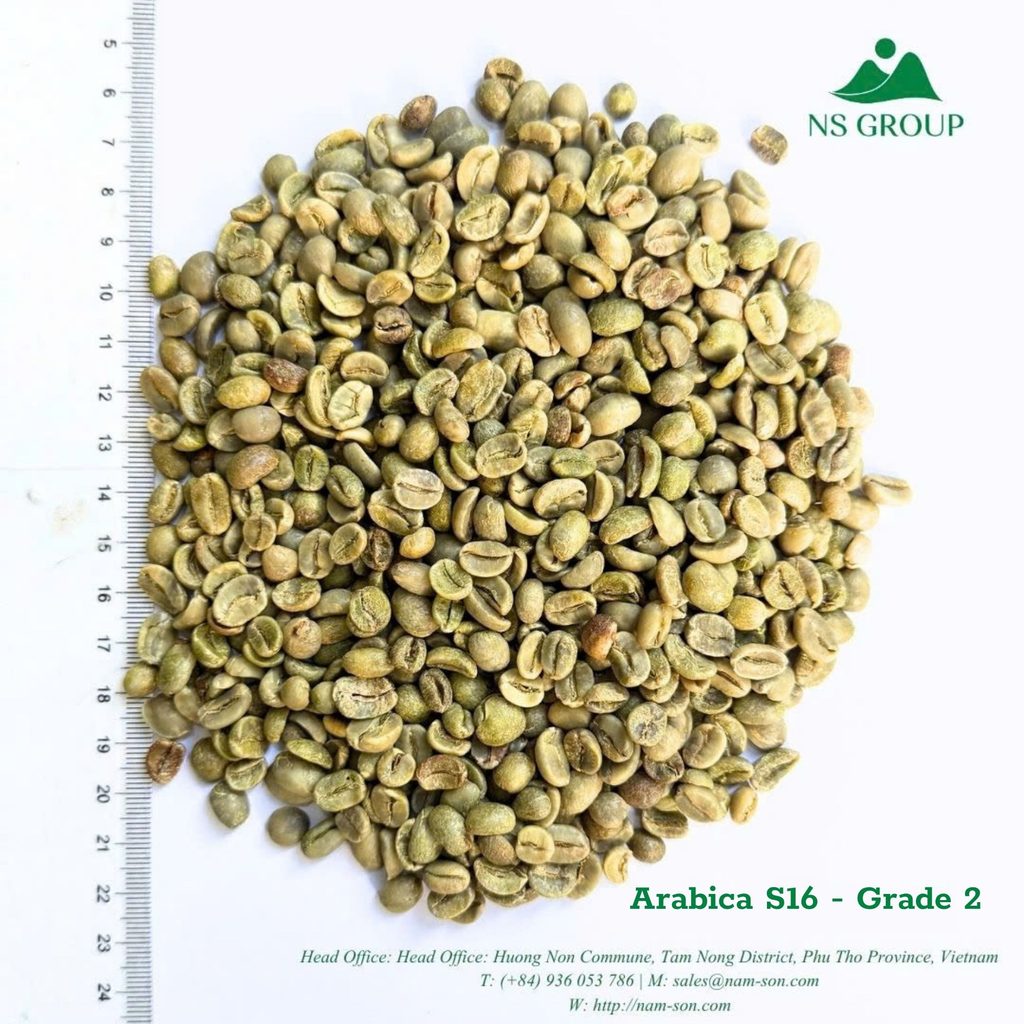
1. Vietnam Arabica Origin Profiles: Key Terroirs to Watch
Understanding the geographic micro-climates of Vietnam’s Arabica-growing regions is essential for aligning bean attributes with your target roast profiles.
Cau Dat (Da Lat, Lam Dong Province)
- Altitude: 1,400 – 1,600 meters above sea level
- Varieties: Catimor, Bourbon, Typica
- Profile: Widely considered the premium origin for Vietnam Arabica. The high elevation and cool, misty climate yield dense beans characterized by bright citric acidity, tea-like floral aromas, caramel sweetness, and a silky body. Highly sought after by specialty roasters and premium espresso blenders.
Son La & Dien Bien (Northwestern Highlands)
- Altitude: 800 – 1,200 meters above sea level
- Varieties: Catimor
- Profile: Benefiting from rich basaltic soils and distinct seasonal temperature shifts, Northwestern Arabica delivers a balanced cup with mild acidity, pronounced herbal and nutty notes, a dark chocolate finish, and solid body consistency—ideal for medium-to-dark commercial blends.
2. Technical Specifications: Setting Quality Benchmarks
To avoid supply chain discrepancies and maintain batch-to-batch consistency, green coffee contracts must define precise physical parameters. At Nam Son Co., Ltd., we work strictly against customer specification sheets across the following parameters:
+------------------------+------------------------------------+------------------------------------+
| Physical Parameter    | Standard Commercial Grade          | Premium Specialty Grade            |
+------------------------+------------------------------------+------------------------------------+
| Screen Retention       | Min 90% above Screen 16 (6.3mm)    | Min 90% above Screen 18 (7.1mm)    |
| Moisture Content       | Max 12.5%                          | 10.5% - 11.5%                      |
| Foreign Matter         | Max 0.2% - 0.5%                    | Max 0.1% / Zero tolerance          |
| Black & Broken Beans   | Max 1.0% - 2.0%                    | Max 0.2%                           |
| Admixture / Defects    | According to ICO standards         | According to SCA defect limits     |
| Density                | High density (Highland grown)      | Strictly High Grown (SHG)          |
+------------------------+------------------------------------+------------------------------------+
3. Processing Methodologies & Flavor Profiles
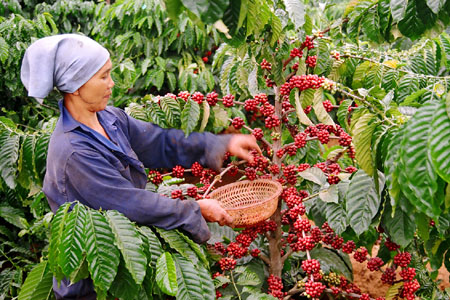
Selecting the right processing method directly influences roast yield, moisture retention during transport, and cup performance.
Fully Washed (Wet Process)
- Execution: Cherries are pulped, fermented in clean water channels to remove mucilage, thoroughly washed, and patio or mechanically dried.
- Cupping Characteristics: Clean cup, crisp acidity, lemon-citrus notes, clear finish, and low defect risk.
- Best For: Single-origin offerings, light-to-medium roast profiles, and high-end filter applications.
Natural (Dry Process)
- Execution: Whole coffee cherries are dried directly under sun control on raised beds or patios, allowing natural fruit sugars to penetrate the parchment.
- Cupping Characteristics: Enhanced sweetness, heavy body, complex stone-fruit and berry aromas, with lower perceived acidity.
- Best For: Espresso blends seeking body and fruit complexity.
Honey / Pulp Natural Process
- Execution: Partial removal of mucilage before drying, retaining controlled sweetness levels while maintaining process control.
- Cupping Characteristics: Balanced acidity, rounded sweetness, and medium-to-full body.
4. Packaging, Storage & Export Logistics
Maintaining green coffee stability during transoceanic shipping requires strict atmospheric controls to prevent mold formation, age-related fading, or moisture absorption.
Packaging Options
- Standard Jute Bags (60 kg / 69 kg): Traditional natural fiber bags suitable for rapid turnover or dry-warehouse storage.
- Hermetic Inner Liners (GrainPro / Ecotact): Highly recommended for long-distance transit. Prevents oxygen ingress and maintains internal moisture equilibrium between 11% and 12%.
- Bulk Container Bags (Big Bags / Jumbo Bags): Cost-effective solution for high-volume commercial industrial roasters using automated unloading systems.
Shipping & Incoterms
- Incoterms Offered: FOB Ho Chi Minh Port (Cat Lai), CIF, or CFR to any global destination port.
- Container Load Factor:
- 20ft FCL (Jute Bags): Approx. 18.0 to 19.2 Metric Tons (300–320 bags)
- 20ft FCL (With Hermetic Inner Bags): Approx. 18.0 Metric Tons
5. Why Partner with Nam Son Co., Ltd. for Your Coffee Sourcing?
Navigating origin risks requires a partner with deep root connections at the farm level combined with professional export execution. Nam Son Co., Ltd. operates as a direct manufacturer and exporter of Vietnamese agricultural products, bridging the gap between local farming cooperatives and international buyers.
- Direct Sourcing & Farm Gate Control: We work directly with farmers in Cau Dat and Northwestern regions to ensure cherry selection standards are met at harvesting.
- Strict Quality Control (QC): Every batch undergoes pre-shipment sampling (PSS), moisture testing, screen grading, and cupping verification by our in-house QC specialists.
- Custom Processing & Private Labeling: Capability to process against custom screen ratios, defect tolerances, and customer-branded bag designs.
- Reliable Supply Capacity: Long-term contractual reliability ensuring timely container loading even during peak shipping cycles.
Secure Your New-Crop Vietnam Arabica Allocation Today
As the harvest season approaches, securing your allocations early guarantees access to top-tier screen sizes and favorable processing timelines before market tightening.
Whether you require spot container deliveries or multi-shipment contracts across the crop year, Nam Son Co., Ltd. is prepared to support your purchasing strategy.
Request a Quotation & Pre-Shipment Sample (PSS)
To receive a formal quotation or request a sample lot, please submit your inquiry with the following details:
- Target Specification: (e.g., Arabica Cau Dat Screen 18 Fully Washed)
- Required Quantity: (Metric Tons / Number of 20ft FCLs)
- Packaging Preference: (Jute bag only / Jute + GrainPro)
- Destination Port & Preferred Delivery Window:
