


 Tiếng Việt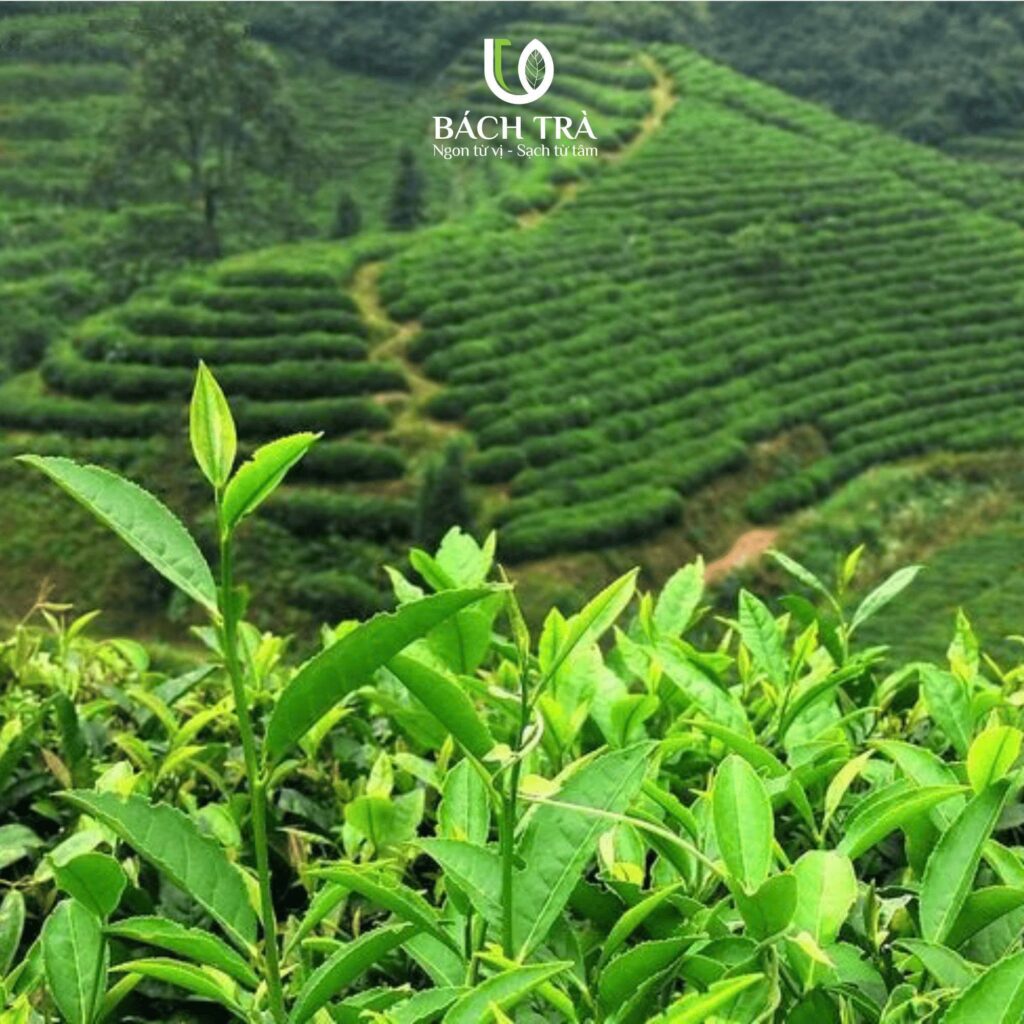
Green tea is one of the most widely traded tea categories globally, valued for its natural processing, fresh flavor profile, and strong demand across retail, foodservice, and industrial applications.
For B2B buyers, understanding green tea classification and specifications is essential for:
- selecting the right grade for application
- ensuring consistent quality
- optimizing cost vs. performance
Vietnam has emerged as a competitive green tea supplier, offering diverse grades suitable for both bulk and value-added markets.
? Vietnam in the Global Green Tea Supply Chain
Vietnam ranks among the top tea-producing countries, supplying green tea to:
- Middle East
- Asia (Pakistan, Taiwan, China blending)
- EU markets
- Russia & CIS
Key advantage:
- competitive pricing vs Japan/China
- stable bulk supply
- flexible OEM production
? Suitable for large-volume buyers & private label brands
? 1. Main Green Tea Classifications (Industry Standard)
Green tea in B2B trade is classified based on:
- leaf size
- processing method
- particle grade
? A. By Leaf Grade (Orthodox Green Tea)
1. Whole Leaf Grades
| Grade | Description | Application |
|---|---|---|
| OP (Orange Pekoe) | Long, twisted leaf | Premium loose tea |
| FOP | Finer young leaves | High-end retail |
| Pekoe | Shorter leaf | Blending |
? Higher value – better appearance – slower infusion
2. Broken Leaf Grades
| Grade | Description | Application |
|---|---|---|
| BOP | Broken leaves | Tea bags / blending |
| BP | Smaller broken leaf | Mass market |
? Faster brewing – stronger liquor
3. Fannings & Dust
| Grade | Description | Application |
|---|---|---|
| Fannings | Small particles | Tea bags |
| Dust | Fine powder | Instant tea |
? High extraction efficiency – industrial use
? B. By Processing Style
1. Pan-fired Green Tea (Vietnam/China style)
- roasted aroma
- yellow-green liquor
- slightly nutty
? Popular in:
- Middle East
- Africa
2. Steamed Green Tea (Japanese style)
- grassy flavor
- bright green color
? Less common in Vietnam export
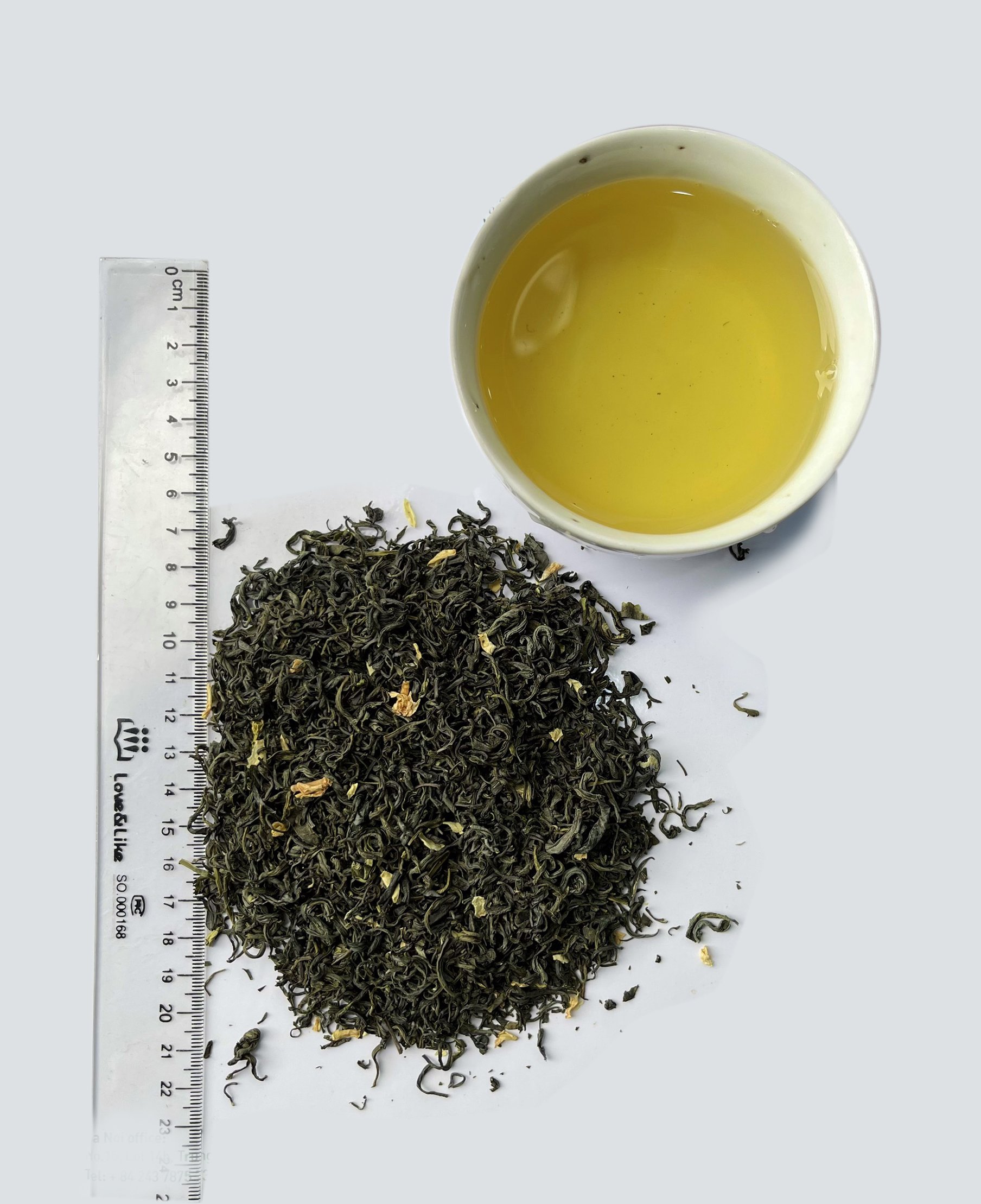
3. Jasmine Green Tea
- scented with jasmine flowers
- used in retail & premium segment
4. Gunpowder Green Tea
Rolled into small pellets.
Key export grade:
- Gunpowder 3505
- Gunpowder 9375
- Gunpowder 9475
? Highly demanded in:
- North Africa
- Middle East
? 2. Technical Specifications (Export Standard)
? General Green Tea Specifications
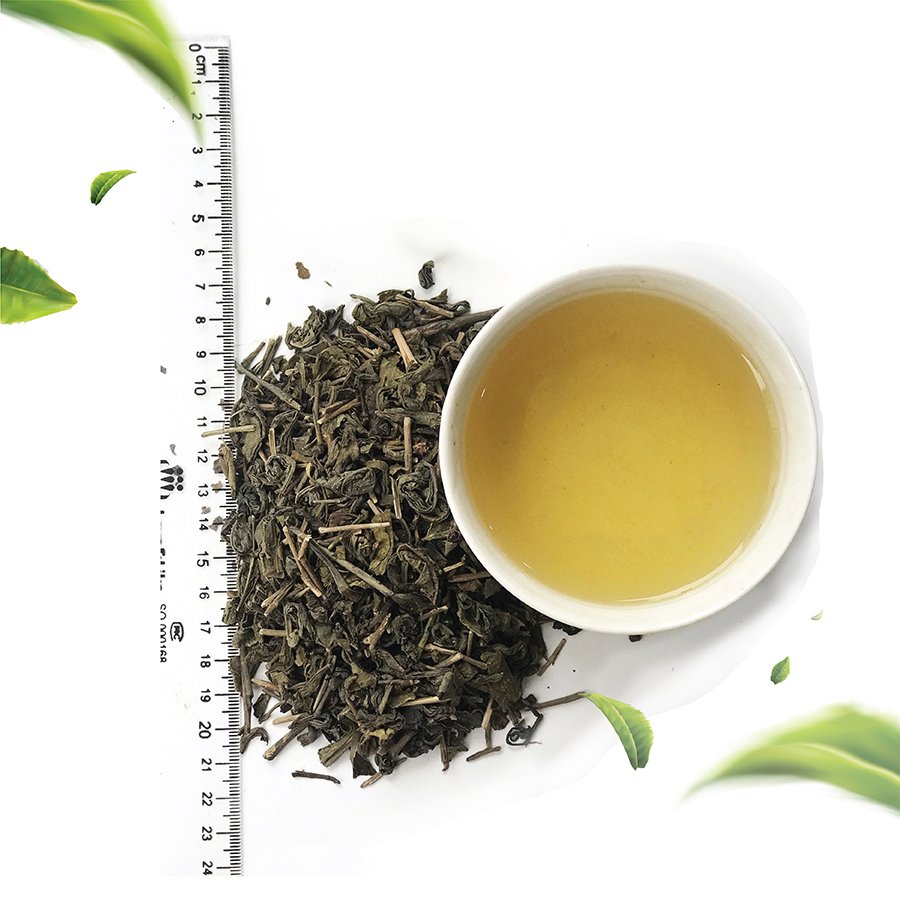
| Parameter | Standard |
|---|---|
| Moisture | ≤ 5.0% |
| Foreign Matter | ≤ 0.5% |
| Fiber | ≤ 0.5% |
| Dust | ≤ 0.5% |
| Color | Natural green |
| Odor | Clean, no off-smell |
? Gunpowder Tea Specifications (Example 3505)
| Parameter | Value |
|---|---|
| Moisture | ≤ 5% |
| Pellet size | Uniform |
| Color | Dark green |
| Liquor | Bright yellow-green |
| Taste | Strong, slightly smoky |
? Fannings/Dust (Tea Bag Grade)
| Parameter | Value |
|---|---|
| Particle size | Fine |
| Extraction rate | High |
| Color liquor | Strong |
| Application | Tea bags / instant |
? Chemical Composition (Typical Range)
| Component | Range |
|---|---|
| Polyphenols | 15–25% |
| Catechins | High |
| Caffeine | 2–4% |
| Ash | ≤ 7% |
? Important for:
- functional tea
- health positioning
? 3. Quality Control in Green Tea Production
Professional exporters apply:
- raw leaf selection
- controlled fixation (kill-green)
- drying to stable moisture
- sorting & grading
- metal detection
- batch testing
Certifications typically include:
- ISO 22000
- HACCP
- (Optional) Organic / Rainforest
? 4. Packaging & Export Options
Common formats:
- 25kg / 50kg PP bags
- Kraft paper bags
- Carton (retail)
- Vacuum packaging
Export conditions:
- container: 20FT / 40HQ
- fumigation required
- dry & clean loading
? 5. Applications by Market
| Market | Preferred Type |
|---|---|
| Middle East | Gunpowder |
| EU | Organic / loose leaf |
| USA | Tea bags / specialty |
| Asia | Blending tea |

? 6. OEM & Private Label Opportunities
Vietnam suppliers support:
- custom blending
- flavor development
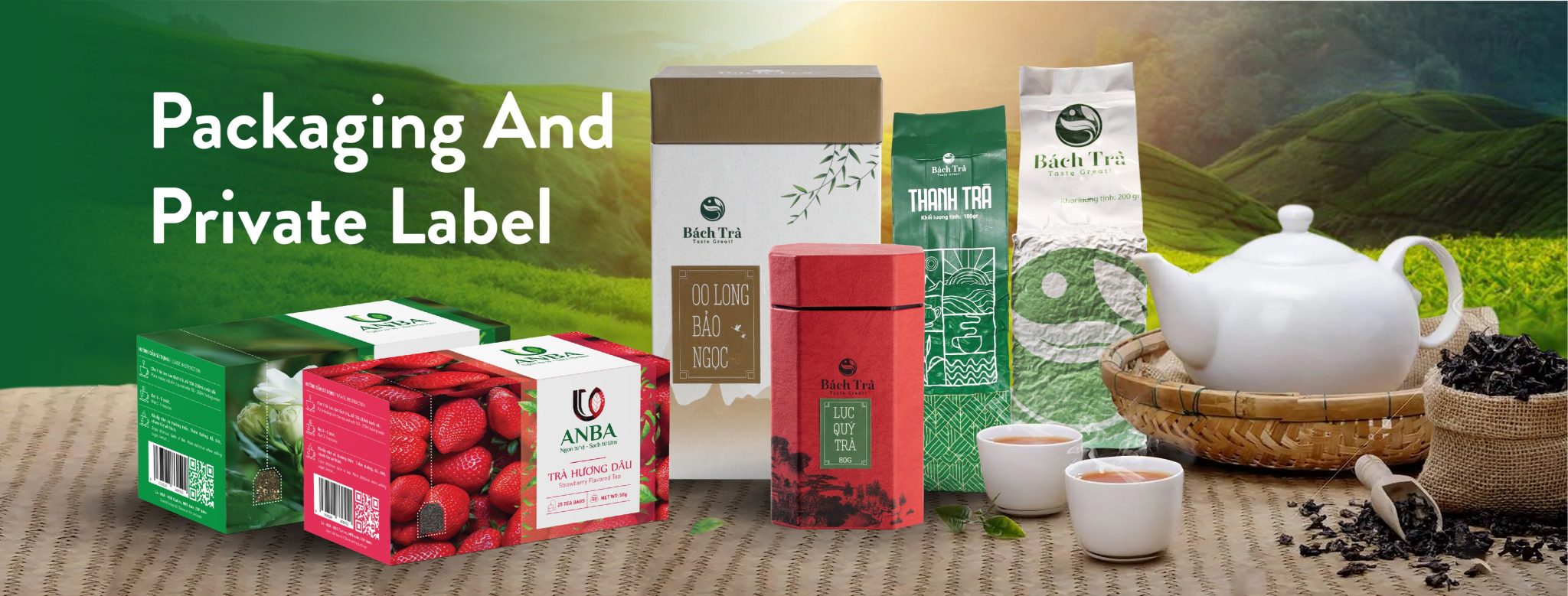
- private label packaging
- retail-ready products
? Ideal for:
- supermarket brands
- tea startups
- distributors
? 7. Why Buyers Choose Vietnam Green Tea
✔ Competitive pricing
✔ Stable bulk supply
✔ Wide grade selection
✔ Flexible customization
✔ Growing quality standards
Conclusion
Understanding green tea classification and specifications is essential for sourcing the right product for your market.
Vietnam offers a strong combination of:
- diversity
- pricing
- scalability
making it an ideal origin for global B2B buyers.
FAQ – Green Tea Grades for B2B Buyers
1. What is the most commonly traded green tea grade?
BOP is the most widely traded due to its balance between cost and brewing performance.
2. Which grade is best for tea bags?
BOP, fannings, and dust are commonly used for tea bags.
3. What moisture level is acceptable for export green tea?
Typically ≤ 5% to ensure stability and prevent mold.
4. Can green tea grades be customized?
Yes, exporters can adjust grading, blending, and packaging based on buyer requirements.
5. Does higher grade always mean better quality?
Not necessarily — it depends on the intended application.
