


 Tiếng Việt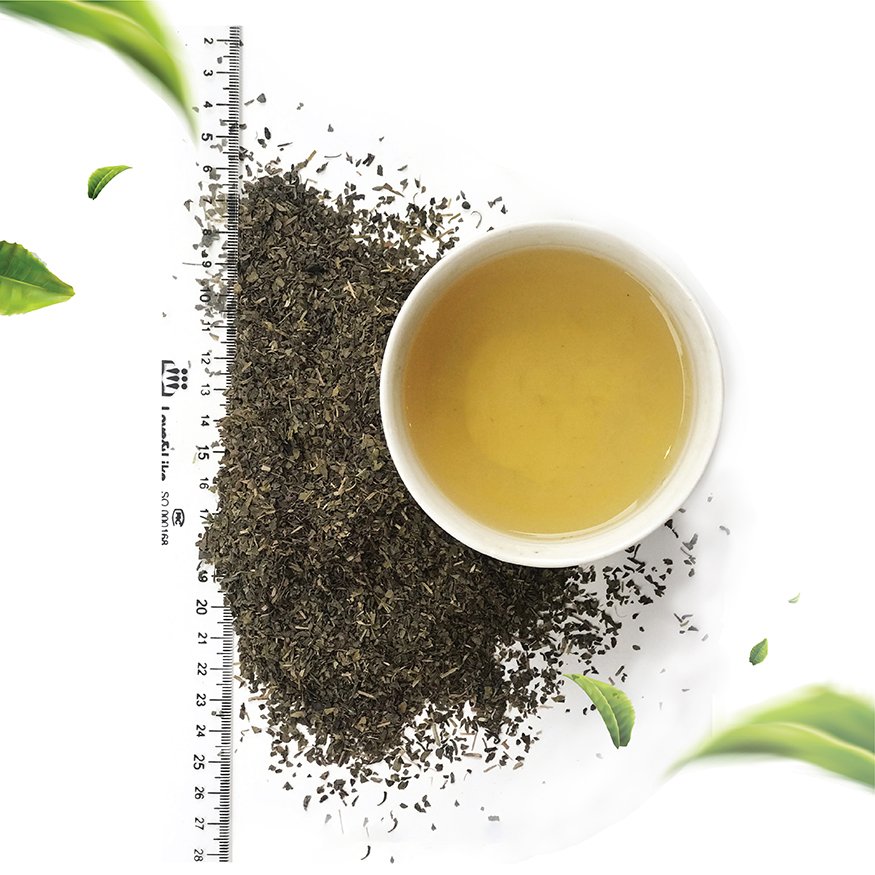
In the international tea trade, Green Tea PS (Pekoe Souchong) is a commonly used commercial grade. However, its exact meaning, technical parameters, and industrial applications are often misunderstood.
This guide provides a technical explanation, export specifications, and B2B usage insights for global tea importers, manufacturers, and private label brands.
? 1. What is Green Tea PS (Pekoe Souchong)?
PS (Pekoe Souchong) is a leaf grade classification in the orthodox tea grading system.
✔️ Technical Definition:
- Leaf Grade: Broken leaf tea
- Position in grading scale:
Whole leaf (OP) → Broken leaf (BOP / PS) → Fannings → Dust
? PS is typically:
- Larger than fannings
- Smaller than OP (Orange Pekoe)
- Irregular broken leaf particles
⚙️ 2. Physical & Sensory Characteristics
? Dry Leaf (Appearance)
- Medium-size broken leaf
- Dark green to olive green color
- Slight twist, non-uniform particles
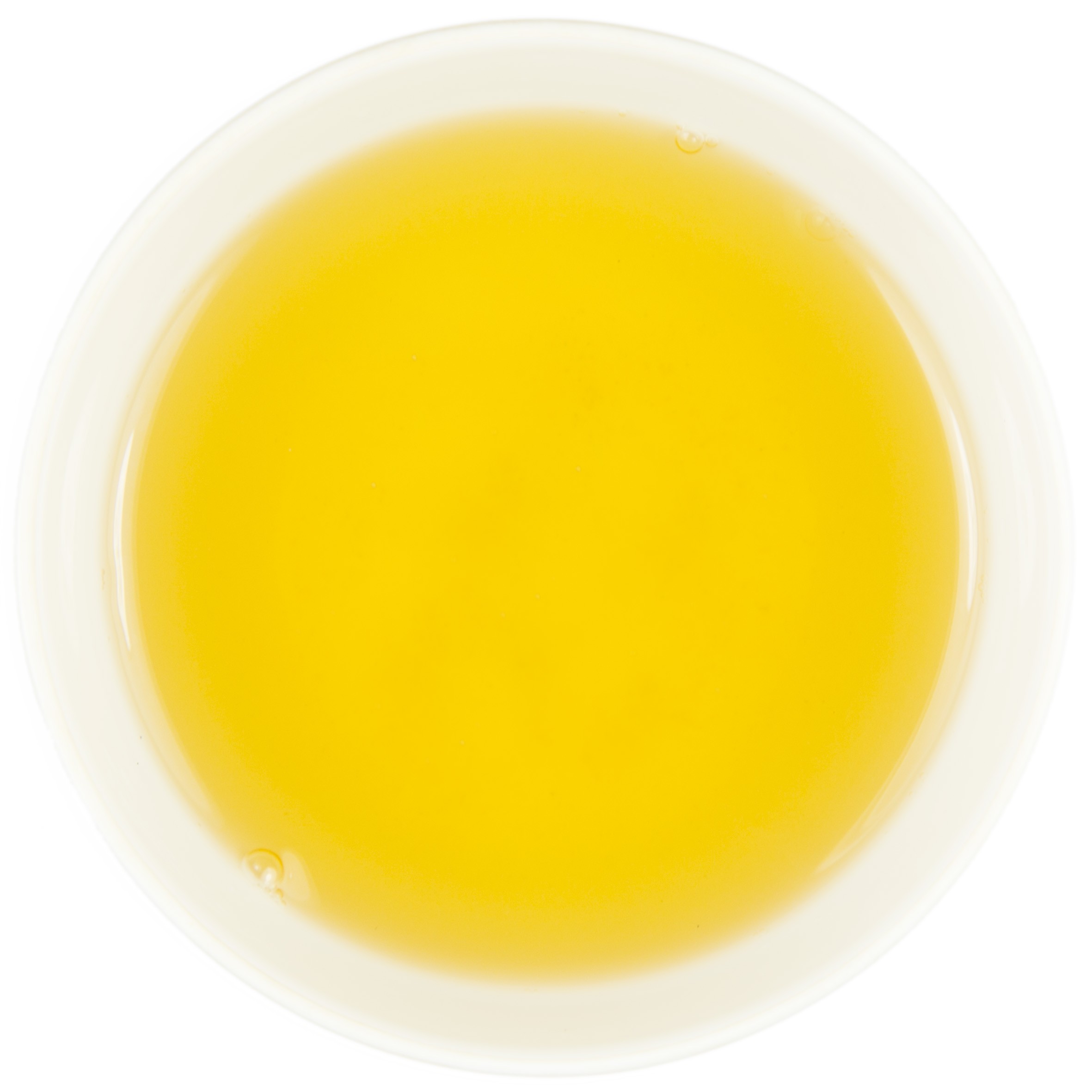
? Liquor (Infusion)
- Color: Yellow-green to light amber
- Aroma: Fresh, grassy, slightly vegetal
- Taste: Mild astringency, medium body
? Faster extraction compared to whole leaf grades

? 3. Standard Export Specifications (Typical Range)
| Parameter | Specification |
|---|---|
| Moisture Content | ≤ 7.0% |
| Foreign Matter (FM) | ≤ 0.5% |
| Broken Ratio | ≥ 85–90% |
| Dust Content | ≤ 5% |
| Color | Natural green |
| Infusion | Clear, no turbidity |
| Mold / Insects | Absent |
| Odor | Free from off-odor |
? Compliant with ISO 3720 (tea standard reference) and general export requirements.
? 4. Processing Method (Orthodox Green Tea)
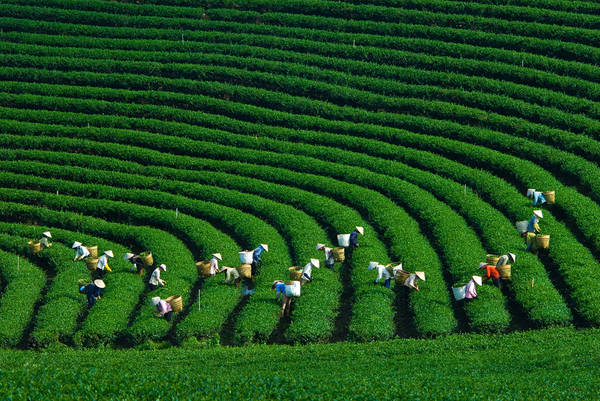
Green Tea PS is produced using orthodox processing, including:
- Plucking – Young tea leaves harvested
- Fixation (Kill-green) – Enzyme deactivation via heat
- Rolling – Leaf shaping and cell breakage
- Drying – Final moisture reduction to ≤7%
- Sorting & Grading – Separation into PS grade
? Final grading determines particle size distribution
? 5. Industrial Applications (B2B Focus)
Green Tea PS is widely used in:
✔️ Tea Bag Production
- Fast infusion
- High extraction efficiency
✔️ RTD (Ready-to-Drink) Tea
- Stable flavor
- Easy large-scale processing
✔️ Blending & Flavoring
- Base tea for jasmine, fruit, herbal blends
✔️ Food & Beverage Manufacturing
- Tea extracts
- Functional drinks
? 6. Why Importers Choose PS Grade
✔ Cost-effective vs whole leaf tea
✔ High extraction yield
✔ Consistent particle size for automation
✔ Stable bulk supply
? Ideal for industrial-scale production
⚠️ 7. Critical Quality Control Factors
Professional buyers evaluate beyond basic specs:
? Microbiological Safety
- Total Plate Count (TPC)
- Yeast & Mold
? Chemical Compliance
- Pesticide residues (EU MRL compliance)
- Heavy metals (Pb, Cd limits)
? Shelf Stability
- Moisture ≤7%
- Water activity (aw) control
? 8. Packaging & Export Logistics
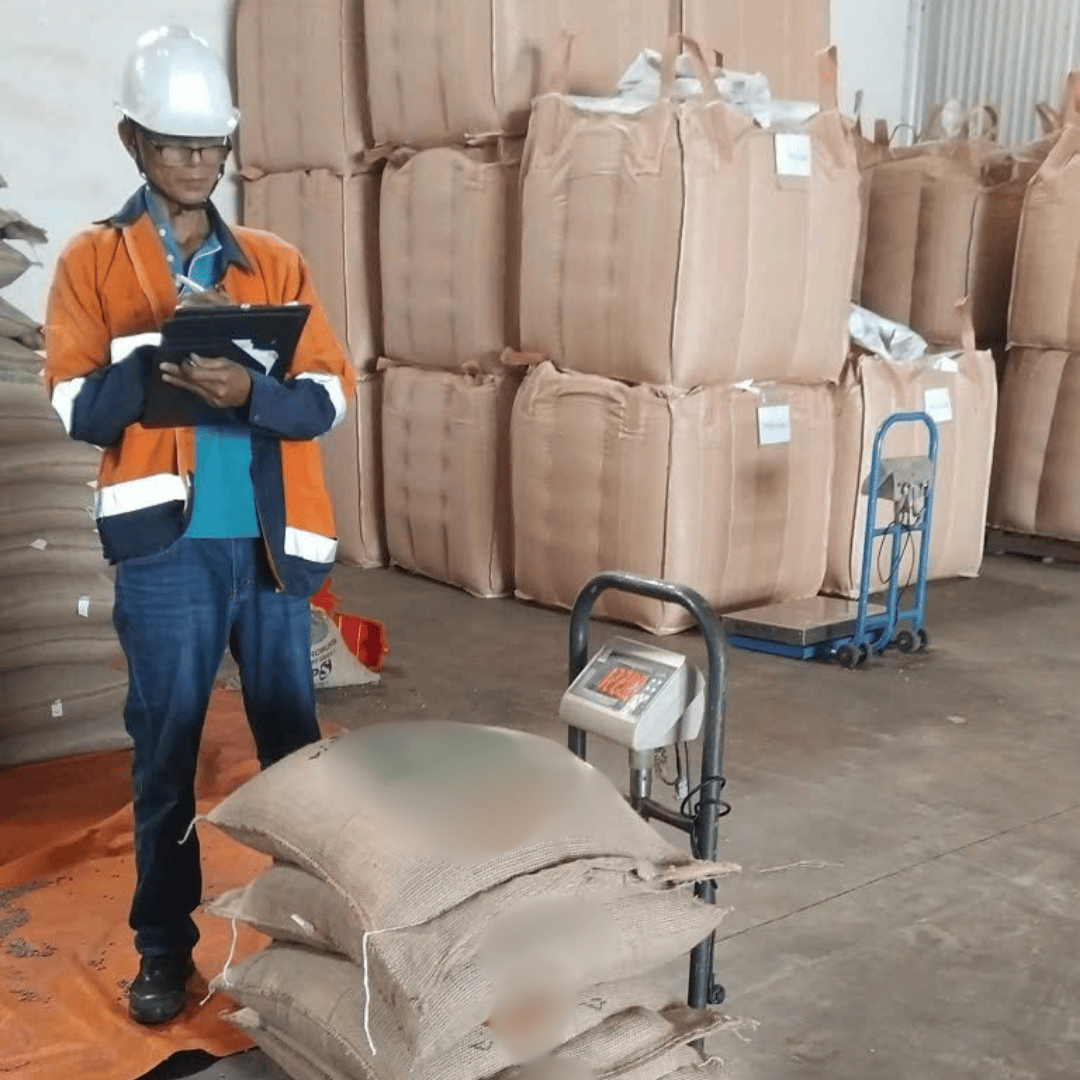
- 25kg / 50kg PP or kraft bags
- Optional: aluminum liner / vacuum packaging
- Container: 20FT / 40FT
- Storage: dry, ventilated, no contamination
? 9. Nam Son Green Tea PS Supply
At Nam Son, we supply Green Tea PS with:
- Stable raw material sourcing in Vietnam
- Consistent grading & particle control
- ISO 22000 / HACCP compliant processing
- Third-party inspection available (SGS, Cafe Control)
- OEM & Private Label support
? Serving importers, tea brands, and beverage manufacturers globally.
? Contact us for full specifications, samples, and quotation.
