


 English
Son La Arabica Coffee S16 Grade 1: A B2B Buyer’s Guide to Vietnamese Green Coffee
Meta title: Son La Arabica Coffee S16 Grade 1 | Vietnamese Green Coffee Supplier Meta description: Discover Son La Arabica Coffee S16 Grade 1 from Vietnam, including screen size, quality evaluation, origin characteristics, processing, applications, and B2B sourcing guidance. Suggested URL slug: /son-la-arabica-coffee-s16-grade-1/ Primary keyword: Son La Arabica Coffee S16 Grade 1 Secondary keywords: Vietnam Arabica S16 coffee, Son La green coffee beans, S16 Arabica coffee Vietnam, Grade 1 Arabica beans, Vietnamese specialty Arabica coffee, Son La coffee supplier Recommended schema: Article + FAQPage Target audience: Green coffee importers, specialty roasters, distributors, coffee brands, foodservice buyers, and private-label businesses
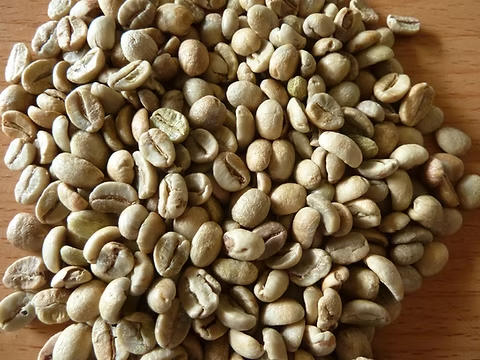
Son La Arabica Coffee S16 Grade 1
Son La Arabica Coffee S16 Grade 1 is a Vietnamese green coffee specification that combines three different commercial ideas: origin, bean size, and quality classification. “Son La” identifies the growing region in north-western Vietnam. “S16” refers to a screen-size category based on a mechanical sieve. “Grade 1” describes the quality level under the specification agreed by the buyer and seller.
These three terms should not be confused. Origin does not automatically guarantee a cup profile. Screen size does not prove specialty quality. Grade 1 does not automatically mean that every exporter uses the same defect, moisture, processing, or documentation criteria. For professional B2B purchasing, the full specification should be confirmed through a representative sample, a product sheet, and a written contract.
Son La is increasingly recognized as one of Vietnam’s most important Arabica-producing regions. VietnamPlus, citing provincial information, reported in June 2026 that Son La had expanded its coffee-growing area to more than 33,600 hectares across 48 communes, with coffee production exceeding 40,000 tonnes in the previous year. The province also reported more than 1,100 hectares of specialty coffee plantations and geographical-indication protection for Son La coffee.
For importers and roasters, this creates an interesting sourcing opportunity: a northern Vietnamese Arabica origin with an established production base, growing specialty ambitions, and increasing attention to traceability and sustainability.
What Does S16 Mean in Arabica Coffee?
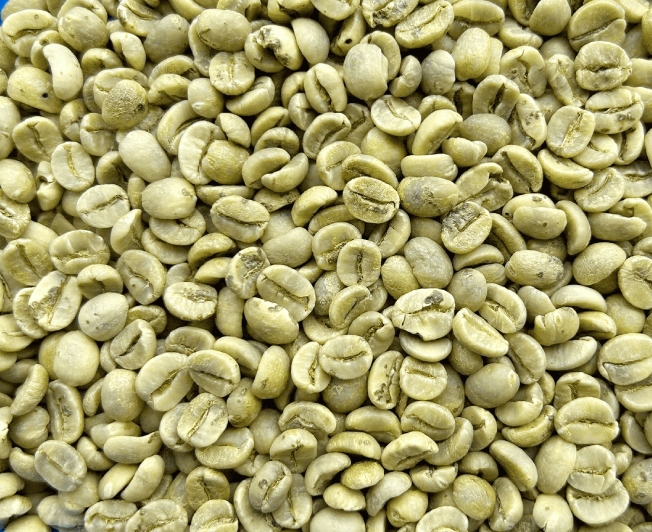
Screen size is a physical measurement used to classify green coffee beans. The number refers to the sieve opening in sixty-fourths of an inch. A Screen 16 sieve has an opening of approximately 6.35 millimetres. Beans retained on the screen are larger than the opening, while smaller beans pass through.
S16 is therefore a size designation, not a tasting score. It does not by itself indicate that the coffee is floral, sweet, high-altitude, fully washed, organic, or specialty grade. It tells the buyer that the lot has been prepared around a specified bean-size range.
Commercial screen requirements can differ between species, origins, exporters, and contracts. Some Vietnamese coffee offers describe a minimum percentage of beans retained on the selected screen, but the buyer should not assume that one S16 tolerance applies to every Arabica lot. The purchase order should state the retention percentage, acceptable lower-screen tolerance, measurement method, and inspection procedure.
| Term | Meaning | What it does not prove |
| Son La | Vietnamese growing origin | It does not guarantee one universal cup profile or processing method. |
| Arabica | Coffee species | It does not guarantee specialty quality or a particular variety. |
| S16 | Physical bean-size classification, approximately 6.35 mm sieve opening | It does not guarantee flavor, altitude, certification, or defect level. |
| Grade 1 | Quality classification under an agreed specification | It does not have one identical definition in every market or contract. |
| Washed or natural | Processing method | It does not replace physical inspection or cupping approval. |
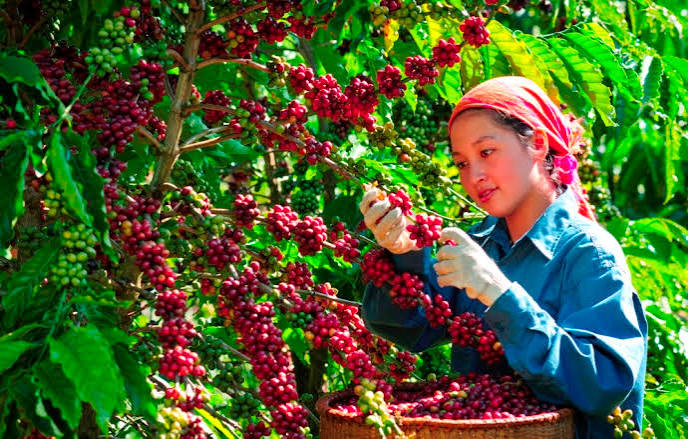
Why Son La Is Important for Vietnamese Arabica Sourcing
Son La is located in north-western Vietnam and has become an important Arabica-growing area. The region’s mountainous environment, seasonal climate, and expanding network of farms, cooperatives, processors, and exporters support the development of differentiated Arabica products.
Commercial descriptions of Son La coffees show that the region can produce lots with balanced acidity, cocoa, spice, herbal, caramel, fruit, or floral characteristics, depending on the farm, variety, altitude, harvest conditions, and processing method. For example, StoneX Specialty Coffee describes a specific washed Catimor lot from Son La at 700–1,200 metres above sea level with acidity, cocoa, spice, herbal notes, medium body, and a cocoa finish. Another commercial listing for a different washed Son La lot describes a brighter profile with citrus, red apple, floral notes, and caramel sweetness.
These descriptions should be read as lot-specific examples rather than a universal tasting profile for all Son La Arabica. This distinction is important in B2B coffee purchasing. A professional buyer should approve the actual sample intended for the contract rather than relying only on the reputation of an origin or a generic flavor description.
The province is also moving toward more transparent and resource-efficient production. In August 2026, Vietnam’s Ministry of Agriculture and Environment reported a precision irrigation and fertilization pilot in Son La designed to improve water and nutrient efficiency, monitor environmental indicators, and support more sustainable coffee production. The project is relevant to international buyers because environmental transparency, resource efficiency, and supply-chain documentation are becoming more important in many export markets.
Understanding “Grade 1” in Son La Arabica
“Grade 1” should be treated as a commercial quality label that requires a supporting specification. The exact requirements may vary according to the exporter, national reference, destination country, customer program, and contract. A responsible buyer should ask for the definition before comparing quotations.
A Grade 1 Arabica specification may address the following characteristics:
| Quality area | Questions for the buyer and supplier |
| Bean size | What percentage of the lot is retained on S16? What lower-screen tolerance is allowed? |
| Physical defects | What are the limits for black beans, broken beans, insect damage, quakers, parchment, and other defects? |
| Foreign matter | What maximum level is allowed, and which testing method is used? |
| Moisture | What is the maximum and target moisture range? How is moisture measured? |
| Processing | Is the coffee washed, honey, natural, or another process? |
| Crop and harvest | Which crop year and harvest window does the sample represent? |
| Cupping | What sample protocol, score system, and approval process will be used? |
| Traceability | Can the lot be traced to a farm, cooperative, production area, or processing unit? |
| Documentation | Which certificates, laboratory reports, and export documents are available? |
The term Grade 1 should never be used as a substitute for a complete contract specification. Two lots described as “S16 Grade 1” may not be commercially identical if one is fully washed and the other is natural, or if their defect tolerances and screen-retention requirements differ.
Potential Cup Profile of Son La S16 Arabica
S16 affects physical size, while the cup profile is shaped by a wider set of variables. These include Arabica variety, elevation, soil, shade, rainfall, cherry maturity, harvesting selectivity, fermentation, drying, storage, and roast development.
Washed Son La Arabica may be presented to buyers with a clean and structured profile, often emphasizing acidity, sweetness, cocoa, herbs, spice, citrus, fruit, or floral aromatics. Natural and honey processes may produce a different balance of fruit intensity, body, sweetness, and fermentation character. The exact profile must be validated through cupping.
For a specialty roaster, the most useful sample information includes the lot’s origin, producer or cooperative, variety, altitude, process, harvest date, drying method, moisture, water activity where available, and cupping notes. A professional sample should be accompanied by a clear explanation of whether the sample is representative of an available commercial lot.
Why Buyers May Choose S16 for B2B Coffee Programs
S16 can be suitable for buyers who need a medium-to-large green bean specification while maintaining flexibility in product positioning. A controlled screen range can support more predictable roasting behavior than a highly mixed-size lot, although screen size alone does not guarantee uniform roast development.
For roasters, S16 may be used in single-origin releases, seasonal blends, filter products, espresso blends, and premium commercial programs. The right choice depends on the target roast profile and customer expectations. A buyer seeking a light-roasted specialty coffee may prioritize cup clarity and traceability, while a commercial roaster may prioritize repeatability, physical cleanliness, and contract availability.
| Buyer type | Potential use of Son La S16 Arabica | Main procurement priority |
| Specialty roaster | Single-origin or limited seasonal release | Cup quality, traceability, process transparency, and sample consistency. |
| Commercial roaster | Component in premium or differentiated blends | Repeatability, physical specification, supply continuity, and cost. |
| Coffee distributor | Green coffee for roaster customers | Reliable documentation, flexible volumes, and clear lot information. |
| Café or chain | Branded single origin or house blend component | Flavor consistency, delivery schedule, and customer-facing origin story. |
| Private-label brand | Packaged roasted or green coffee under the buyer’s brand | Packaging, labeling, MOQ, compliance, and repeat production. |
| Foodservice buyer | Coffee for hotels, restaurants, and catering | Consistent supply, roast suitability, and commercial practicality. |
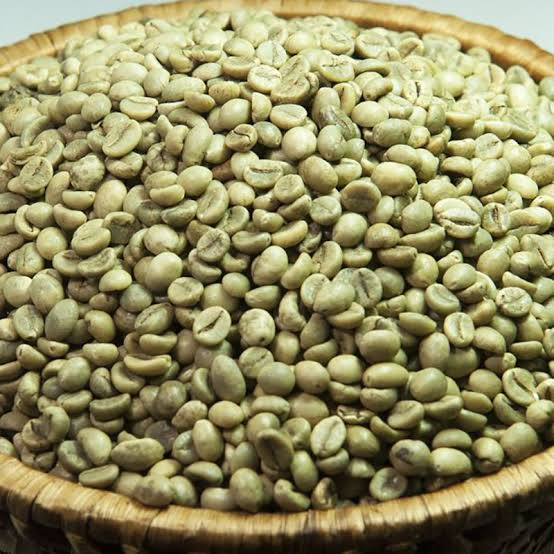
How to Evaluate a Son La S16 Grade 1 Sample
Confirm the physical specification
Begin with the screen-size statement. The supplier should specify the sieve opening, minimum retention, lower-screen tolerance, and inspection method. If the lot is marketed as S16, the buyer should verify that the sample and shipment use the same grading basis.
Next, inspect the physical appearance. Look for uniformity, visible foreign matter, black or damaged beans, broken beans, insect damage, parchment, quakers, and excessive variation. Photographs can support an initial review, but they should not replace a representative sample and laboratory or third-party inspection when the order is commercially significant.
Review moisture and storage conditions
Green coffee should be stored in a cool, dry, clean environment away from strong odors, direct sunlight, water, and contamination. The buyer should request the moisture range and testing method and should discuss packaging suitable for the expected transit time and warehouse conditions.
Moisture is only one part of green coffee stability. Packaging integrity, water activity, oxygen exposure, storage duration, and temperature fluctuations can also affect quality. If the buyer has a long supply chain or humid destination, these issues should be addressed before shipment.
Cup the sample using a repeatable method
Sample approval should include a defined roast and cupping method. The buyer should record fragrance, aroma, acidity, sweetness, body, aftertaste, balance, uniformity, clean-cup performance, defects, and any processing-related character. If the coffee is intended for a particular brew method, the evaluation should include that method as well as a standard cupping protocol.
The buyer should also agree whether the pre-shipment sample is binding, whether a retention sample will be kept, and how a quality dispute will be handled if the arrival sample differs materially from the approved sample.
Verify traceability and documentation
Son La coffee is increasingly promoted through origin identity and transparent supply-chain relationships. VietnamPlus reported that traceability and transparency have become essential requirements for international buyers, alongside quality, delivery reliability, and price.
A buyer should ask whether the lot is linked to a farm, cooperative, processing facility, production unit, or broader regional pool. The acceptable level of traceability depends on the destination market and the buyer’s compliance program. Certification claims should be supported by a current certificate showing the scope, validity, holder, and applicable products or production areas.
Suggested RFQ for Son La Arabica S16 Grade 1
A precise request for quotation helps suppliers provide comparable offers and reduces the risk of confusion between origin, screen size, and quality grade.
| RFQ field | Example buyer requirement |
| Species and origin | 100% Arabica, Son La, Vietnam |
| Commercial grade | Grade 1, with full defect specification attached |
| Screen | S16; state retention percentage and lower-screen tolerance |
| Process | Washed, honey, natural, or open to proposal |
| Variety | State preferred variety or request supplier disclosure |
| Quality | Moisture, defects, foreign matter, black beans, broken beans, quakers |
| Sample | Pre-shipment sample required; sample must represent the offered lot |
| Traceability | Farm, cooperative, processor, or regional traceability level required |
| Packaging | Jute bag, GrainPro or liner, vacuum, or buyer-specified format |
| Volume | Trial order, monthly requirement, annual volume, and reorder plan |
| Trade terms | FOB, CFR, CIF, or another agreed Incoterm |
| Documents | Specification sheet, COA, origin documents, inspection documents, and certificates where applicable |
The supplier’s quotation should state its validity period because green coffee pricing can change with crop availability, currency, logistics, and international market conditions. Buyers should compare quotations using the same product specification, shipment window, Incoterm, payment terms, packaging, and document requirements.
How Nam Son Group Can Support Son La Arabica Sourcing
Nam Son Group can discuss Son La Arabica sourcing with importers, specialty roasters, distributors, coffee brands, and private-label businesses seeking Vietnamese green coffee. A detailed first inquiry should include the destination market, target volume, preferred process, desired flavor direction, packaging format, delivery window, and required quality or compliance documents.
Buyers can contact Nam Son Group through nam-son.com to discuss:
•Son La Arabica S16 Grade 1 for wholesale import.
•Green coffee for specialty roasting and premium blends.
•Sample approval and lot-specific quality specifications.
•Traceability and origin documentation according to the buyer’s requirements.
•Export packing, shipment planning, and private-label opportunities where available.
All product specifications, certifications, MOQ, prices, and lead times should be confirmed for the specific lot and destination market. This protects both buyer and supplier from relying on a generic product description that may not accurately represent the offered coffee.
Frequently Asked Questions About Son La Arabica S16 Grade 1
What does S16 mean in Son La Arabica coffee?
S16 is a screen-size designation based on a sieve opening of 16/64 inch, approximately 6.35 millimetres. It describes bean size, not flavor, origin quality, certification, or cup score.
What does Grade 1 mean?
Grade 1 is a quality classification, but its exact meaning depends on the reference standard and the commercial specification agreed between buyer and seller. Buyers should request a complete defect, moisture, foreign-matter, and inspection specification.
Is Son La Arabica S16 Grade 1 specialty coffee?
It may be suitable for specialty or premium roasting, but the terms “S16” and “Grade 1” alone do not prove specialty quality. Specialty suitability should be evaluated through representative samples, cupping results, traceability, processing information, and the buyer’s own quality criteria.
What flavor profile can buyers expect?
Son La coffees may show different profiles depending on lot and processing. Commercial listings describe examples ranging from cocoa, spice, herbal and medium-bodied washed profiles to brighter citrus, red apple, floral and caramel characteristics. These are lot-specific descriptions and should not be treated as a universal profile for all Son La Arabica.
Which processing methods are available?
Washed, honey, and natural processes may be available depending on producer, harvest, and supplier. The buyer should request the process for the specific lot and approve a sample before contracting.
What documents should an importer request?
A buyer may request a product specification, certificate of analysis, moisture and defect results, lot traceability information, certificate of origin, packing list, commercial invoice, inspection report, and certification documents where applicable. The exact document list should reflect the importing country and buyer’s compliance program.
Conclusion: Building a Reliable Son La Arabica Supply Program
Son La Arabica Coffee S16 Grade 1 offers international buyers a clear starting point for sourcing Vietnamese green coffee: a recognized northern Arabica origin, a defined physical size category, and a commercial quality label that can be translated into a detailed purchase specification.
The most reliable purchasing process separates the three core questions. First, where was the coffee grown? Second, what physical size and quality does the lot meet? Third, how does the approved sample perform in the cup and during roasting? When these questions are answered with transparent documentation, sample approval, clear contract language, and appropriate inspection, Son La Arabica can become a credible component of a specialty, premium, or differentiated B2B coffee program.
