


Nutritional components of milk tea
Before finding out whether pregnant women can drink bubble tea , you need to understand the nutritional content of this beverage.
Essentially, milk tea is a beverage combining tea and milk. However, in reality, to improve texture, increase richness, and create more delicious flavors, most manufacturers add plant-based creamer powder and artificial food flavorings (floral flavors, fruit flavors, etc.) to the drink.
For this reason, the nutritional content of bubble tea is often inconsistent, varying significantly depending on the recipe of each brand.
In other words, simply changing the type of tea/milk/flavoring or topping will give you a bubble tea with completely new nutritional content.
Despite significant differences in nutritional value, milk tea is generally a high-calorie, high-carbohydrate, and high-fat beverage. Meanwhile, it is very low in fiber, protein, vitamins, and minerals.
On average, one cup of bubble tea can provide the body with 340-500 calories. Of that, about 45-50% of the calories come from carbohydrates, 5-7% from protein, and 43-50% from fat. So, is it safe for pregnant women to drink bubble tea ?
Is it okay for pregnant women to drink bubble tea?
Pregnant women CAN drink bubble tea, but should limit their consumption because bubble tea contains a lot of refined sugar, calories, and caffeine, which are not good for the health of both mother and fetus. Specifically:
1. Refined sugar
Most milk tea drinks nowadays use corn syrup as their primary sweetener. On average, 100g of milk tea can contain 5-15g of corn syrup.
This type of syrup is a mixture containing various sugars such as sucrose, maltose, fructose, glucose, etc. Therefore, excessive consumption of milk tea can increase the risk of gestational diabetes, fatty liver disease, and weight-related problems (overweight, obesity, etc.).
2. Caffeine
The tea used to make milk tea often contains a lot of caffeine – a stimulant that can cause a rapid heartbeat, temporary increase in blood pressure, leading to insomnia and stress for both mother and fetus if consumed in excessive amounts.
3. High calorie content
According to recommendations , pregnant women should only gain 25% of their pre-pregnancy weight during the entire 9 months of pregnancy. Specifically, in the first 3 months, pregnant women should not gain more than 2 kilograms.
Meanwhile, an average 350ml cup of bubble tea can contain between 270 and 430 calories, equivalent to more than 20% of the body’s daily energy needs.
This means that consuming just one extra cup of bubble tea per day for 20-25 days can lead to a pregnant woman gaining an additional kilogram in weight. Meanwhile, the nutritional value and health benefits received are minimal compared to the calories consumed.
Regular consumption of bubble tea, in addition to increasing the risk of overweight and obesity, can also contribute to several health problems such as fatty liver disease, hyperlipidemia, and gestational diabetes.
In short, is it okay for pregnant women to drink bubble tea ? The answer is yes, but they should choose varieties with less sugar/vegetable cream/caffeine and drink it in moderation to ensure the health of both mother and fetus.
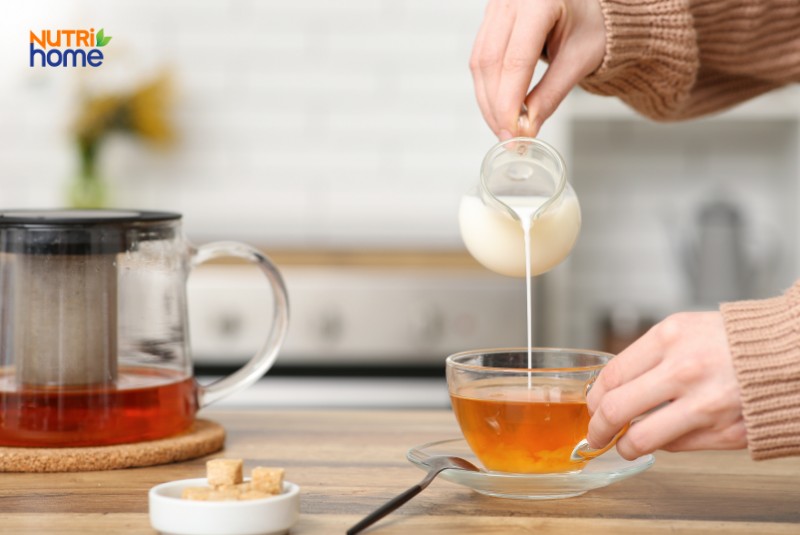
Pregnant women can drink one cup (125-250 ml) of milk tea per day.
Is it good for pregnant women to drink a lot of bubble tea?
Pregnant women drinking too much bubble tea is NOT GOOD for their health and may even increase the risk of dangerous pregnancy complications. This is because the tea in bubble tea contains a high amount of caffeine.
Caffeine is a powerful nervous system stimulant that has been shown to easily cross the placental barrier and reach the developing fetus.
In the adult body, 90% of caffeine is typically metabolized by the CYP1A2 enzyme in the liver. However, fetal livers lack this enzyme, meaning babies cannot metabolize/eliminate caffeine as efficiently as adults.
For this reason, excessive caffeine consumption during pregnancy has also been shown to be associated with an increased risk of miscarriage, stillbirth, and babies being born underweight or overweight for their gestational age.
How should pregnant women drink bubble tea?
In reality, whether or not pregnant women can drink bubble tea depends largely on how and in what amount it is consumed. To ensure that consuming bubble tea does not harm their health, pregnant women need to pay attention to:
1. Consumption
An average cup of bubble tea contains about 40-50 mg of caffeine. Meanwhile, most health authorities recommend that pregnant women limit their caffeine intake to under 200 mg per day. This means that pregnant women should absolutely not consume more than 4-5 cups of bubble tea per day.
However, to ensure greater safety for the fetus, pregnant women should limit their consumption of bubble tea. If they crave bubble tea, pregnant women should only consume a maximum of 1 cup (125-250 ml) of bubble tea per day.
2. Consumption methods
2.1. Prioritize choosing milk tea varieties with low caffeine content.
Milk tea made from herbal tea extracts (peppermint tea, chamomile tea, ginger tea, etc.) and green tea usually contains lower levels of caffeine than milk tea made from oolong tea and black tea.
2.2. Select or limit toppings.
Pregnant women should limit their consumption of bubble tea with toppings, especially creamy foam (machiato) or black tapioca pearls (made from tapioca starch). This is because these two types of toppings have a high sugar load, potentially increasing the risk of gestational diabetes.
If you’re craving toppings, you can prioritize crunchy jelly toppings, such as grass jelly, chewy tapioca pearls, fruit jelly, etc. This is because most types of jelly are primarily composed of water along with a small amount of thickener with a low sugar load (konjac powder, carrageenan powder, etc.).

Pregnant women should drink milk tea made from pure tea and milk, and limit the addition of artificial creamer powder.
Note:
The above are just general recommendations regarding milk tea consumption for pregnant women. In all cases, to ensure health safety, pregnant women should proactively consult their doctor or nutritionist before deciding to add milk tea to their daily diet.
What should I drink during pregnancy instead of bubble tea?
Is it okay to drink bubble tea while pregnant ? The answer is yes. However, replacing bubble tea with other natural herbal teas may offer more health benefits, such as:
1. Chamomile tea
Studies show that chamomile contains a high amount of apigenin – an antioxidant compound that has a calming effect, reduces stress, and contributes to improving insomnia in pregnant women. In other words, consuming chamomile tea can have a relaxing effect, helping pregnant women feel healthy and peaceful.
Furthermore, chamomile tea contains powerful antioxidant compounds belonging to the flavonoid group, such as quercetin, patuletin, luteolin, α-bisabolol, etc.
According to research , these are all nutrients that help reduce inflammation in the body, contribute to inhibiting the synthesis of LDL cholesterol (a type of bad fat) in the liver, and help prevent fatty liver disease, hyperlipidemia, and cardiovascular disease in pregnant women.
In addition, many other studies have shown that chamomile tea can also reduce acid reflux – a condition that occurs when the stomach releases too much acid, causing a large amount of stomach acid to reflux into the esophagus, causing heartburn and burning (inflammation) in the throat.
To allow chamomile tea to exert its stomach-soothing properties, pregnant women can drink one 80ml cup of chamomile tea after any meal or 60 minutes before bedtime.

Chamomile tea has both a calming effect and helps balance stomach acid.
2. Ginger tea
Ginger contains antioxidant compounds such as gingerol and shogaol, which have a warming effect on the stomach and improve uncomfortable stomach symptoms. Therefore, consuming ginger tea is good for pregnant women because ginger can reduce nausea and vomiting, especially during morning sickness in the first three months of pregnancy.
Additionally, ginger tea has anti-inflammatory properties and boosts the immune system, reducing the risk of colds and supporting the overall health of pregnant women. However, mothers should only drink ginger tea in moderation and consult their doctor to ensure safety.
3. Genmaicha
Genmaicha, also known as Japanese brown rice green tea, is a perfect blend of dried green tea leaves and roasted brown rice. Specifically:
- Green tea: Contains powerful antioxidants such as epigallocatechin gallate (EGCG) which have anti-inflammatory effects, boost the immune system, and reduce the risk of inflammatory diseases.
- Roasted brown rice: Provides additional B vitamins, minerals, and a small amount of fiber, helping to improve digestion, reduce constipation, and maintain a stable physical condition.
In addition, genmaicha has a lower caffeine content than regular green tea, making it a safer choice for pregnant women. The lower caffeine content reduces the risk of affecting sleep, as well as the nervous system of both mother and fetus.
During pregnancy, a time when constant stress and anxiety can easily rob you of your inner peace, it’s crucial to prioritize your mental health.
Remarkably, genmaicha tea contains a high amount of the amino acid L-theanine, which has been shown to soothe the mind, contributing to reduced stress levels in the nervous system, allowing you to find precious moments of peace, especially in the period leading up to childbirth.
Moreover, genmaicha has a mild, easy-to-drink flavor, making it suitable for pregnant women to add to their diet as an alternative to milk tea.
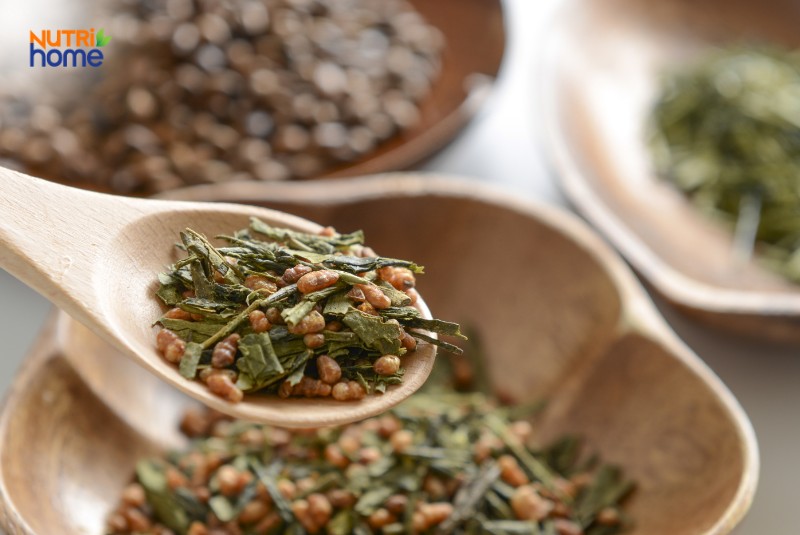
Genmaicha tea is the perfect blend of green tea leaves and roasted brown rice, making it more suitable for pregnant women.
4. Peppermint tea
Peppermint tea has properties that soothe the digestive system, helping to reduce symptoms of bloating, gas, nausea, and vomiting commonly experienced during morning sickness.
Additionally, this type of tea has been shown to prevent/reduce pain caused by smooth muscle spasms in the intestinal wall, helping pregnant women feel more comfortable throughout their pregnancy.
Furthermore, research shows that inhaling the aroma of menthol – the compound that gives peppermint tea its characteristic refreshing flavor – has been shown to effectively reduce the intensity and frequency of headaches, helping pregnant women alleviate common headaches caused by stress or hormonal changes.
5. Barley Tea
Barley tea is rich in B vitamins, especially niacin (B3), thiamin (B1), and pyridoxine (B6), which help support energy metabolism, improve nerve function, and maintain overall health.
Furthermore, vitamin B6 has been shown to reduce symptoms of nausea and vomiting during pregnancy, helping expectant mothers feel more comfortable during morning sickness.
In addition, barley contains many minerals such as iron, magnesium, and zinc. Specifically:
- Iron: An important mineral in the formation of red blood cells and preventing anemia, a common problem in pregnant women.
- Magnesium: Helps reduce the risk of cramps and muscle aches in the mother, while also supporting the development of the fetus’s bones and teeth.
- Zinc: Supports the immune system and cell division, essential for the overall development of the fetus.
Finally, barley tea is caffeine-free, helping pregnant women avoid unwanted side effects from caffeine such as insomnia and stress. However, pregnant women should drink barley tea in moderation and consult their doctor before using it to ensure their health and safety.

Barley tea is rich in B vitamins, iron, zinc, and magnesium.
In summary, choosing and consuming bubble tea correctly is crucial to ensuring the health of both the mother and the fetus. Regarding the question of whether pregnant women can drink bubble tea , experts agree that they can, but consumption should be limited, and they should choose varieties with less sugar and caffeine to avoid negative health effects.
Hopefully, this article has provided you with the necessary information about drinking bubble tea during pregnancy and the appropriate amount to consume. In fact, maintaining a balanced diet, combined with close monitoring by your doctor, will help you have a safe and healthy pregnancy.