


SKĐS – When the weather turns cold, it’s time to remember spices that warm the body, such as pepper, chili, ginger, and galangal… Not only do they add flavor to dishes, stimulate digestion, and improve appetite, but pepper is also a medicinal herb with many special uses.
Two medicinal remedies derived from peppercorns.
Black pepper, also known as peppercorn, is scientifically named Piper nigri L. It belongs to the Piperaceae family .
The pepper plant provides two medicinal ingredients:
– Black pepper (Fructus Piperis nigrum) is the dried, unripe fruit of the pepper plant.
– White pepper (Fructus Piperis albi) is the ripe, dried, and peeled fruit of the pepper plant.
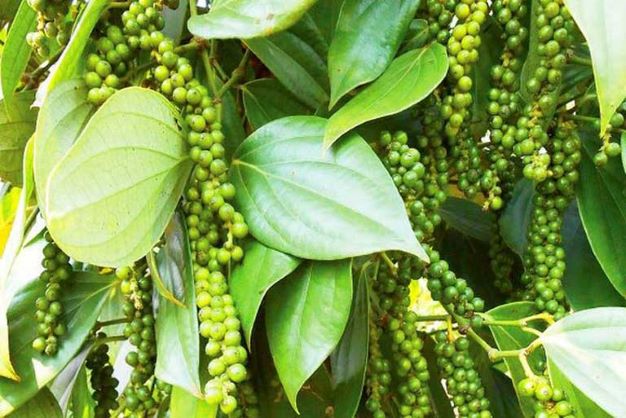
Pepper plants are a type of climbing vine.
Black pepper is a climbing vine with a long, smooth, hairless stem that attaches to other plants with its roots. The stem grows in a winding pattern, bearing alternate leaves. The leaves resemble betel leaves, but are longer and more tapered.
There are two types of branches: one that bears fruit, and one that is for nutrition; both types of branches originate from the leaf axils.
Pepper plants are grown in many southern provinces of Vietnam. In other countries, they are also found in Malaysia, Indonesia, India, Cambodia, etc.
To obtain black pepper , people harvest the berries when a few red or yellow berries appear on the cluster, meaning the berries are still green. The berries that are too young, without a core, are very brittle and easily crumble when dried. The other berries, when dried, will have wrinkled skins and turn black, hence the name black pepper.
To obtain white pepper (also known as peppercorn), the peppercorns must be harvested when fully ripe. The outer shell is then removed by foot pressing, or they are placed in a basket and soaked in running water for 3-4 days to remove the black outer layer, after which they are dried. This type has an ivory or gray color, is less wrinkled, less fragrant (because the outer layer containing essential oils has been removed), but is spicier.
Black pepper contains essential oils and two alkaloids. In addition, it contains other substances such as cellulose and mineral salts.
The essential oil content is approximately 1.5-2.2%. This essential oil is concentrated in the middle layer of the fruit peel, which is why white pepper contains less essential oil. The essential oil is pale yellow or pale green and consists of hydrocarbons such as phellandrene, cadyne, caryophyllene, and a small amount of oxygen-containing compounds.
Black pepper contains two alkaloids: piperine and chavixin.
Besides essential oils and alkaloids, black pepper also contains 8% fat, 36% starch, and 4.5% ash.
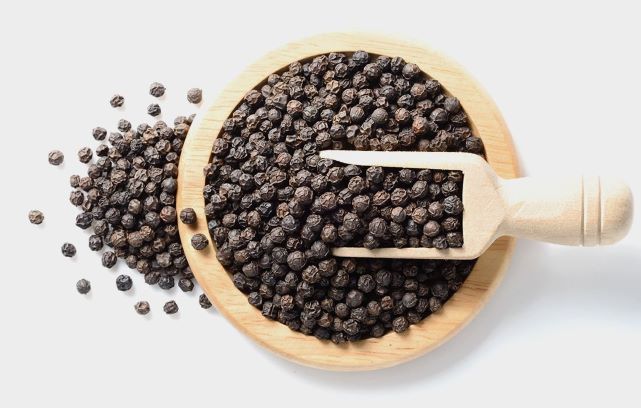
Black pepper.
Pharmacological effects of pepper
In small doses, pepper increases gastric and pancreatic juices, stimulating digestion and improving appetite, but in large doses, it irritates the gastric mucosa, causing congestion and local inflammation, leading to fever, urinary tract infections, and hematuria.
Black pepper also has antiseptic and antiparasitic properties, and can induce sneezing. The smell of black pepper repels insects such as ants and flies.
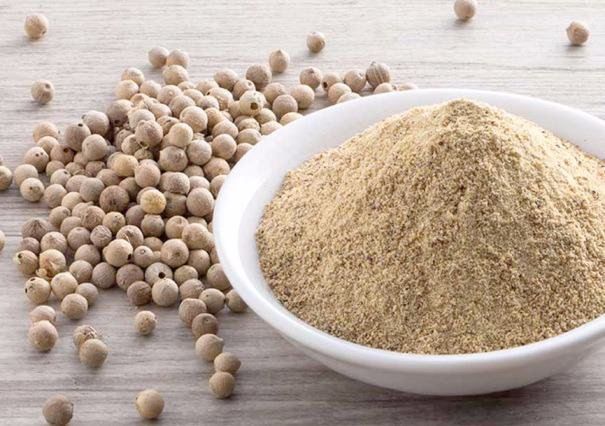
White peppercorns are less aromatic but spicier than black peppercorns.
Uses and Dosage
According to the book “Vietnamese Medicinal Plants and Remedies” by Professor Dr. Do Tat Loi, in addition to its use as a spice, black pepper is used as a medicine to stimulate digestion, relieve pain (toothache), and treat stomach pain. The daily dose is 1-3g in powder or tablet form.
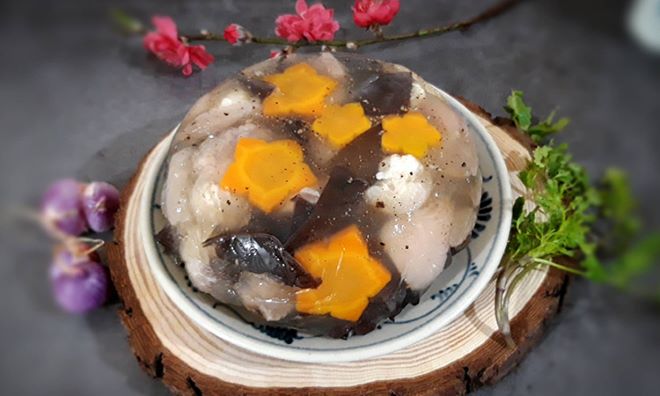
Black pepper adds a delicious aroma and warmth to dishes, perfect for the early days of winter.
Black pepper contains alkaloids (pipenine, chavixin, piperilin, etc.), resinous oils, and essential oils. Its effects include increasing intestinal motility, sedation, pain relief, fever reduction, anticonvulsant effects, raising blood pressure, and antiseptic properties.
According to Traditional Chinese Medicine, peppercorns have a pungent taste, a fragrant aroma, and a warm nature; they affect the spleen, stomach, lungs, and large intestine; they have the effects of warming the middle, dispelling cold, lowering qi, clearing phlegm, regulating taste, and detoxifying; they are used to regulate taste, stimulate appetite, and aid digestion; they treat abdominal cramps due to cold, vomiting clear fluid, diarrhea, bloating, indigestion, phlegm obstruction, and have antibacterial and detoxifying properties.
Dosage and administration: Add 1-3g of powdered herb to food.
To treat diarrhea and vomiting after eating, use black pepper and processed Pinellia ternata, in equal parts, finely ground. Mix with ginger water and form into pills the size of a pea. Take 15-20 pills daily. Wash down the pills with ginger water.