


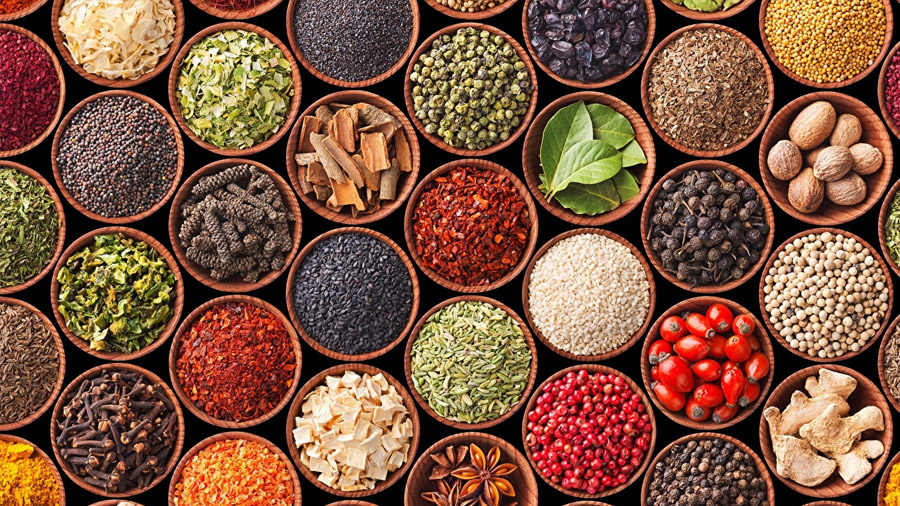
Peppercorns, though small, possess a warm, spicy flavor and a very distinctive aroma. They are a familiar spice in many Vietnamese kitchens. But have you ever wondered where peppercorns come from and how many types there are? Let’s find out with Poseidon.
What is pepper?
Peppercorns are the fruit of the pepper plant. This plant has a vine-like stem that grows in segments. Roots grow from each segment, allowing the plant to cling to and climb up poles or trellises. Pepper leaves are similar to betel leaves but smaller, stiffer, and thicker.
Peppercorns grow consecutively on the stem, measuring approximately 7-10 cm in length, or even up to 25 cm. Each fruit is a small sphere with a radius of about 2-3 mm. The pepper harvest season begins in December and lasts until March of the following year.
Pepper plants don’t have a very long lifespan and prefer dry, cool, well-drained hillsides. Therefore, this plant is widely grown in the Central Highlands provinces, Phu Quoc Island, Quang Tri, Binh Phuoc, Ba Ria Vung Tau, and in countries around the world such as China, India, and Thailand.
When did pepper first appear?
The pepper plant was discovered by the Indians around 2000 BC in the wild forests of southwestern India (the Assam and Ghats regions). At that time, it was considered a valuable tribute offered to kings and rulers, and they even used pepper to compensate for war losses.
It wasn’t until the early 13th century that pepper was widely cultivated and used as a spice in cooking. At that time, pepper was considered “black gold”—becoming a form of currency for exchanging goods.
Around the 16th century, pepper crossed borders, spreading to other countries in South Asia and Southeast Asia. By the 19th century, pepper was present in the Americas and Africa.
Black pepper was introduced to Vietnam in the 17th century, when the French colonialists invaded and began cultivating it. Today, Vietnam is one of the world’s largest exporters of black pepper.
How many types of pepper are there in Vietnam?
In Vietnam, there are five common types of pepper: black pepper, green pepper, white pepper (peppercorn), pink pepper, and Northwestern mắc khén seeds.
1. Black pepper
This is the most familiar type of pepper in Vietnamese family kitchens. To obtain black pepper, farmers harvest mature but still green peppercorns. The sign that the peppercorns are ready for harvesting is when a few red or yellow peppercorns begin to appear in the cluster. After harvesting, the peppercorns are dried. When dried, the skin hardens and turns black; this is black pepper.
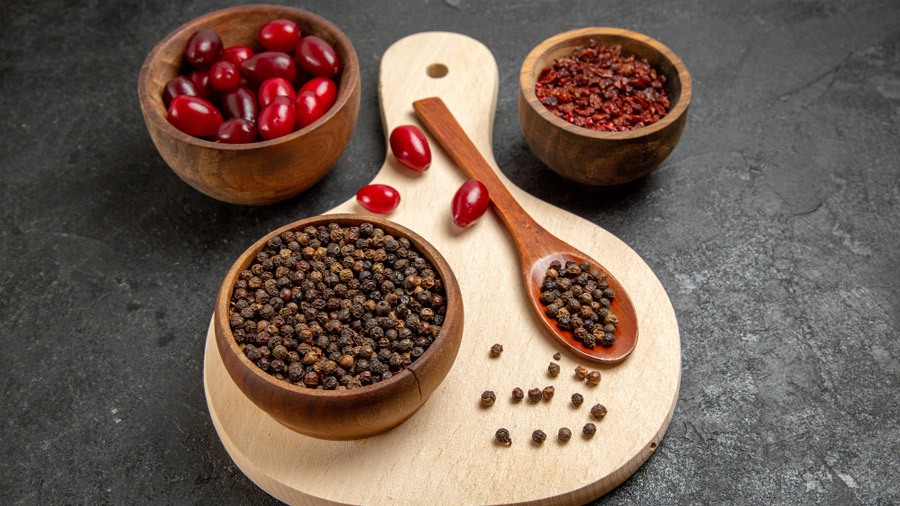
Black pepper has a spicy flavor, along with a subtle aroma. It’s commonly used to add warmth and spiciness, enhancing the taste of dishes. In particular, black pepper sauce is a “magical” marinade for meat.
2. Green peppers
Green peppercorns are peppercorns that are not yet fully ripe. Farmers usually harvest them in bunches when they are still green, the seeds have not yet formed into peppercorns, and they are still soft.
This type of pepper has a mild spiciness and a subtle, moderate aroma. Green pepper is considered warm and moist, often used in stews to add flavor and neutralize the odor of ingredients. Additionally, green pepper is used in grilled dishes, most notably the rustic yet incredibly appealing grilled snails with green pepper.
3. Black pepper (white pepper)
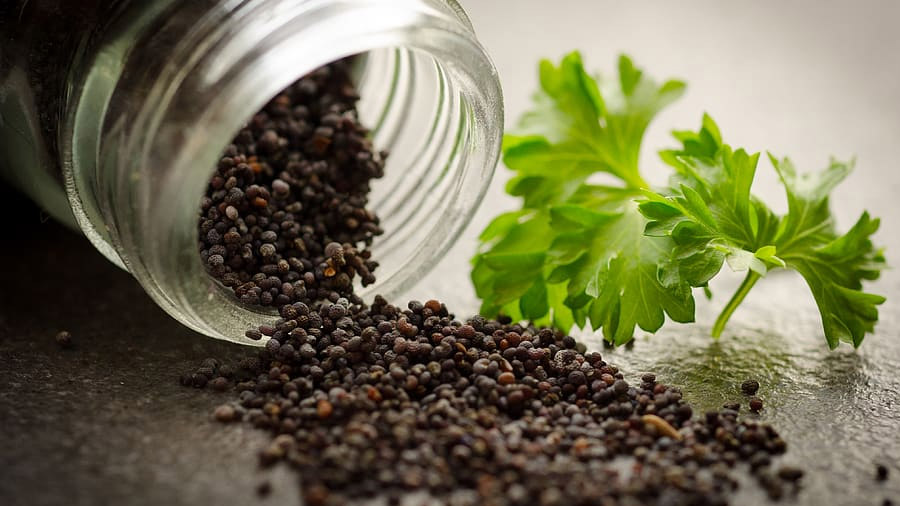
White pepper, or peppercorns, are the peppercorns obtained by harvesting fully ripe peppercorns whose skins have turned red, and then removing the outer skin.
This type of pepper is grayish-white or off-white in color and has a stronger aroma because the pungent essential oils and outer layer have been removed. However, white pepper is spicier because the fruit is harvested when it is very ripe.
Because of its beautiful color and the fact that it doesn’t detract from the aesthetics of the dish, black pepper is often used to add aroma to upscale menus.
4. Red pepper (Pink pepper)
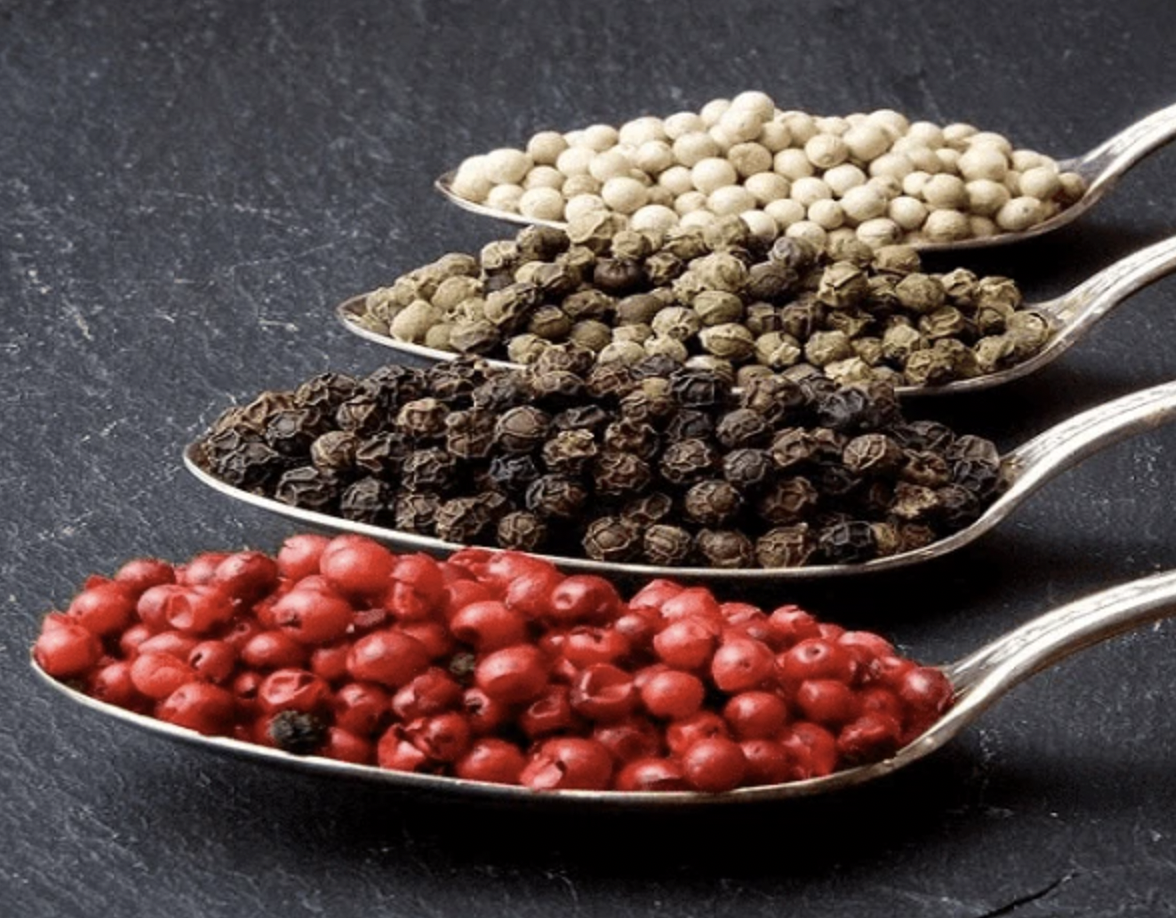
Pink pepper, also known as red pepper, is a small shrub with the English name Pink Pepper.
Although called “pink pepper” in Vietnamese, they don’t actually belong to the pepper family and aren’t peppercorns. They’re called pink pepper because they have a deep pink skin and a warm, spicy flavor similar to other types of pepper.
5. Mắc khén seeds
Mắc khén seeds have a spicy taste and aroma quite similar to black pepper. This is a famous spice of Northwest Vietnam. They appear in most dishes of the ethnic groups in this region, especially the Thai people.
In particular, mắc khén seeds give a spicy, tingling sensation on the tongue and have a much stronger aroma than black pepper.
Pepper in culinary culture
For centuries, pepper has been used by humans as a spice in cooking. Pepper is found in the kitchens of every family, from everyday dishes to expensive, luxurious meals. It is a national spice in many countries around the world, including Vietnam.
The spiciness of pepper is also incredibly unique and irreplaceable by any other spice on the spice map. It’s not as intensely spicy as chili peppers, nor does it cause diners to choke like mustard. The spiciness of pepper is warm, gentle, yet powerfully pervasive.
Pepper can be likened to a “strategist” in the world of spices. This is because pepper helps to remove fishy odors and add aroma to dishes without altering the flavor or overpowering the ingredients. The aroma and spiciness of pepper are perfectly balanced for any dish.