


 Tiếng Việt
1. What Are Quaker Beans in Coffee?
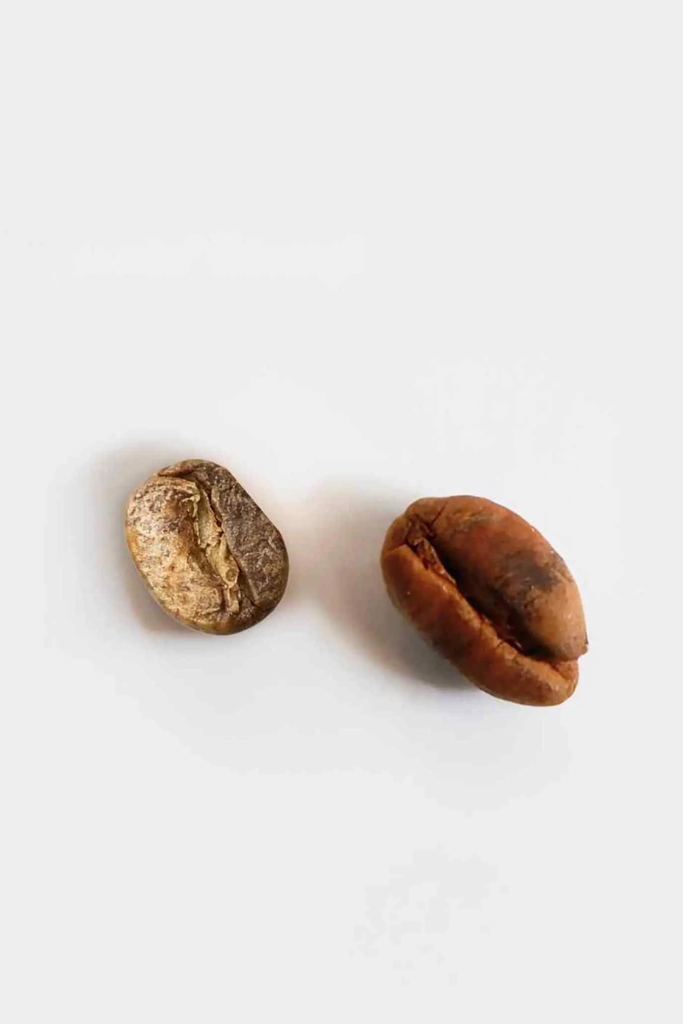
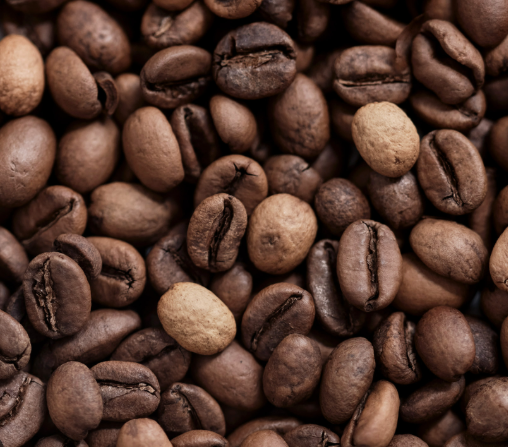
Quaker beans are underdeveloped coffee beans that fail to develop the expected brown color during roasting. While most properly developed coffee beans turn brown as they undergo chemical reactions under heat, Quakers remain noticeably pale yellow, beige, or light brown.
This defect originates during coffee cultivation and harvesting rather than being caused primarily by the roasting process. Quakers are commonly associated with immature coffee cherries that are harvested before reaching full ripeness.
In green coffee, Quakers can be difficult to identify because their appearance may resemble that of normal beans. Their distinctive pale color becomes much easier to recognize after roasting, when they stand out against the darker roasted beans.
Quaker beans are therefore considered a green coffee quality defect that becomes visually apparent during the roasting stage.
2. What Causes Quaker Beans in Green Coffee?
The primary cause of Quaker beans is incomplete seed development, often associated with harvesting unripe coffee cherries.
Several factors can contribute to their presence in a green coffee lot:
2.1. Harvesting Unripe Coffee Cherries
Coffee cherries need sufficient time to mature on the tree. When cherries are harvested too early, the seeds may not accumulate the necessary compounds for normal roasting development.
These immature seeds can eventually appear as Quaker beans after roasting.
2.2. Inconsistent Selective Harvesting
During harvesting, ripe and unripe cherries may be collected together, especially when selective picking is not properly controlled.
If immature cherries are not removed during subsequent processing and sorting, some underdeveloped beans may remain in the final green coffee lot.
2.3. Ineffective Sorting and Processing
Processing and sorting operations help remove unwanted cherries and defective beans before export.
Depending on the processing method and equipment, immature coffee cherries or low-density beans may not be completely separated. This can increase the likelihood of Quakers remaining in the finished green coffee.
Natural (dry-processed) coffee may require particular attention because it does not use the same pulping and washing stages as washed coffee. However, Quakers can occur in both processing methods.
3. How to Identify Quaker Beans in Green Coffee and After Roasting
One important characteristic of Quaker beans is that they are much easier to identify after roasting than through visual inspection of green coffee.
| Inspection Stage | Typical Appearance | Identification |
|---|---|---|
| Green coffee | May resemble normal beans; some immature beans show a pale or underdeveloped appearance | Visual identification can be difficult and is not always conclusive |
| Roasted coffee | Pale yellow, beige, or light brown compared with surrounding beans | More easily identified by color contrast |
3.1. Identification in Green Coffee
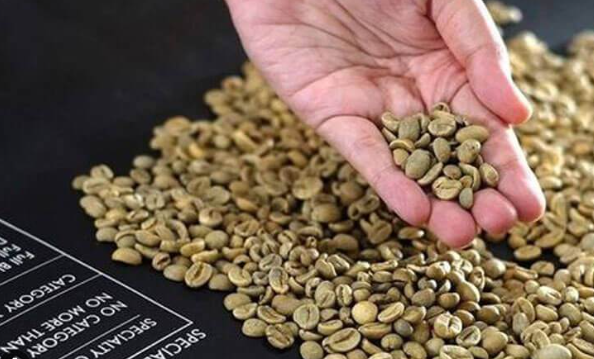
In the green coffee stage, immature beans may show signs of incomplete development, such as a lighter appearance or an irregular, poorly filled structure.
However, these visual characteristics are not sufficient to confirm every Quaker. Some immature beans may look similar to normal green coffee beans.
For this reason, green coffee inspection should be combined with roasting tests when assessing the likelihood of Quakers in a lot.
3.2. Identification in Roasted Coffee
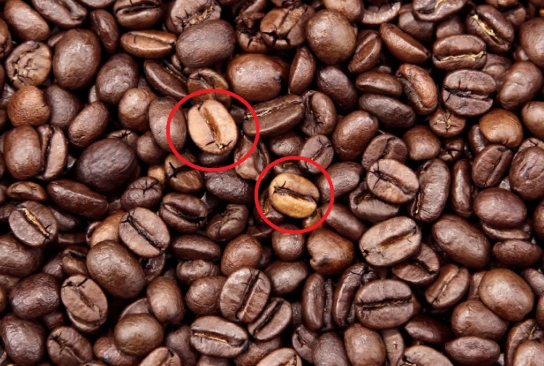
After roasting, Quaker beans become much easier to recognize.
Typical visual characteristics include:
- Noticeably lighter color than properly roasted beans.
- Pale yellow, beige, or light brown appearance.
- Less developed roasted appearance compared with the surrounding beans.
- Clear color contrast within the same roasted batch.
Roasters can inspect the roasted sample and manually remove identifiable Quaker beans when the required product quality calls for it.
4. Why Do Quaker Beans Remain Pale After Roasting?
The difference in color is closely related to the chemical composition of the coffee seed.
During roasting, sugars and amino acids participate in browning reactions, particularly the Maillard reaction. These reactions contribute to the development of roasted coffee color, aroma, and flavor.
Immature coffee seeds may contain insufficient or differently developed flavor precursors compared with fully mature beans.
As a result, they may not undergo the same degree of browning under identical roasting conditions. This explains why Quaker beans can remain noticeably pale even when the surrounding beans have reached the intended roast color.
Important: A pale bean in a roasted batch is not automatically a Quaker. Roasting inconsistency can also produce uneven bean colors. The origin of the defect should be assessed before making a quality judgment.
5. How Do Quaker Beans Affect Coffee Flavor and Quality?
Quaker beans can negatively influence the sensory quality of roasted coffee, particularly in specialty coffee where flavor clarity, sweetness, and consistency are important.
Their commonly reported sensory characteristics include:
| Sensory Attribute | Possible Characteristics |
|---|---|
| Aroma | Weak or less developed roasted aroma |
| Flavor | Peanut-like, papery, or cereal-like notes |
| Sweetness | Reduced perceived sweetness |
| Mouthfeel | Less developed or less balanced |
| Overall Cup Quality | May reduce flavor clarity and consistency |
The actual sensory impact depends on the number of Quakers present, the coffee’s origin and processing method, and the overall characteristics of the batch.
A small number of Quakers does not necessarily produce the same sensory result in every coffee. However, their presence can become a concern when consistent specialty coffee quality is required.
6. How Can Coffee Producers and Exporters Prevent Quaker Beans?
Preventing Quakers starts at the farm and continues throughout coffee processing and quality control.
6.1. Harvest Fully Ripe Coffee Cherries
Selective harvesting is one of the most important preventive measures.
Collecting properly matured cherries helps ensure that coffee seeds have sufficient time to develop before processing.
6.2. Improve Cherry Sorting
Removing green and immature cherries before processing helps reduce the number of underdeveloped beans entering the production line.
6.3. Apply Appropriate Processing and Density Separation
Depending on the processing method, flotation, density separation, and mechanical sorting can help remove certain immature or low-density materials.
These methods can reduce the likelihood of Quakers, although no single sorting method guarantees complete removal.
6.4. Conduct Roasting Tests During Quality Evaluation
Since Quakers are more readily identifiable after roasting, roasting tests are a useful part of quality assessment.
Roasting a representative green coffee sample allows buyers, exporters, and roasters to evaluate bean development, color consistency, and potential defects that may not be obvious during green bean inspection.
6.5. Inspect Roasted Samples Before Packaging
For roasted coffee manufacturers, visual inspection and sorting after roasting can help remove identifiable Quakers before the coffee is packed.
This is particularly relevant for products requiring strict visual and sensory consistency.
7. Are Quaker Beans a Green Coffee Defect or a Roasting Defect?
Quakers are fundamentally associated with green coffee quality, not simply with an incorrect roasting profile.
Although they become visible after roasting, their underlying cause usually exists before the beans enter the roaster.
It is important to distinguish Quakers from other roasting-related defects:
| Defect | Main Cause | Typical Appearance |
|---|---|---|
| Quaker | Immature or underdeveloped coffee seed | Pale bean after roasting |
| Underdeveloped roast | Insufficient heat or development during roasting | Roasted coffee with an underdeveloped flavor profile; color may also be lighter |
| Scorching | Excessive surface heat during roasting | Dark surface marks or patches |
| Tipping | Localized overheating at the bean tips | Dark or burnt-looking bean tips |
| Baked coffee | Roasting profile with insufficient thermal development | Often associated with flat, less expressive flavor |
Understanding these differences helps coffee professionals identify the actual source of a quality issue instead of incorrectly attributing every pale bean to roasting technique.
8. Why Quaker Inspection Matters in Green Coffee Trading
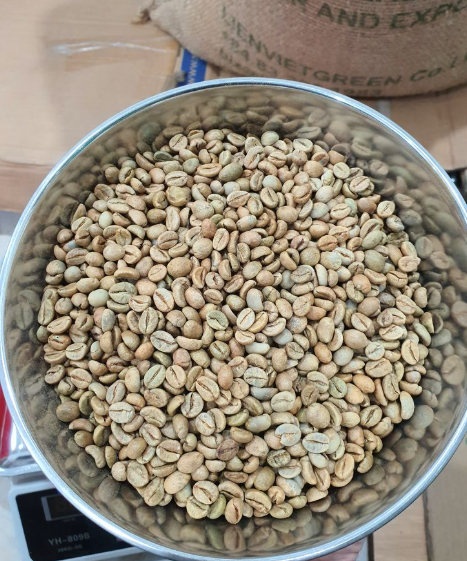
For coffee exporters, importers, traders, and roasters, Quaker inspection is an important part of evaluating green coffee quality.
A green coffee sample may meet physical specifications for screen size, moisture, and foreign matter while still showing differences in roasting performance.
Therefore, physical grading alone may not provide a complete picture of the coffee’s potential quality.
A more comprehensive evaluation should consider:
- Physical analysis: Screen size, moisture content, foreign matter, broken beans, and visible defects.
- Roasting evaluation: Bean color development and roasting consistency.
- Sensory evaluation: Aroma, flavor, sweetness, acidity, body, and aftertaste.
- Defect inspection: Identification of Quakers and other undesirable beans.
For B2B transactions, buyers and suppliers should agree on the inspection method, sample size, acceptable defect limits, and quality requirements before shipment.
Quaker limits should not be assumed to be identical across all coffee grades or commercial specifications. They should be clearly stated in the applicable purchase contract or quality agreement.
9. Conclusion
Quaker beans are underdeveloped coffee seeds that fail to develop normal roasted color, often remaining pale yellow or light brown after roasting.
Although they originate during coffee development and harvesting, their presence is most easily recognized during roasted coffee inspection.
For coffee producers, exporters, and roasters, controlling Quakers requires attention to harvesting, cherry sorting, processing, and quality evaluation throughout the supply chain.
At Nam Son, we recognize that reliable coffee quality involves more than meeting basic physical specifications. Careful inspection and appropriate quality evaluation help support consistent supply and long-term cooperation with international coffee partners.
Looking for Vietnamese green coffee for your business?
Contact Nam Son to discuss Vietnamese Robusta and Arabica coffee, product specifications, samples, and export supply requirements.
