


 English
For B2B coffee buyers, “Robusta S18” is only the starting point—not the complete quality specification.
Screen size tells you about bean size, but a proper pre-shipment or arrival inspection should look at the physical condition, moisture, defects, cleanliness, consistency and sensory characteristics of the lot.
For buyers sourcing Vietnam Robusta S18, here are the key points worth checking:
1. Bean size & screen distribution
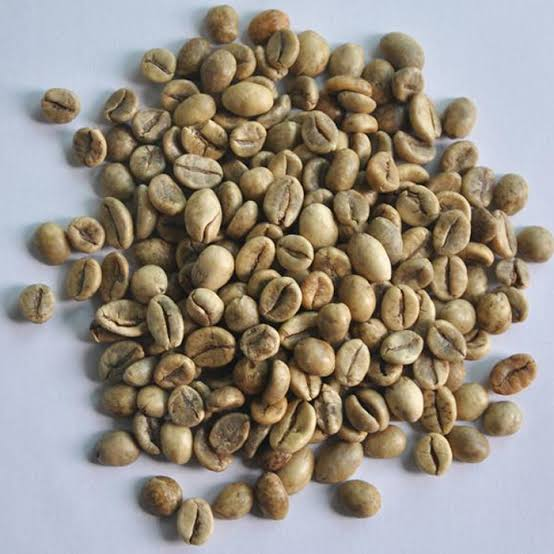
S18 indicates coffee selected around Screen 18 (approximately 7.1 mm). However, buyers should not evaluate the lot only by looking at a few large beans.
A proper inspection should check the actual screen-size distribution and the proportion of beans falling below the agreed screen specification.
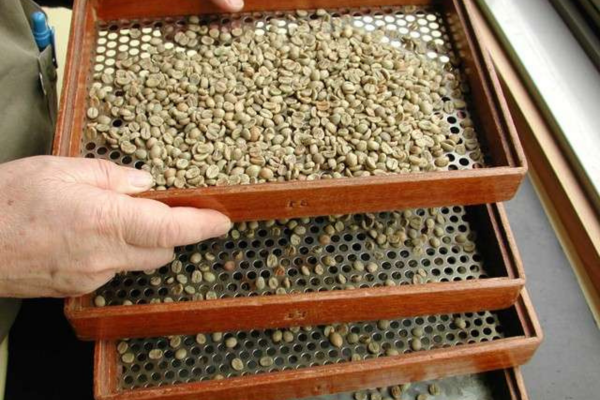
ISO 4150:2011 specifies manual and machine sieving methods for determining green coffee size distribution.
2. Moisture content
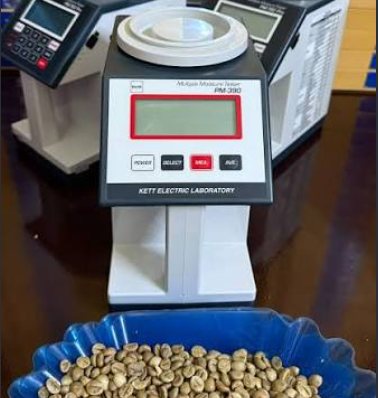
Moisture is one of the fundamental parameters when receiving green coffee.
Buyers should verify moisture using an agreed measurement method and compare the result with the contractual specification. ISO 1446:2001 provides the basic reference method for determining water content in green coffee.
For commercial shipments, it is also important to consider when and where the sample was taken, because storage and transport conditions can affect the coffee.
3. Defects & foreign matter
Check for:
- Black beans
- Sour beans
- Insect-damaged beans
- Broken/chipped beans
- Immature beans
- Foreign matter
- Other physical defects specified in the contract
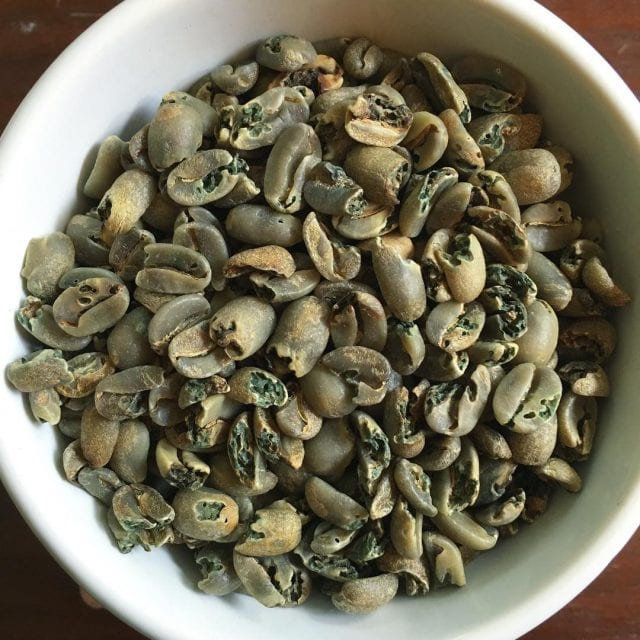
ISO 4149:2025 provides methods for visual and olfactory examination of green coffee, including determination of foreign matter and defects for quality control and commercial inspection.
ISO 10470:2004 also provides a reference chart for major green-coffee defect categories and their potential impact on quality and mass.
4. Cleanliness & uniformity
A good S18 lot should be assessed for overall cleanliness and consistency, not just individual bean appearance.
Look at the sample as a whole:
Color → size → shape → defects → foreign matter → uniformity.
The SCA’s green-coffee assessment framework similarly considers physical characteristics including color, defects, moisture and size.
5. Odor & sensory condition
Don’t overlook smell.
Green coffee should be checked for unusual or undesirable odors that may indicate problems during processing, storage or transportation. Sensory evaluation can provide information that a simple visual inspection cannot.
ISO 4149:2025 specifically covers olfactory as well as visual examination of green coffee.
6. Sampling is just as important as testing
Even accurate testing is not useful if the sample does not properly represent the shipment.
For B2B purchasing, the inspection procedure should therefore define:
How the lot is sampled → where samples are taken → sample quantity → testing method → acceptance criteria.
ISO 9116:2025 provides guidance for green-coffee specifications, including sampling, packing, marking, storage and shipping.
For buyers sourcing Vietnam Robusta S18
Before confirming a shipment, we recommend agreeing on the complete specification rather than simply stating “Robusta S18.”
A purchase specification can cover:
Origin | Screen | Moisture | Defects | Foreign Matter | Processing | Cleanliness | Color | Odor | Packaging | Quantity | Inspection Method
At Nam Son Co., Ltd, we work with B2B buyers on specifications according to their intended application, roasting requirements and destination-market requirements.
📩 Looking for Vietnam Robusta S18?
Send us your target specifications and required quantity. We can discuss the suitable grade, preparation and export specification for your market.
