


 Tiếng Việt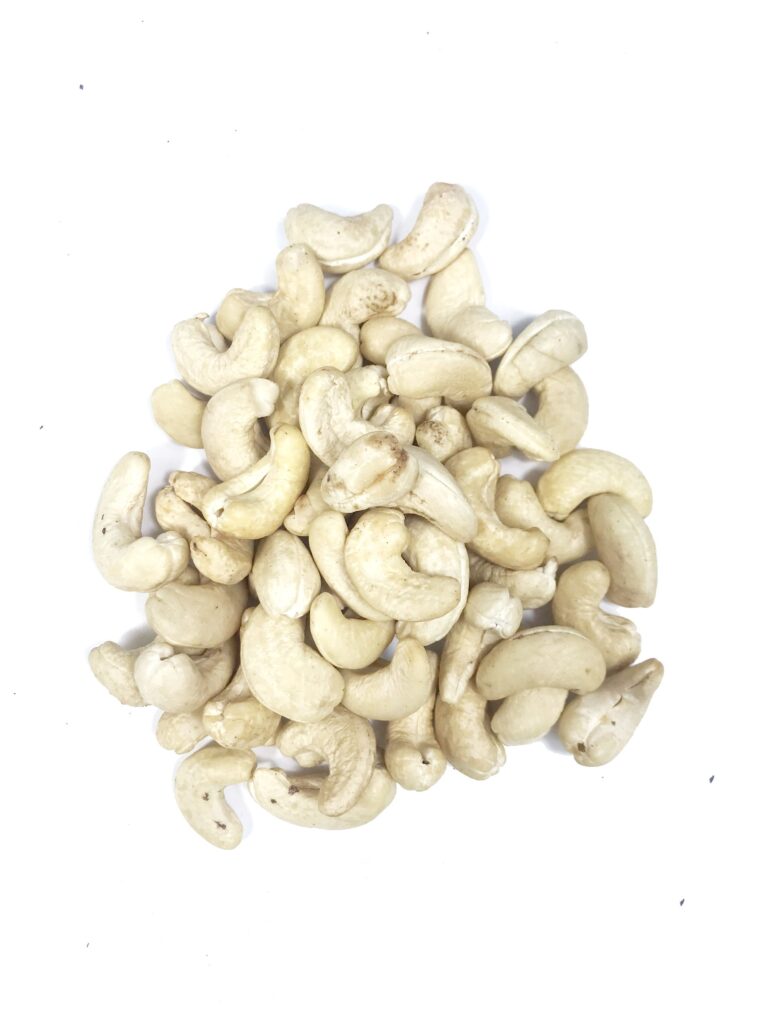
Meta title: Cashew WW240 from Vietnam | Wholesale Whole White Cashew Kernels
Meta description: Learn what Cashew WW240 means, how to evaluate Vietnamese whole white cashew kernels, and what importers should check before buying bulk WW240 cashews.
Suggested URL slug: /cashew-ww240-vietnam-wholesale-supplier/
Primary keyword: Cashew WW240
Secondary keywords: WW240 cashew nuts, Vietnam Cashew WW240 supplier, Vietnamese cashew nuts wholesale, whole white cashew kernels, bulk cashew kernels, cashew nuts exporter Vietnam
Recommended schema: Article + FAQPage
Target audience: Importers, food manufacturers, snack brands, distributors, retailers, caterers, and private-label buyers
What Is Cashew WW240?
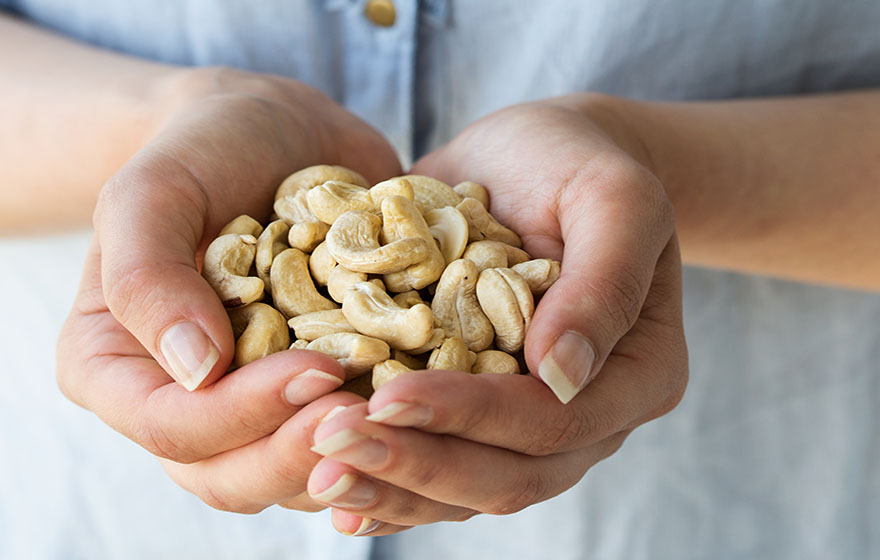
Cashew WW240 is a commercial grade of whole white cashew kernels. The term combines three important pieces of information: “W” refers to whole kernels, “W” also identifies the white or first-quality visual category in common trade terminology, and “240” refers to the approximate number of kernels per pound within the relevant size range.
Under the Association of Food Industries’ cashew specifications, the 240 size designation corresponds to approximately 220–240 kernels per pound, or 485–530 kernels per kilogram. This means that WW240 is a size grade, not a botanical variety, country of origin, certification, or flavor profile. A Vietnamese WW240 lot and a lot from another origin may share the same size designation but differ in moisture, processing, color, defects, packaging, freshness, and cup or eating quality.
The “whole” classification is also specific. Under the AFI reference, a cashew kernel is considered whole when it retains the characteristic cashew shape and no more than one-eighth of the kernel has been broken off. For commercial buyers, this distinction matters because whole kernels generally offer stronger visual appeal and more flexible applications than broken grades.
Cashew WW240 Specification at a Glance
The following table summarizes common commercial reference points. Final specifications should always be agreed in the purchase contract and adapted to the destination market.
| Specification | WW240 reference | Why it matters to B2B buyers |
| Product type | Whole white cashew kernels | Suitable for retail packs, snack mixes, foodservice, bakery, confectionery, and ingredient applications. |
| Size designation | 240 | Indicates a relatively large whole-kernel size category. |
| AFI count range | 220–240 kernels per pound | Helps buyers compare physical size across supplier quotations. |
| AFI metric equivalent | 485–530 kernels per kilogram | Useful for inspection and commercial specification. |
| Kernel integrity | Whole; no more than 1/8 broken off under the AFI definition | Supports appearance, portioning, and premium presentation. |
| Moisture reference | 3%–5% under the AFI method | Helps control texture, shelf life, mold risk, and blocking. |
| Color category | White, light yellow, or pale ivory for first-quality/fancy reference | Should be confirmed by sample and agreed defect tolerance. |
| Packaging | Hermetically sealed, clean, dry, leakproof, food-contact suitable packaging | Protects the product during international shipment and storage. |
| Inspection | Pre-shipment inspection recommended or required by contract | Reduces the risk of quality disputes after loading. |
The AFI document is primarily a U.S.-market industry specification. It is a useful technical reference, but it is not automatically the legal standard for every importing country. European, North American, Middle Eastern, and Asian buyers should confirm the applicable food-safety, labeling, residue, allergen, and microbiological requirements for their destination market.
Why WW240 Is Popular in International B2B Trade
WW240 is often selected by buyers who want a balance between visual size, commercial versatility, and cost control. It is larger than smaller grades such as WW320 or WW450, while usually being more accessible for regular commercial programs than the very largest whole grades.
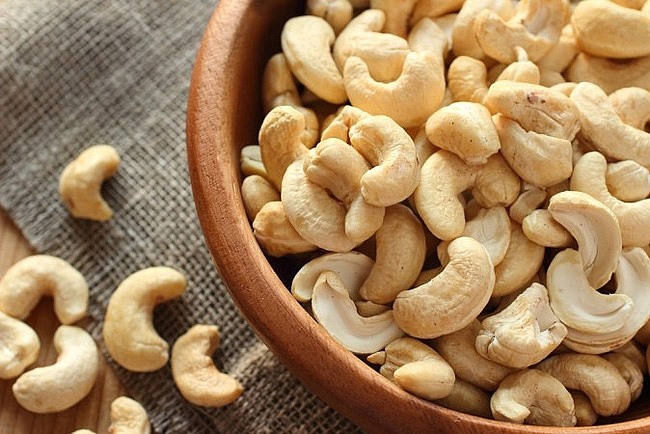
For retail and foodservice, the whole shape creates a clean appearance in transparent packaging, gift boxes, snack pouches, and premium mixed-nut formats. For manufacturers, WW240 can be roasted, salted, seasoned, coated, chopped, or incorporated into a broader product range. For private-label brands, the grade offers a recognizable product specification that can be communicated to distributors and buyers.
However, grade alone does not determine market value. Two WW240 offers may differ significantly because of color, defects, moisture, crop year, processing consistency, packaging atmosphere, origin documentation, shipment timing, and the supplier’s quality-control system. A professional buyer should therefore treat “WW240” as the starting point of an RFQ, not the complete description of the product.
Vietnamese Cashew WW240 for Wholesale Buyers
Vietnam has an established cashew processing and export sector, which makes Vietnamese suppliers relevant to buyers seeking bulk shelled kernels and value-added cashew products. Mordor Intelligence estimates that the Vietnam cashew market was worth approximately US$9.19 billion in 2025 and estimates a 2026 market size of US$9.54 billion, with a projected 4.5% CAGR through 2031. These are proprietary market estimates rather than official government statistics, so they should be used as market context rather than a contractual forecast.
The same market report indicates that shelled kernels represented the majority of the Vietnam cashew market by form in 2025. This is relevant to B2B procurement because importers often require ready-to-use kernels rather than raw in-shell nuts. Vietnamese processors and exporters may be able to support different product forms, including whole kernels, pieces, roasted cashews, seasoned products, and private-label formats. Actual availability, capacity, certification, and export documentation must be verified with the individual supplier.
Vietnamese cashew sourcing can be attractive for businesses that need a combination of processing expertise, export logistics, product customization, and access to several grades. It also requires disciplined supplier qualification. A buyer should not assume that all Vietnamese WW240 products have the same physical or food-safety profile.
How to Evaluate the Quality of Cashew WW240
1. Kernel size and count
The buyer should confirm that the lot meets the agreed WW240 count range. Count is useful because it provides a physical reference for size, but it should not be evaluated in isolation. A lot may meet the count range while still showing variation in color, breakage, defects, or moisture.
A pre-shipment sample should be representative of the actual lot. The contract should define the count method, sample size, tolerance, and inspection procedure. If the buyer requires a narrower tolerance than the standard commercial range, that requirement should be written into the specification before production or packing.
2. Whole-kernel integrity
Whole kernels are valuable because they present well and can be sold or used in applications where appearance matters. The buyer should examine the proportion of whole kernels, splits, butts, pieces, and damaged kernels. Under the AFI reference, broken kernels or pieces in whole kernels should not exceed 10% by weight, subject to the applicable specification and contract.
Photos are helpful for initial screening, but they cannot replace a physical sample. Buyers should inspect multiple cartons or sample points when qualifying a larger shipment, because quality can vary across a lot if sorting or packing has not been adequately controlled.
3. Color and visible defects
First-quality/fancy cashew kernels are generally associated with uniform white, light yellow, or pale ivory color under the AFI classification. Buyers should define whether light discoloration, testa, scrapes, spotting, scorching, immature kernels, shriveling, or pitted marks are acceptable and at what tolerance.
The desired color may depend on the end product. A retail snack brand may require a brighter and more uniform appearance, while a bakery or chocolate manufacturer may prioritize flavor, texture, availability, and cost within a broader visual tolerance.
4. Moisture and freshness
Moisture affects texture, storage stability, microbial risk, and the possibility of blocking. The AFI reference specifies 3%–5% moisture under its cited loss-on-drying method. Buyers should confirm the testing method because different methods can produce non-identical readings.
Freshness also depends on packaging, oxygen exposure, temperature, humidity, storage duration, and transport conditions. A product can meet a moisture specification at loading and still lose quality if the packaging seal fails or the shipment is stored under unsuitable conditions.
5. Food-safety parameters
A professional RFQ should define the food-safety documents required for the destination country. The AFI reference includes limits or requirements for free fatty acids, peroxide value, aflatoxin compliance, E. coli, Salmonella, Listeria monocytogenes, Staphylococcus aureus, foreign material, and pesticide residues.
These requirements should not be copied mechanically into every contract. The importing country may apply different limits, test methods, sampling plans, allergen rules, or documentation requirements. Buyers should work with their compliance team, importer of record, or accredited laboratory when the shipment is destined for a regulated market.
Typical Applications for WW240 Cashew Kernels
WW240 can serve multiple B2B applications because it combines a recognizable whole shape with a size suitable for retail and food manufacturing. The final choice should depend on the buyer’s product concept and processing line.
| Application | How WW240 may be used | Key buyer priority |
| Roasted and salted snacks | Sold as a standalone snack or in a premium nut mix | Uniformity, color, crunch, low defects, and seasoning performance. |
| Retail nut packs | Packed into pouches, jars, tins, or gift boxes | Visual appearance, whole-kernel percentage, shelf life, and packaging integrity. |
| Trail mixes | Combined with dried fruit, seeds, chocolate, or other nuts | Size consistency, allergen controls, and blend uniformity. |
| Bakery and confectionery | Used in cookies, bars, pralines, chocolates, and toppings | Flavor, texture, cuttability, and supply consistency. |
| Foodservice | Used by hotels, restaurants, cafés, and catering companies | Reliable delivery, pack sizes, and predictable quality. |
| Private-label products | Packed under the buyer’s brand for retail or e-commerce | Label compliance, packaging design, MOQ, and repeat-order capability. |
| Plant-based foods | Used in snacks, nut products, sauces, and dairy-alternative recipes | Food safety, sensory consistency, and processing suitability. |
For applications where the cashew will be chopped, ground, or processed into a paste, buyers may find that pieces or lower whole grades provide better cost efficiency. WW240 is most commercially compelling when whole-kernel appearance and presentation are important.
Packaging and Storage Requirements for Bulk Cashew WW240
Packaging should be selected according to the destination, transit time, buyer’s storage conditions, and expected shelf life. The AFI reference calls for new, clean, dry, leakproof, lead-free containers with an airtight or hermetic seal and sufficient strength for normal shipment and storage.
For export shipments, buyers should discuss the use of vacuum packing or controlled-atmosphere packaging, carton strength, inner bag material, palletization, container loading, lot coding, and inspection access. The packaging should protect the kernels from moisture, oxygen, contamination, crushing, and temperature abuse.
The AFI reference states that industry experience suggests a storage life of approximately 24 months under proper conditions, while citing an optimal tree-nut storage temperature of 0–10°C and relative humidity of 55%–70%. This should be treated as a storage reference rather than a universal shelf-life guarantee. Actual shelf life depends on product condition, packaging, oxygen level, storage history, warehouse environment, and destination-market requirements.
What to Include in a Cashew WW240 RFQ
A clear request for quotation allows suppliers to provide comparable offers. Instead of asking only for “the price of WW240 cashews,” an importer should specify the commercial and technical requirements that affect the final landed cost.
| RFQ item | Recommended information |
| Product | Cashew kernels, WW240, whole white, raw or roasted. |
| Quantity | Trial order, monthly quantity, annual volume, and expected reorder frequency. |
| Destination | Country, port, and any importer-of-record requirements. |
| Quality | Count range, moisture, whole-kernel tolerance, color, defects, microbiology, aflatoxin, and residue requirements. |
| Packaging | Carton size, inner bag, vacuum or gas flushing, pallet requirements, labeling, and lot coding. |
| Documents | Commercial invoice, packing list, certificate of origin, health or phytosanitary documents where applicable, laboratory results, and certification documents if required. |
| Trade terms | FOB, CFR, CIF, or another agreed Incoterm; quotation validity; payment terms; shipment window. |
| Sample process | Sample quantity, approval criteria, retention sample, and pre-shipment inspection. |
The buyer should also clarify whether the quoted product is from a current crop, existing inventory, or a future processing schedule. This information can affect sample representativeness, lead time, and repeat-order planning.
How Nam Son Group Can Support Cashew WW240 Sourcing
Nam Son Group can discuss Vietnamese cashew requirements with international buyers looking for bulk kernels, food-manufacturing inputs, distribution products, or private-label opportunities. The most productive first inquiry includes the destination country, product form, required volume, target delivery period, packaging format, and any food-safety or certification requirements.
Buyers can contact Nam Son Group through nam-son.com to discuss:
•Vietnamese Cashew WW240 for wholesale import.
•Whole white cashew kernels for retail snack packaging.
•Bulk cashew kernels for food manufacturing and foodservice.
•Roasted, seasoned, or private-label cashew products, subject to product and production availability.
•Sample approval, export packaging, documentation, and shipment planning.
Product specifications, certifications, MOQ, price, and lead time should be confirmed for each order and destination market. This ensures that the quotation reflects the buyer’s actual requirements rather than a generic grade description.
Frequently Asked Questions About Cashew WW240
What does WW240 mean in cashew nuts?
WW240 means whole white cashew kernels in the 240 size category. Under the AFI sizing reference, the 240 designation corresponds to approximately 220–240 kernels per pound or 485–530 kernels per kilogram.
Is WW240 a certification?
No. WW240 is a commercial grade and size designation. It does not by itself prove origin, organic status, HACCP certification, ISO certification, BRC certification, or compliance with a particular importing country’s law.
Is WW240 larger than WW320?
Yes. A lower number generally indicates larger kernels. WW240 is therefore larger than WW320 within the relevant whole-kernel sizing system. The exact physical appearance and tolerance should still be confirmed by sample and contract.
Is Vietnamese Cashew WW240 suitable for retail packaging?
It can be suitable for retail packaging when the lot meets the buyer’s requirements for appearance, whole-kernel percentage, color, moisture, food safety, packaging, labeling, and shelf life. Retail buyers should approve a representative sample before placing a large order.
What is the difference between WW240 and broken cashew grades?
WW240 refers to whole white kernels in a defined size range. Broken grades, pieces, butts, and splits are classified differently because their shape and commercial applications differ. Buyers should choose the grade according to the finished product and processing requirements.
What documents should an importer request?
The required documents depend on the destination market. Common requests may include a specification sheet, certificate of analysis, packing list, commercial invoice, certificate of origin, lot traceability records, inspection report, allergen statement, and valid certification documents where applicable. The buyer should confirm the exact list before contracting.
Conclusion: Choosing the Right WW240 Supplier
Cashew WW240 is a practical and versatile whole-kernel grade for B2B buyers who need a balance of appearance, size, and broad application potential. Its commercial value comes from more than the “240” designation. The most important buying decision is whether the supplier can consistently deliver the agreed size, whole-kernel percentage, color, moisture, food-safety profile, packaging, documentation, and shipment performance.
For importers sourcing from Vietnam, the best approach is to begin with a precise RFQ, request a representative sample, verify the specification, agree on inspection and documentation, and establish a clear process for repeat orders. Nam Son Group welcomes inquiries from international buyers seeking Vietnamese cashew products for wholesale, food manufacturing, retail, foodservice, and private-label programs.
