


 Tiếng Việt
When you think of Vietnam, one of the first things that comes to mind is its vibrant and unique coffee culture. Whether it is the slow drip of a traditional phin filter or the sweet, creamy richness of iced coffee with condensed milk (cà phê sữa đá), the beverage has become an iconic symbol of the nation. However, the history of Vietnamese coffee is far more complex than a simple morning ritual. It is a story of colonial introduction, wartime devastation, unexpected international diplomacy, and an astonishing economic resurgence that transformed a war-torn country into the second-largest coffee exporter in the world.
This comprehensive guide explores the origins of coffee in Vietnam, its turbulent development, the fascinating “Coffee Diplomacy” with East Germany, and the modern shift toward specialty coffee.
The Origins of Coffee in Vietnam: A French Introduction
The story of coffee in Vietnam begins in the mid-19th century during the French colonial era. In 1857, a French Catholic priest brought a single Arabica coffee tree to the northern regions of Vietnam, specifically around Ninh Binh, Thanh Hoa, and Nghe An . Initially, the crop was intended solely for the consumption of French colonists and the local elite, as the beverage was entirely foreign to the traditional Vietnamese tea-drinking culture.
By 1888, the first official coffee plantations were established in Phu Ly, Ha Nam province. However, it was not until the early 1900s that the French realized the true potential of the country’s geography. They expanded cultivation southward into the Central Highlands (Tây Nguyên), a region characterized by its high altitude, temperate climate, and incredibly fertile red basalt soil . This region proved to be the perfect environment for coffee cultivation.
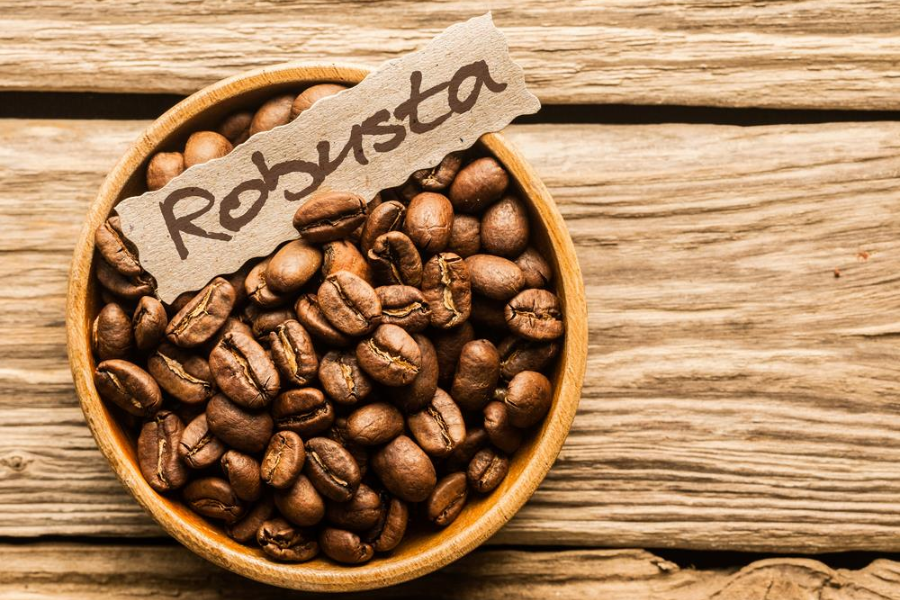
While Arabica was the first variety introduced, farmers soon discovered that Robusta beans were far better suited to the local climate. Robusta plants grew faster, yielded more beans, and were highly resistant to pests and diseases. This pivotal shift laid the foundation for Vietnam’s future dominance in the global Robusta market.
The Birth of Vietnamese Coffee Culture
During this colonial period, the foundation of Vietnamese coffee culture was established. Fresh milk was scarce and difficult to preserve in the tropical heat, leading the French and locals to use sweetened condensed milk as a substitute . This practical solution birthed the iconic flavor profile of Vietnamese coffee—a perfect balance of dark, bitter Robusta beans and thick, sweet milk.
Furthermore, the traditional French drip brewing method was adapted using local materials, resulting in the creation of the phin filter. This small metal apparatus sits atop a glass, slowly brewing a strong, concentrated cup of coffee that forces the drinker to slow down and savor the moment.
The Dark Decades: War and Economic Stagnation
The mid-20th century brought immense hardship to the Vietnamese coffee industry. By 1940, Vietnam was exporting a respectable 2,000 tons of coffee annually . However, the outbreak of the First Indochina War and the subsequent Vietnam War brought production to a near standstill. Plantations in the Central Highlands became battlegrounds, and the agricultural infrastructure was severely damaged.
Following the end of the war in 1975, the newly unified country faced a severe economic downturn. Under the centrally planned economy, coffee was considered a luxury commodity rather than a staple crop. Production remained low, and the coffee that was produced was strictly regulated by the government. For the average citizen, coffee was a rare treat, and smuggling became a common practice to bypass government controls.
The Unexpected Savior: East Germany and “Coffee Diplomacy”
One of the most fascinating and least-known chapters in the history of Vietnamese coffee involves an unlikely ally: Communist East Germany (the German Democratic Republic, or GDR).
In the late 1970s, East Germany experienced a severe “coffee crisis.” Coffee was a staple in the GDR, but a massive spike in global coffee prices left the government unable to afford imports. Facing public unrest over the lack of coffee, the East German government looked to its socialist allies for a solution .
In 1980 and 1986, East Germany and Vietnam signed a series of landmark agricultural agreements. The GDR poured tens of millions of dollars into the Vietnamese Central Highlands, specifically in Dak Lak province. They provided heavy machinery, irrigation systems, fertilizers, and even built infrastructure such as hospitals and housing for workers .
In exchange for this massive investment, Vietnam agreed to supply half of its coffee harvest to East Germany for the next 20 years. Although the fall of the Berlin Wall in 1989 meant that East Germany never fully reaped the benefits of this agreement, the massive influx of capital and technology effectively jumpstarted the modern Vietnamese coffee industry.
|
Year
|
Event in Vietnamese Coffee History
|
Impact
|
|
1857
|
French priest introduces Arabica tree
|
The beginning of coffee cultivation in Vietnam.
|
|
Early 1900s
|
Expansion to Central Highlands
|
Discovery of ideal growing conditions; shift to Robusta.
|
|
1980 & 1986
|
Treaties with East Germany
|
Massive infrastructure investment; jumpstarts modern industry.
|
|
1986
|
Đổi Mới Economic Reforms
|
Privatization of farms; explosive growth in production.
|
|
1990s
|
Vietnam becomes #2 global exporter
|
Cements Vietnam’s status as a global coffee powerhouse.
|
The “Đổi Mới” Boom: Rising to Global Dominance
The true turning point for the Robusta coffee Vietnam industry occurred in 1986 with the introduction of the Đổi Mới (Renovation) economic reforms. The government shifted from a centrally planned economy to a socialist-oriented market economy, allowing for private ownership of farms and encouraging free enterprise.
Farmers in the Central Highlands were incentivized to grow cash crops, and coffee was the most lucrative option. The results were staggering. Throughout the 1990s, Vietnamese coffee production exploded. By the end of the decade, Vietnam had surpassed Colombia to become the second-largest coffee exporter in the world, trailing only Brazil .
Today, Vietnam accounts for approximately 40% of the world’s Robusta bean production. The industry is a vital pillar of the national economy, employing over 3 million people and generating over $3 billion in export revenue annually .
The Modern Era: From Quantity to Quality
Despite its massive production volume, Vietnamese coffee long suffered from a poor international reputation. Because the focus during the Doi Moi coffee boom was strictly on yield and quantity, much of the exported coffee was used for cheap instant coffee blends and commercial syrups. Robusta was often unfairly dismissed by international coffee snobs as bitter, harsh, and inferior to Arabica.
However, the 21st century has seen a dramatic shift in the industry. A new generation of farmers, roasters, and entrepreneurs are pioneering the specialty coffee Vietnam movement. They are focusing on sustainable farming practices, careful harvesting, and precise roasting techniques to elevate the profile of Vietnamese Robusta.
This “Fine Robusta” movement is proving that when grown and processed with care, Robusta beans can offer complex flavor profiles featuring notes of dark chocolate, nuts, and even subtle fruitiness, completely challenging outdated global perceptions.
An Evolving Coffee Culture
Domestically, the coffee culture continues to evolve at a rapid pace. While the traditional phin filter remains beloved, modern cafes in Hanoi and Ho Chi Minh City are constantly innovating.
“Over the years, new styles of Vietnamese coffee have been popularized. There’s coconut coffee, yogurt coffee, banana-avocado coffee blend, and a lot more. These changes demonstrate how the Vietnamese coffee culture is continuously evolving.”
One of the most famous innovations is Egg Coffee (Cà phê trứng), created in Hanoi in 1946 during a milk shortage by whisking egg yolks with sugar to create a rich, tiramisu-like foam. More recently, Salt Coffee (Cà phê muối), originating from Hue, has taken the country by storm, blending the bitterness of coffee with the savory richness of salted cream.
Conclusion
The history of Vietnamese coffee is a testament to the resilience and adaptability of the Vietnamese people. From a single tree planted by a French missionary to a multi-billion-dollar industry shaped by war, economic reform, and Cold War diplomacy, coffee is deeply woven into the fabric of the nation.
As the industry continues to pivot toward sustainability and high-quality specialty beans, the future of Vietnamese coffee looks brighter than ever. Whether you are sipping a traditional cà phê sữa đá on a bustling street corner in Saigon or enjoying a premium single-origin Robusta pour-over in a modern cafe, you are tasting over a century of rich, unfiltered history.
