


 Tiếng Việt
Tea is one of the most consumed beverages in the world, but every country experiences tea differently. Climate, history, religion, social habits, and local agriculture have all shaped unique tea cultures across continents.
From the refined matcha ceremonies of Japan to the strong milk tea traditions of South Asia, tea is more than a drink — it is identity, hospitality, ritual, and daily life.
China – The Birthplace of Tea Culture
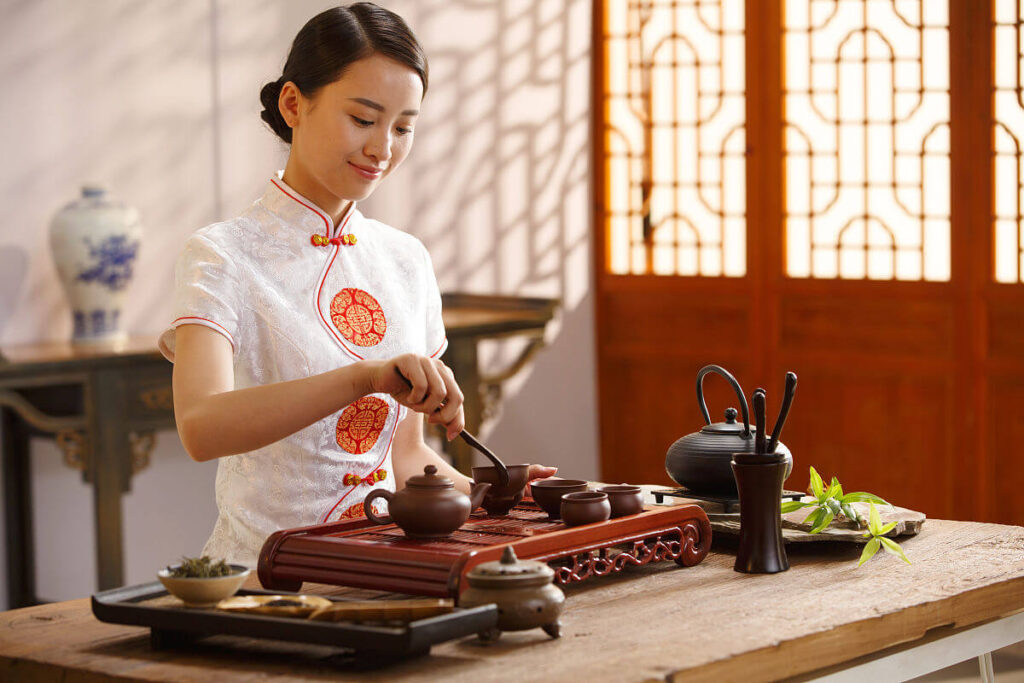
China is widely considered the birthplace of tea, with a history stretching back thousands of years. Chinese tea culture focuses on balance, aroma, aftertaste, and mindfulness.
Popular teas:
- Green Tea (Longjing, Biluochun)
- Oolong Tea (Tieguanyin, Da Hong Pao)
- Pu-erh Tea
- White Tea
Why Chinese people prefer these teas:
China’s tea philosophy values complexity and natural flavor evolution. Oolong teas are appreciated for their layered floral aroma and long-lasting sweetness, while green teas are admired for freshness and purity.
Tea drinking in China is often connected to:
- Traditional medicine
- Spiritual calmness
- Hospitality
- Social connection
The Gongfu tea ceremony reflects precision, patience, and respect for tea craftsmanship.
Japan – Simplicity, Harmony & Matcha
Japanese tea culture is deeply influenced by Zen Buddhism and the concept of minimalism.
Popular teas:
- Matcha
- Sencha
- Gyokuro
- Hojicha
Why Japan loves green tea:
Japan traditionally values freshness, umami, and clean vegetal notes. Matcha became central to Japanese culture because tea ceremonies emphasize discipline, silence, and harmony.
Unlike many countries that prefer strong black tea, Japanese consumers generally favor:
- Light body
- Clean finish
- Delicate aroma
- Lower bitterness
Tea is associated with:
- Meditation
- Focus
- Healthy living
- Aesthetic lifestyle

United Kingdom – The Tradition of Black Tea
Tea became part of British daily life during the 17th century and eventually evolved into the famous “Afternoon Tea” culture.
Popular teas:
- English Breakfast Tea
- Earl Grey
- Assam blends
- Black tea with milk
Why black tea dominates:
The UK’s colder climate and historical colonial trade routes contributed to the popularity of strong black tea. Adding milk softens bitterness and creates a richer mouthfeel.
Tea in British culture represents:
- Comfort
- Conversation
- Social etiquette
- Daily routine
For many British households, tea is consumed multiple times per day.

India – Bold Flavors & Chai Culture
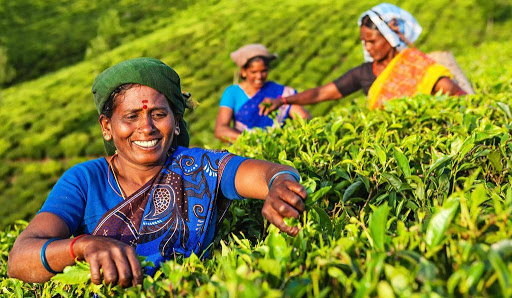
India is one of the world’s largest tea producers and consumers. Tea is energetic, flavorful, and strongly integrated into everyday street culture.
Popular teas:
- Assam Black Tea
- Darjeeling Tea
- Masala Chai
Why India prefers strong tea:
Indian tea culture favors bold flavors and high extraction. Masala chai combines black tea with milk, sugar, ginger, cardamom, cinnamon, and cloves.
Tea serves as:
- Morning energy
- Street beverage
- Social bonding
- Hospitality
Unlike East Asian tea traditions that emphasize subtlety, Indian tea culture celebrates intensity and warmth.
Morocco – Mint Tea & Hospitality
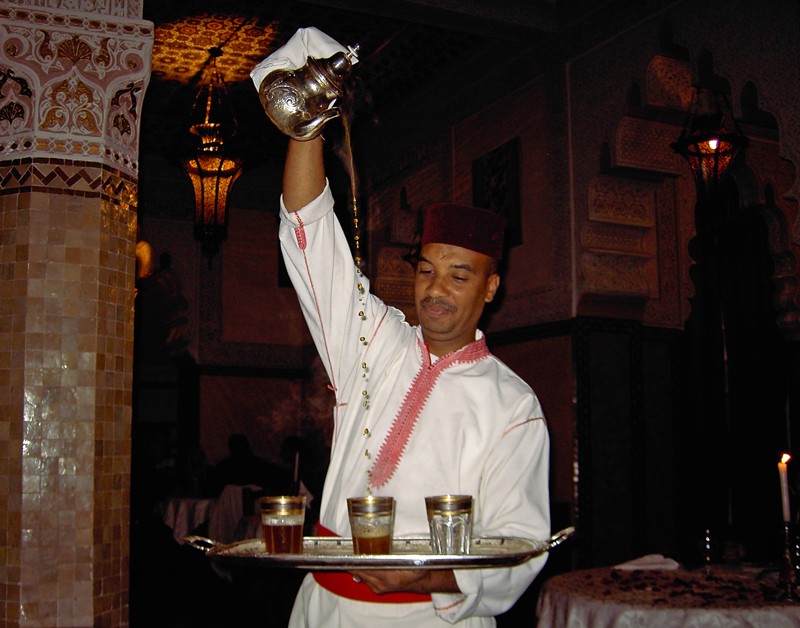
Moroccan mint tea is one of the most recognizable tea traditions in North Africa.
Popular tea:
- Green tea with fresh mint and sugar
Why it became popular:
The hot climate made mint tea refreshing, while strong sweetness symbolized generosity and welcome.
In Moroccan culture:
- Tea is offered to guests immediately
- Pouring tea is considered an art
- Hospitality is deeply tied to tea rituals
Tea represents friendship and respect.
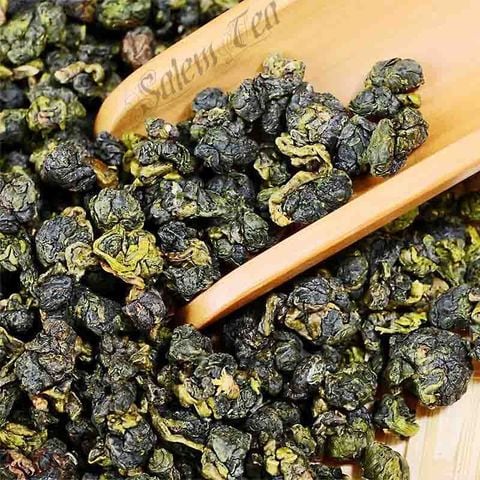
Taiwan – The Art of High Mountain Oolong
Taiwan is globally respected for premium oolong tea production.
Popular teas:
- High Mountain Oolong
- Milk Oolong
- Oriental Beauty
Why Taiwanese tea is special:
Taiwan’s mountainous terrain, misty climate, and skilled processing create teas with:
- Floral aroma
- Creamy texture
- Sweet aftertaste
- Exceptional smoothness
Taiwanese consumers value tea craftsmanship and terroir similarly to wine culture.
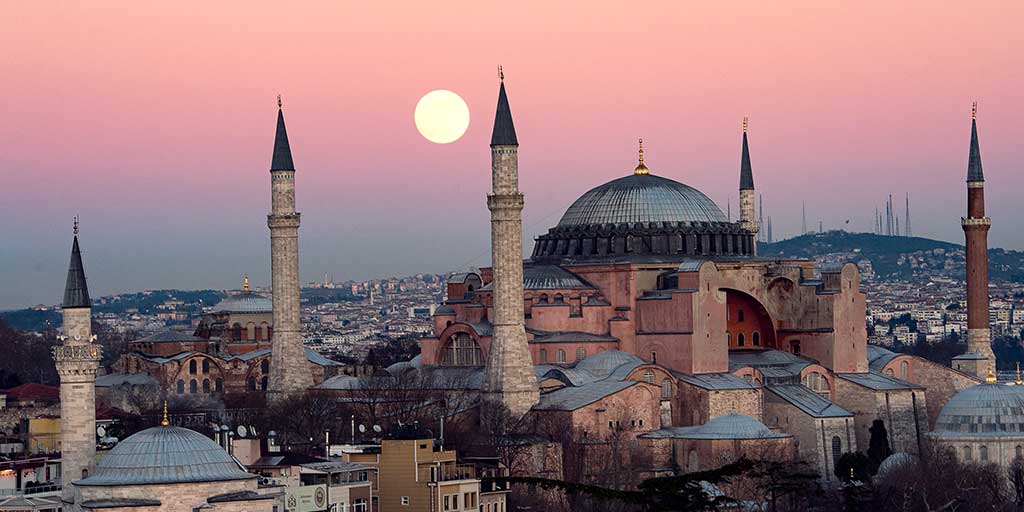
Turkey – One of the World’s Highest Tea Consumers
Turkey has one of the highest per-capita tea consumption rates globally.
Popular tea:
- Strong black tea served in tulip-shaped glasses
Why tea became dominant:
Tea replaced coffee in many households during the 20th century because it was more affordable and locally cultivated.
Turkish tea culture emphasizes:
- Community
- Long conversations
- Daily social rituals
Tea is consumed throughout the day, often without ceremony but with strong emotional importance.
Vietnam – Tea Connected to Mountains & Nature
Vietnamese tea culture combines simplicity, tradition, and natural flavor appreciation.
Popular teas:
- Shan Tuyet Tea
- Jasmine Tea
- Green Tea
- Lotus Tea
- Oolong Tea
Shan Tuyet Tea – The Treasure of Ancient Tea Trees
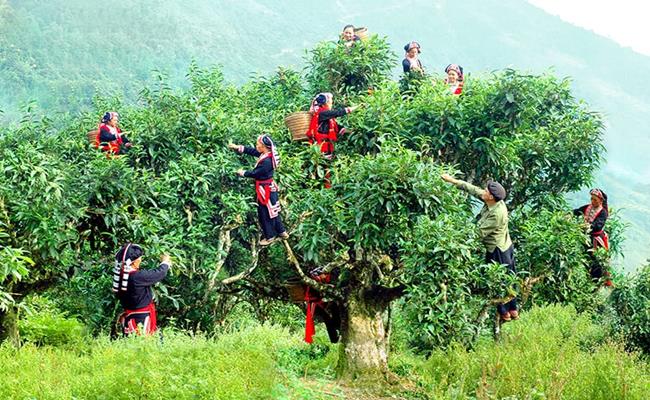
Shan Tuyet tea comes from ancient wild tea trees growing in the high mountains of Northern Vietnam.
Why it is unique:
- Tea buds covered in white “snow-like” hairs
- Honey-like sweetness
- Deep mountain aroma
- Rich mineral character
These ancient trees can live for hundreds of years and are harvested by ethnic minority communities in remote mountainous regions.
Jasmine Tea in Vietnamese Culture
Vietnamese jasmine tea is loved for:
- Elegant floral aroma
- Relaxing character
- Smooth sweetness
It is commonly served:
- During family gatherings
- After meals
- When welcoming guests
Vietnamese tea culture values balance and natural aftertaste rather than overwhelming intensity.
? Why Tea Preferences Differ Around the World
Tea preferences are shaped by many factors:
Climate
Cold countries often prefer stronger black tea, while warmer regions favor lighter green tea.
History & Trade
Colonial trade routes heavily influenced tea habits in Europe, South Asia, and the Middle East.
Religion & Philosophy
Zen Buddhism shaped Japanese tea culture, while traditional Chinese medicine influenced Chinese tea consumption.
Lifestyle
Fast-paced urban cultures may prefer tea bags or milk tea, while traditional societies preserve ceremonial tea preparation.
Tea as a Global Cultural Language
Although tea styles vary dramatically across countries, tea always serves a similar human purpose:
- Bringing people together
- Creating moments of calm
- Expressing hospitality
- Preserving tradition
Whether it is a cup of Vietnamese Shan Tuyet tea in the mountains, British afternoon tea, or Moroccan mint tea shared with guests, tea remains one of the world’s most meaningful cultural beverages.
? Every tea tells the story of a people, a climate, and a way of life.
