


 Tiếng Việt
Vietnam is one of the world’s leading pepper exporters, supplying black pepper and white pepper to global food manufacturers, spice brands, wholesalers, and industrial buyers.
In international pepper trading, product quality is not evaluated by appearance alone. Buyers and suppliers typically classify pepper based on several technical indicators such as density, size, processing method, cleanliness, moisture, and export specifications.
Understanding these grading systems helps importers choose suitable products for different commercial applications while ensuring stable quality and compliance with international requirements.
1. Pepper Classification by Density (Bulk Density)
Density is one of the most important indicators in pepper trading. It reflects bean maturity, filling rate, and overall product quality.
Density is commonly measured in grams per liter (g/L).
Common Density Grades
| Grade | Density | Typical Quality |
|---|---|---|
| FAQ | ~450–500 g/L | Commercial standard |
| 500 GL | ≥500 g/L | Medium quality |
| 550 GL | ≥550 g/L | Export quality |
| 570 GL | ≥570 g/L | Premium export |
| 580 GL | ≥580 g/L | High-density premium |
| 600 GL+ | ≥600 g/L | Specialty / high-end market |
Why Density Matters
Higher density pepper generally offers:
- Better maturity
- Higher essential oil content
- Stronger aroma
- Lower percentage of lightweight berries
- More stable grinding performance
Low-density pepper may contain immature berries, resulting in weaker flavor and lower commercial value.
? In most international markets, 550 GL and above are preferred for industrial processing and branded spice products.
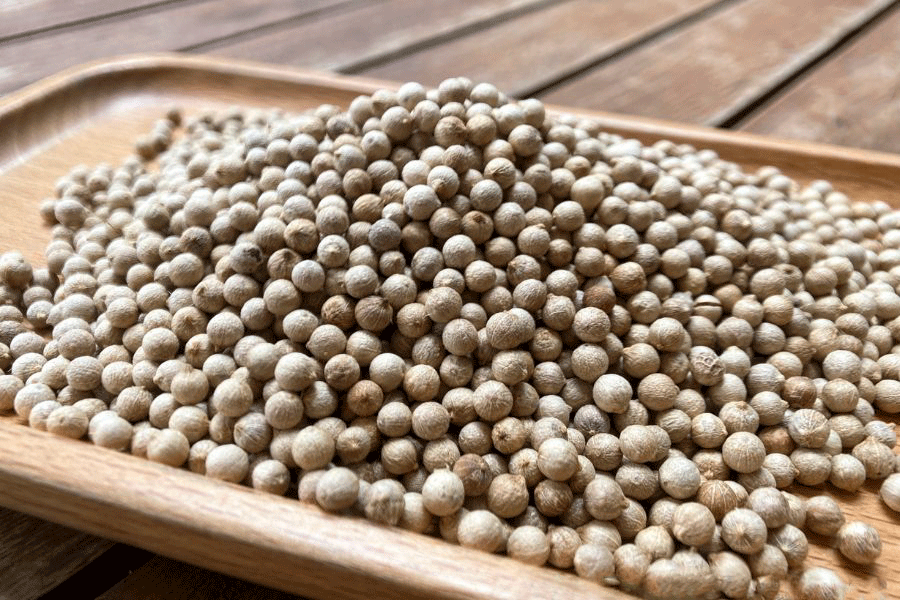
2. Pepper Classification by Size
Pepper size is another important grading factor, especially for appearance-sensitive markets and premium retail packaging.
Size is usually measured through sieving systems.
Typical Size Grades
| Grade | Description |
|---|---|
| Small | <3 mm |
| Medium | 3–4 mm |
| Large | 4–5 mm |
| Bold | >5 mm |
Commercial Importance of Size
Larger peppercorns are typically associated with:
- Better visual appearance
- Higher maturity
- Stronger flavor retention
- Improved grinding consistency
Smaller peppercorns are commonly used in:
- Industrial grinding
- Spice blending
- Low-cost commercial applications
? European and premium retail markets generally prefer larger and more uniform peppercorns.
3. Pepper Classification by Processing Method
Processing method significantly affects flavor profile, appearance, cleanliness, and commercial positioning.
Black Pepper
Black pepper is produced by harvesting pepper berries before full ripeness and drying them naturally.
Main Processing Types
Sun-Dried Black Pepper
Traditional drying under sunlight.
Characteristics:
- Natural appearance
- Strong aroma
- Cost-effective processing
Machine-Dried Black Pepper
Uses controlled drying systems.
Advantages:
- More stable moisture control
- Better food safety consistency
- Reduced contamination risk
Steam Sterilized Pepper
Processed with steam treatment to reduce microbial load.
Suitable for:
- EU markets
- USA food manufacturers
- High food safety applications
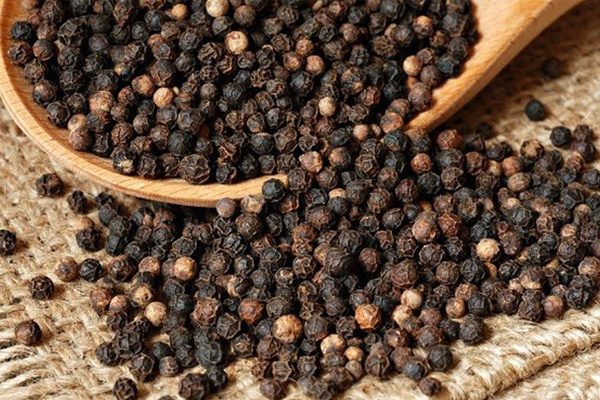
White Pepper
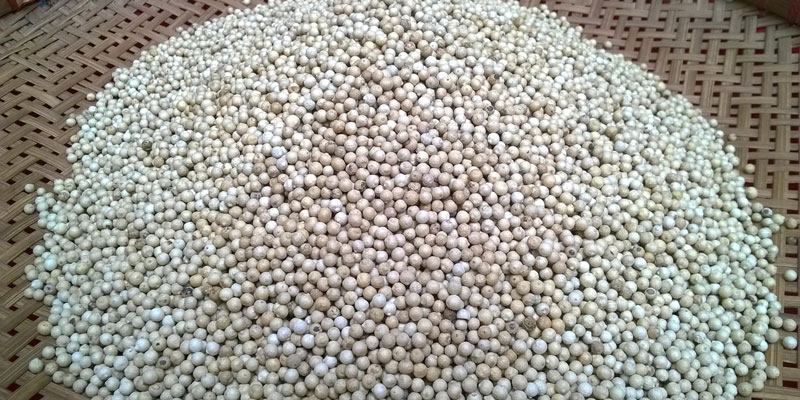
White pepper is produced by removing the outer black husk after soaking ripe berries.
Characteristics
- Cleaner appearance
- Milder flavor
- Higher processing cost
- Preferred in light-colored food products
White pepper is widely used in:
- Sauces
- Processed foods
- Premium seasoning products
4. Pepper Classification by Cleanliness
Export pepper is also graded according to cleaning level and foreign matter content.
Typical Commercial Grades
| Grade | Description |
|---|---|
| FAQ | Fair Average Quality |
| Cleaned | Mechanically cleaned |
| Double Cleaned | Advanced cleaning process |
| ASTA Quality | Compliant with ASTA standards |
Importance of Cleaning
Higher cleaning standards help reduce:
- Dust
- Stones
- Stalks
- Foreign materials
- Microbial contamination risks
? ASTA-quality pepper is commonly required by international food manufacturers.
5. Moisture Content Standards
Moisture is critical for shelf life and export stability.
Typical Export Moisture
| Product | Moisture Standard |
|---|---|
| Black Pepper | ≤12.5% |
| White Pepper | ≤12.5% |
Excess moisture may cause:
- Mold growth
- Color deterioration
- Microbial risks
- Shipment rejection
Professional exporters therefore apply strict moisture control before shipment.
6. Microbiological & Food Safety Standards
Modern pepper buyers increasingly focus on food safety compliance.
Common Requirements
- Salmonella free
- Low Total Plate Count
- Low mold & yeast levels
- Pesticide residue compliance
- Heavy metal control
Common International Standards
- ASTA
- HACCP
- ISO
- FDA compliance
- EU food safety regulations
Steam sterilization is often used to help meet these requirements.
7. Choosing the Right Pepper Grade for Different Applications
| Application | Recommended Grade |
|---|---|
| Retail whole pepper | 570–600 GL |
| Spice grinding | 500–550 GL |
| Industrial seasoning | FAQ / 500 GL |
| Premium food products | ASTA / Steam Sterilized |
| Food manufacturing | Cleaned or Double Cleaned |
Selecting the proper specification helps optimize both product performance and cost efficiency.
8. Vietnam’s Position in the Global Pepper Market
Vietnam remains the world’s leading pepper exporter thanks to:
- Large production capacity
- Competitive pricing
- Stable export infrastructure
- Diverse grading options
- Professional processing systems
Vietnamese pepper is widely supplied to:
- EU
- USA
- Middle East
- Asia
- Global food manufacturers
Conclusion
Pepper grading involves much more than visual appearance. Density, size, processing method, moisture control, and food safety standards all play critical roles in determining commercial value and suitability for different markets.
For international B2B buyers, understanding these classifications helps ensure better sourcing decisions, stable product quality, and compliance with import requirements.
At Nam Son Co., Ltd., we support global buyers with stable pepper sourcing, export-standard processing, and flexible bulk supply solutions for various international applications.
FAQ
What does 550 GL or 570 GL mean in black pepper?
550 GL and 570 GL refer to the bulk density of black pepper measured in grams per liter (g/L). Higher GL indicates denser, heavier, and generally higher-quality pepper with better maturity and stronger aroma.
Why is bulk density important in pepper exports?
Bulk density affects flavor strength, oil content, roasting or grinding performance, and overall commercial value. Higher-density pepper is preferred for premium food processing and export markets.
What is the difference between black pepper and white pepper?
Black pepper is produced from unripe pepper berries dried with the outer skin intact, while white pepper is made by removing the outer skin after soaking ripe berries. White pepper has a milder flavor and cleaner appearance.
What is steam sterilized pepper?
Steam sterilized pepper is treated with high-temperature steam to reduce microbial contamination such as Salmonella. This process helps meet strict food safety standards required by the EU, USA, and international food manufacturers.
What moisture level is acceptable for export pepper?
Most export markets require moisture content at or below 12.5% to reduce the risk of mold, quality deterioration, and shipment rejection.
What is ASTA quality pepper?
ASTA quality refers to pepper processed according to standards established by the American Spice Trade Association (ASTA), including cleanliness, microbiological safety, and product consistency.
Which pepper grade is best for industrial grinding?
Commercial grinding applications commonly use FAQ, 500 GL, or 550 GL black pepper depending on the required flavor intensity and cost target.
Which pepper grade is suitable for premium retail packaging?
Higher-density grades such as 570 GL and 600 GL are generally preferred for premium whole pepper retail products due to their larger size, stronger aroma, and better appearance.
Does Vietnam produce high-quality black pepper?
Yes. Vietnam is the world’s largest pepper exporter and supplies a wide range of export-grade black and white pepper products with competitive pricing and stable global supply.
Can Nam Son provide customized pepper specifications?
Yes. Nam Son Co., Ltd. supports customized specifications based on buyer requirements, including bulk density, cleaning level, moisture, packaging, and sterilization options.
