

 Tiếng Việt
1. Overview of Quality Control System
In agricultural export operations, a structured Quality Control (QC) system is essential to ensure:
- batch-to-batch consistency
- food safety risk control
- compliance with international import requirements (EU, USA, Middle East)
At Nam Son, the QC system is implemented as an end-to-end control framework, covering the entire supply chain from raw material sourcing to final shipment.
2. Standards and Control Framework
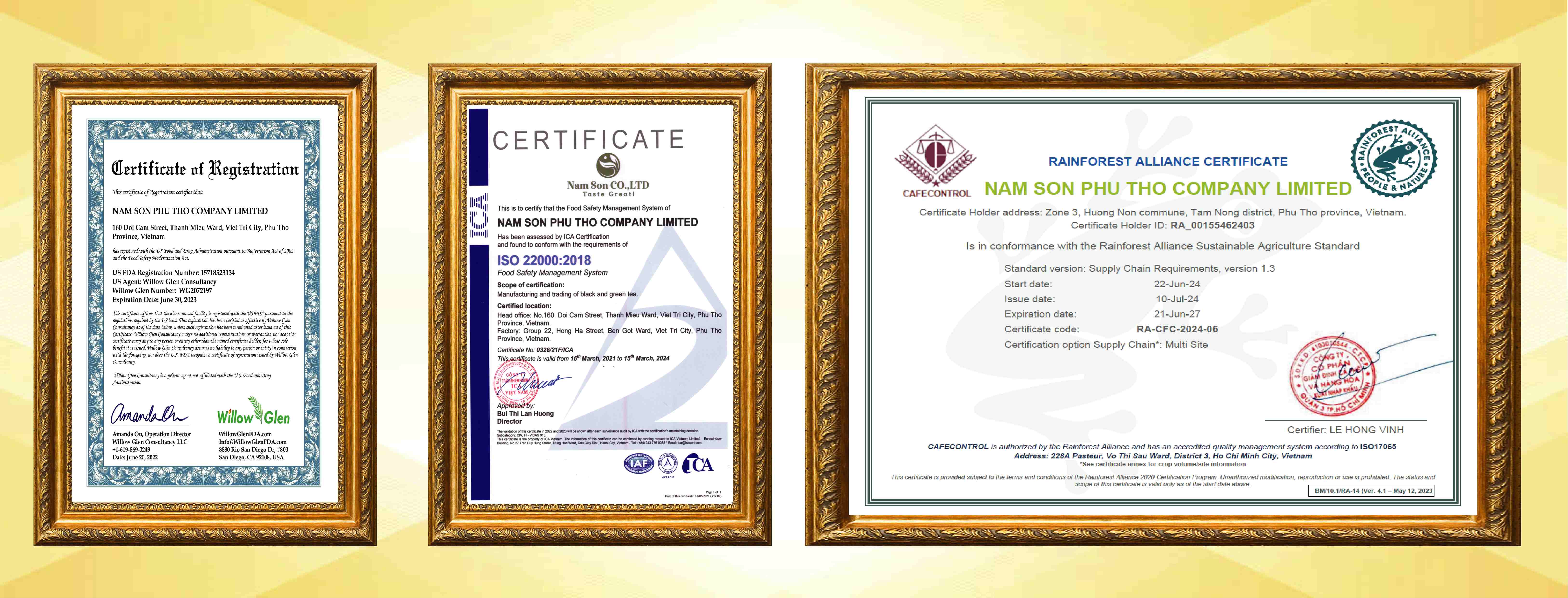
The quality control system at Nam Son is developed based on internationally recognized frameworks, including:
- ISO 22000 – Management System
- HACCP – Hazard Analysis and Critical Control Points
- Buyer-specific technical specifications
According to the Food and Agriculture Organization, effective quality control and traceability systems are critical to ensuring food safety and reducing risks in global trade.
3. End-to-End Quality Control Structure
Quality is controlled at four critical stages:
3.1 Raw Material Sourcing Control
- Sourcing from verified farming regions in Vietnam
- Supplier evaluation and selection based on internal criteria
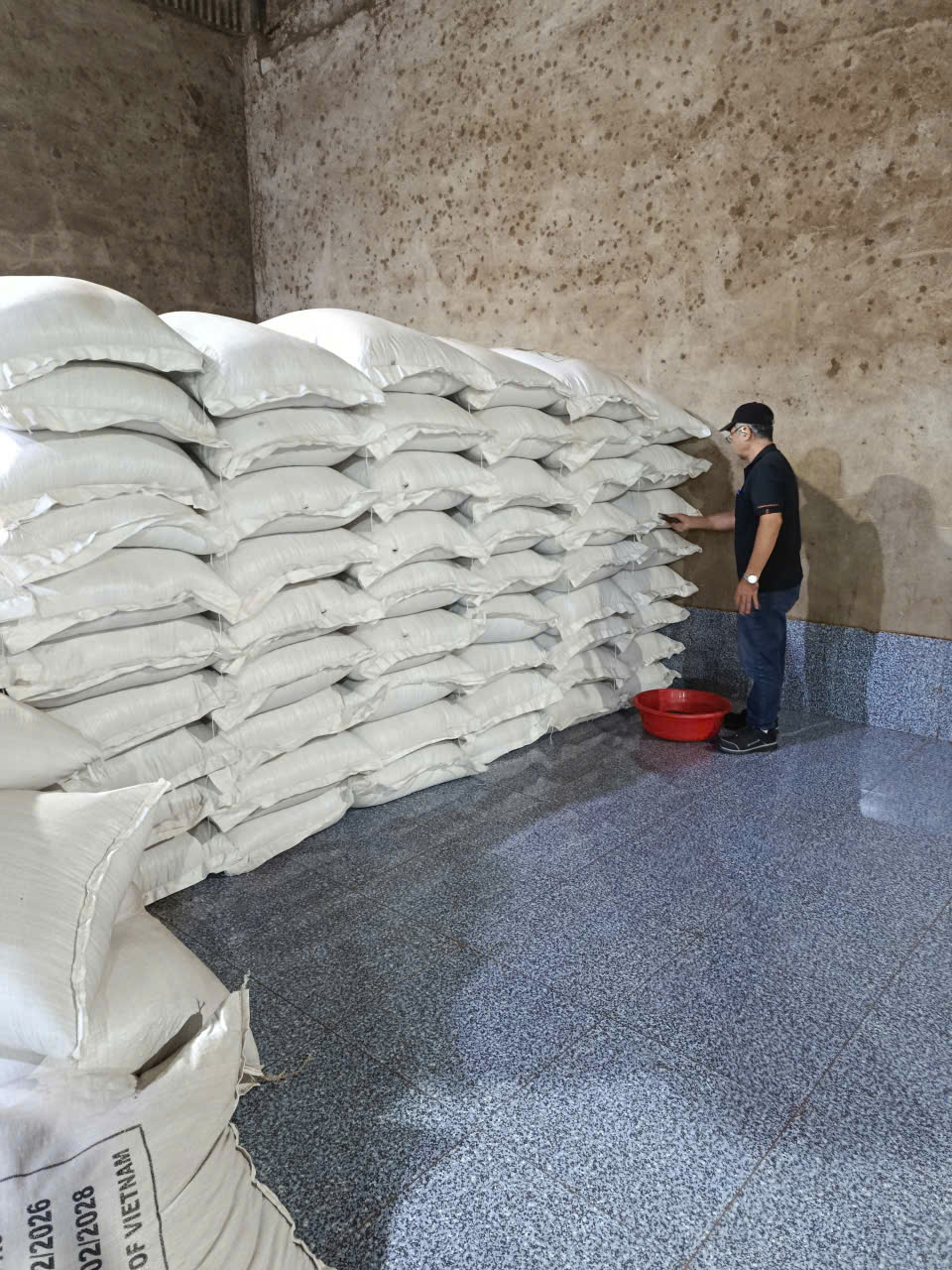
- Incoming raw material inspection before acceptance
Control objective: Ensure input quality stability and traceability
3.2 Processing and Grading Control
During processing, products are subject to:
- cleaning and removal of foreign matter
- grading by size and classification
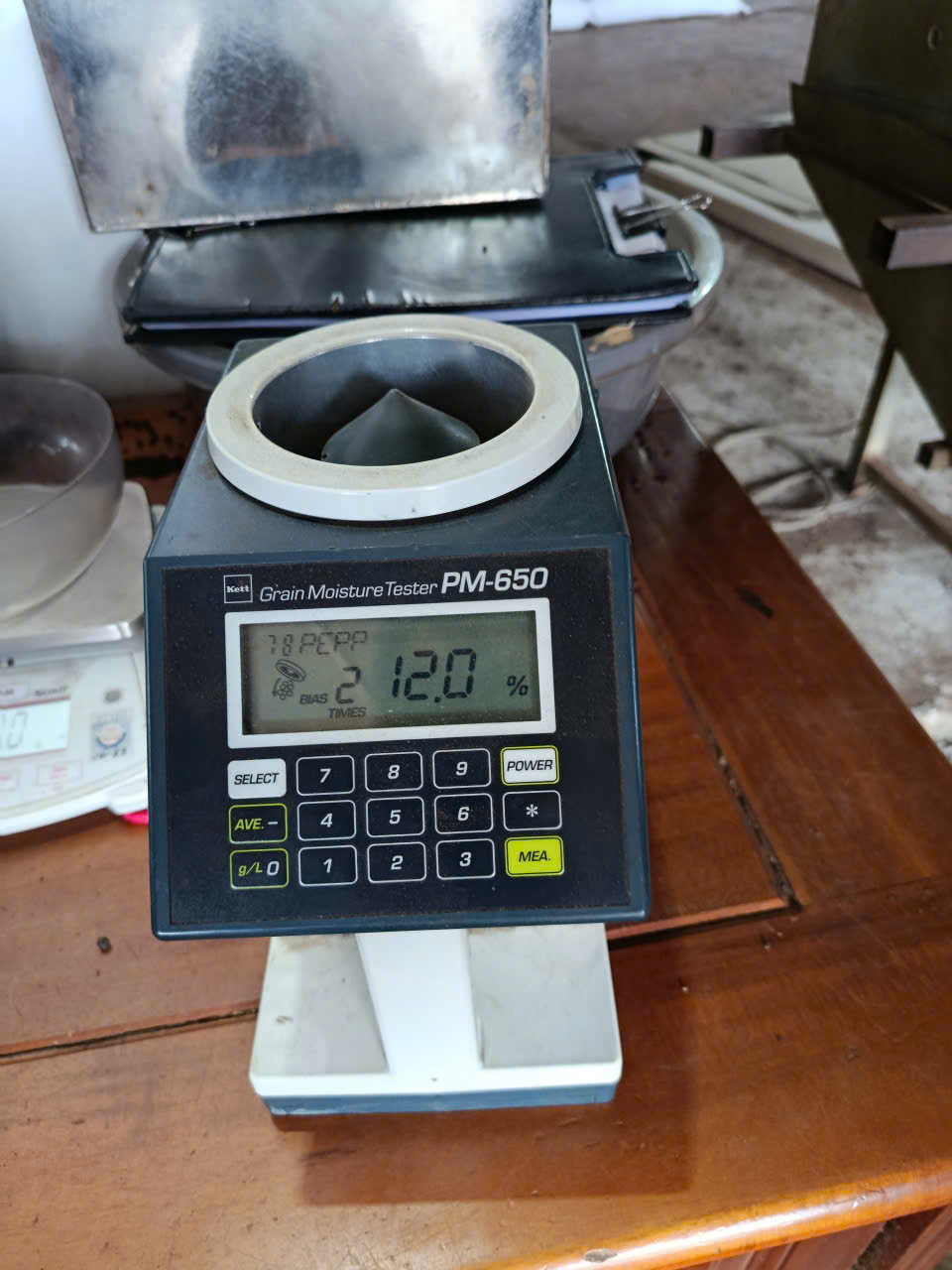
- moisture control within defined limits
Key control parameters:
- Moisture content
- Foreign matter ratio
- Defect rate (black, broken, etc.)
Control objective: Maintain uniformity and compliance with export specifications
3.3 Laboratory Testing and Quality Verification
Laboratory testing is conducted using standardized methods to verify:
- moisture content
- foreign matter
- defect ratio
- physical characteristics (size, color, uniformity)
Control objective: Ensure technical compliance with buyer specifications and international standards

3.4 Pre-Shipment Inspection
Before shipment, each batch undergoes final inspection, including:
- verification of product specifications
- packaging integrity check
- labeling and documentation review
Control objective: Ensure shipment readiness and compliance with contractual requirements
4. Third-Party Inspection and Independent Verification
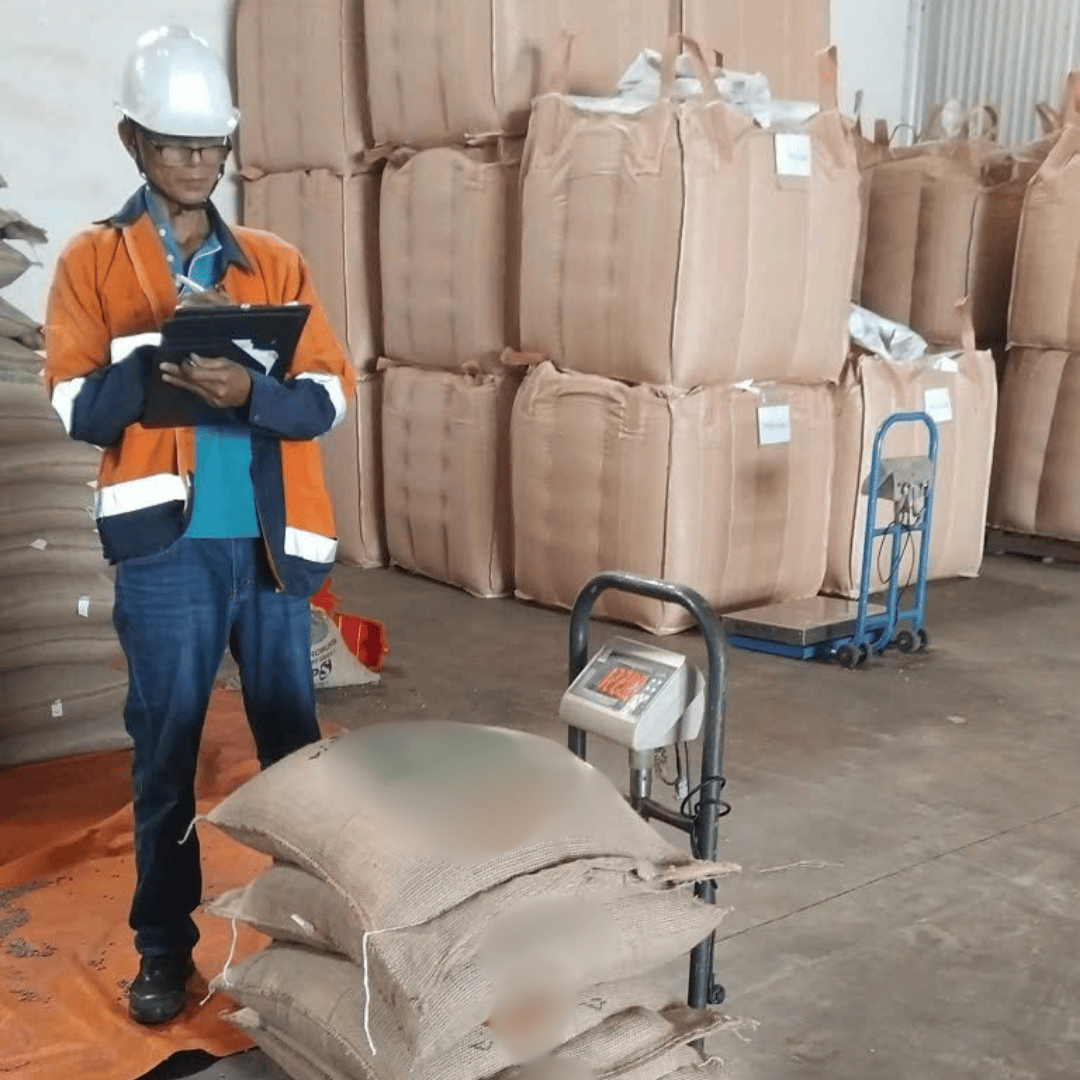
To enhance transparency and credibility, Nam Son cooperates with globally recognized inspection organizations such as SGS and Café Control.
These independent inspection partners verify product quality prior to shipment, ensuring compliance with agreed specifications and international standards.
Scope of inspection typically includes:
- verification of product specifications (moisture, defects, grading)
- inspection of packaging condition and labeling
- sampling and laboratory testing
- issuance of inspection certificates
Control objective: Provide objective, third-party validation and increase buyer confidence
5. Compliance with International Food Safety Standards
Nam Son’s operations are aligned with:
- ISO 22000: systematic food safety management
- HACCP: identification and control of critical risks
These systems ensure:
- preventive risk management
- process standardization
- continuous quality monitoring
6. Quality Control Benefits for Buyers
By implementing a structured QC system and cooperating with third-party inspection bodies, Nam Son provides:
- consistent product quality across shipments
- reduced risk in international transactions
- independent inspection verification (SGS / Café Control)
- compliance with import regulations
- reliable documentation and traceability
This enables importers and distributors to operate with higher confidence and lower operational risk.
7. Conclusion
A strict and well-structured quality control process is fundamental in agricultural export.
With an end-to-end QC system and cooperation with trusted third-party inspection organizations such as SGS and Café Control, Nam Son ensures that every shipment meets international standards and buyer specifications.
We are committed to delivering consistent quality and supporting long-term partnerships with global buyers.
