


 Tiếng Việt
Why is tea considered a healthy beverage?
Tea is considered a healthy beverage due to its powerful effects such as anti-inflammatory, antioxidant, relaxing, metabolism-boosting, and digestive support. It also helps increase alertness, improve mood, and enhance concentration.
Furthermore, the habit of drinking tea contributes to reducing the risk of type 2 diabetes and cardiovascular diseases thanks to its ability to regulate blood vessel function and lower bad cholesterol. In particular, the antioxidants in tea also help protect cells, contributing to preventing aging and reducing the risk of cancer. With the benefits mentioned above, consuming various types of tea can be an effective method to maintain and improve health.
List of types of tea that are good for human health.
Some healthy teas include green tea, black tea, oolong tea, chamomile tea, etc. Below is a list of healthy teas recognized by both traditional and modern medicine:
1. Green tea
Among the delicious and healthy teas , green tea is an indispensable choice thanks to its abundant content of catechins – a group of powerful antioxidants. Catechins in green tea protect cells from damage, improve blood lipid levels, and help reduce inflammation, thereby potentially contributing to a reduced risk of diseases such as type 2 diabetes and cardiovascular diseases (atherosclerosis, hypertension, stroke).
2. Black tea
Theaflavins and thearubigins in black tea help improve blood circulation, lower bad cholesterol, and regulate blood pressure, reducing the risk of cardiovascular disease and stroke. Additionally, thanks to its natural caffeine content, black tea boosts energy, maintains alertness, and enhances concentration. Importantly, this type of tea has been shown to improve digestion, reduce the risk of diarrhea, and protect gut health.
3. White tea
According to research , white tea may contain more antioxidants than green tea but have a lower caffeine content. Therefore, white tea not only helps protect cells from free radical damage, supports cardiovascular health, and boosts the immune system, but also provides a gentle sense of alertness without overstimulating the nervous system. This makes it an ideal choice for those sensitive to caffeine who still want to enjoy the benefits of tea.
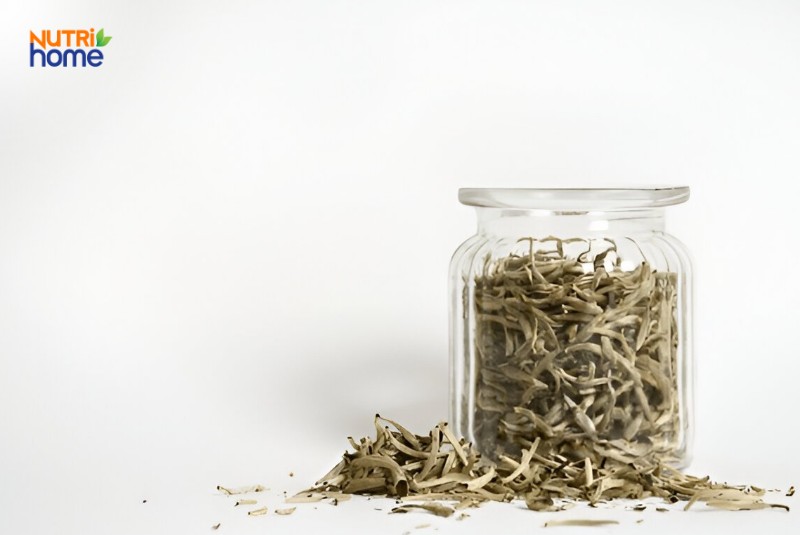
Tea is rich in antioxidants and low in caffeine.
4. Oolong Tea
According to research , thanks to its natural antioxidant and antibacterial compounds, oolong tea can help inhibit the growth of bacteria in the oral cavity, reducing the risk of cavities and gingivitis. Therefore, it may be a suitable option for those who care about oral health and want to maintain a healthy smile and fresh breath naturally.
5. Chamomile Tea
Chamomile tea is one of the healthiest herbal teas , especially suitable for those sensitive to stimulants as it contains no caffeine. Thanks to this characteristic, along with its high content of apigenin – a flavonoid with mild sedative effects – chamomile tea helps relax the mind, supports improved sleep, and provides a feeling of calm and comfort.
6. Peppermint tea
Similar to chamomile tea, peppermint tea is caffeine-free, helping to improve mood and support sleep. Additionally, this tea helps relieve stomach pain thanks to menthol – a compound that relaxes smooth muscles in the digestive system, reducing spasms and discomfort. Therefore, peppermint tea is an ideal choice for those with stomach pain or problems such as bloating and indigestion, helping to soothe the stomach and provide a feeling of comfort.
7. Ginger tea
Thanks to compounds like gingerol and shogaol, ginger tea not only helps warm the body but also has a positive effect on the digestive system, helping to reduce bloating and indigestion and stimulating more efficient digestion.
In particular, ginger tea is known for its ability to keep the body warm, helping to improve sleep quality. Therefore, it can be a healthy tea , suitable for those who want to boost their digestive system and improve sleep.
8. Artichoke tea
The components in artichokes, such as cynarin and silymarin, not only play an important role in nourishing and protecting liver cells but also offer many other health benefits. Specifically, these compounds help reduce bad cholesterol (LDL) and increase good cholesterol (HDL), thereby improving cardiovascular health. In addition, the abundant fiber content in artichokes supports the digestive system, helping to prevent constipation and effectively control weight.

Artichoke tea can help control blood lipids.
9. Rooibos tea (South African red tea)
Rooibos tea, also known as South African red tea, is one of the healthiest herbal teas . It’s caffeine-free, making it particularly suitable for those sensitive to stimulants and experiencing sleep problems. Thanks to its high content of antioxidants like aspalathin and quercetin, this tea helps protect cells from free radical damage, slows down the aging process, and contributes to maintaining healthy, youthful skin.
10. Hibiscus tea
Hibiscus tea is one of the healthiest teas due to its high antioxidant content, which helps protect cells from free radical damage and slows down the aging process. In addition, this tea supports cardiovascular health by lowering blood pressure, controlling cholesterol, and improving blood circulation. Especially with its ability to boost metabolism and prevent excess fat accumulation, this tea also contributes to effective weight loss.
11. Kombucha
Thanks to its high content of beneficial probiotics, kombucha helps balance the gut microbiome, thereby improving digestion, enhancing nutrient absorption, and improving sleep quality.
Furthermore, this type of tea also supports the body in detoxifying more effectively through the liver, thanks to its enzymes and organic acids such as acetic acid and glucuronic acid. With its unique and easy-to-drink flavor, kombucha is not only a healthy tea but also a relaxing beverage suitable for many people, helping the body feel refreshed and energized.
12. Pu-erh Tea
Pu-erh tea is a traditional fermented Chinese tea. Thanks to its special fermentation process, Pu-erh tea helps lower bad cholesterol (LDL) and increase good cholesterol (HDL), thereby contributing to cardiovascular health and reducing the risk of heart disease. In addition, Pu-erh tea supports the digestive system, helping to reduce the incidence of digestive problems that cause stress and affect sleep, providing a feeling of relaxation and well-being.
13. Matcha tea
L-theanine and the natural caffeine in matcha have also been shown to help relax the mind, improve sleep quality, and provide a feeling of alertness without the stress or anxiety associated with coffee. Therefore, it could be an ideal choice for those seeking a coffee alternative that helps maintain energy while promoting mental relaxation.
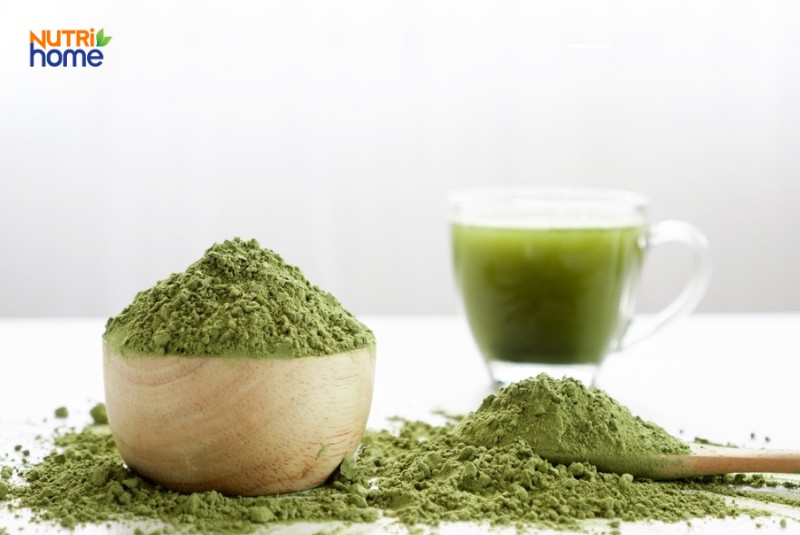
Matcha tea helps to gently awaken the body.
14. Lotus leaf tea
Thanks to its natural flavonoids and alkaloids, lotus leaf tea can promote fat metabolism, prevent excess fat accumulation, and effectively support weight management. In addition, this tea helps regulate cholesterol, reduce blood fat, thereby protecting cardiovascular health and reducing the risk of atherosclerosis and high blood pressure. With these benefits, lotus leaf tea is an ideal choice on the list of delicious and healthy teas .
15. Houttuynia cordata tea
The essential oil in Houttuynia cordata contains the compound decanonyl acetaldehyde, which has antibacterial properties, helps prevent urinary tract infections, and improves digestion. In addition, Houttuynia cordata tea is beneficial for health due to its flavonoids and polyphenols, antioxidants that help reduce inflammation and protect cells from free radical damage. Furthermore, drinking Houttuynia cordata tea promotes diuresis, facilitating the elimination of toxins through the kidneys and helping to alleviate symptoms of internal heat.
16. Red date and goji berry tea
Red dates are rich in antioxidants, vitamin C, and saponins, which help detoxify the body, improve blood circulation, and promote restful sleep. Meanwhile, goji berries contain many carotenoids and polyphenols, which protect the eyes, enhance vision, and slow down the aging process. The combination of red dates and goji berries can help boost immunity and support overall health. Therefore, red date and goji berry tea is a worthwhile addition to any healthy tea .
17. Turmeric Tea
Curcumin in turmeric is a compound with powerful anti-inflammatory properties, helping to reduce inflammation and protect the body from free radical damage. Therefore, turmeric tea not only helps slow down the aging process but also contributes to cancer prevention and supports the treatment of inflammatory diseases such as hepatitis and arthritis. With these benefits, turmeric tea deserves to be considered among the list of healthy teas .
Is drinking tea every day good for you?
Drinking tea daily can offer many health benefits. Specifically, maintaining the habit of drinking one cup of tea (237ml) per day may help reduce the risk of cardiovascular disease, stroke, and death from chronic diseases.
However, the appropriate amount of tea can vary depending on each person’s health condition. In particular, those with stomach problems, cardiovascular disease, anemia, pregnant or breastfeeding women, and those sensitive to caffeine should carefully consider their intake. Therefore, although drinking tea daily is good for your health, you should still consult a healthcare professional to adjust the amount of tea that suits your body.

Drinking tea in moderation every day can offer many health benefits.
How to prepare and use tea for maximum effectiveness.
To maximize the benefits of drinking tea, in addition to choosing healthy teas , you also need to pay attention to the following principles of brewing and using tea:
- Tea brewing principles: To preserve the nutritional value of tea, you should brew it at a temperature of approximately 70-100°C for 3-5 minutes. Avoid using water that is too hot, as this can reduce the antioxidant content and make the tea taste bitter and unpleasant.
- Timing of tea drinking: Drinking tea at different times of the day has different effects:
- Morning: Drinking tea after breakfast helps the body wake up and boosts metabolism, but avoid drinking it on an empty stomach to prevent stomach irritation;
- Afternoon: A cup of tea in the mid-afternoon helps maintain alertness, reduce stress, and improve work performance.
- Evening: You should choose caffeine-free herbal teas such as chamomile, peppermint, or houttuynia cordata tea to help relax and support sleep.
- Things to note when pairing tea with other foods: To harmoniously combine tea with your daily diet, you need:
- Avoid drinking tea immediately after meals: The tannins in tea can interfere with the absorption of iron from food, especially from green vegetables and red meat. Therefore, you should drink tea at least 30-60 minutes after a meal.
- Avoid mixing tea with too much milk: Milk can reduce the antioxidant effects of tea, especially green tea;
- Avoid drinking tea with medication: Some components in tea can interfere with the absorption of medications, especially iron supplements, sedatives, and medications for cardiovascular diseases.
- Choosing quality tea: When selecting tea, you should prioritize organic teas with clear origins, free from preservatives and heavy metal contamination or pesticides. Additionally, quality teas typically have a natural color, a pure aroma, and are free from mold or strange odors.
Consuming tea can offer many health benefits, including for the nervous system. However, if you experience conditions such as persistent headaches, dizziness, prolonged insomnia, difficulty concentrating, constant anxiety, stress, or unease, it is crucial to see a doctor to promptly identify the cause and receive appropriate treatment.
The Department of Neurology at Tam Anh General Hospital System is a reputable institution specializing in the examination, diagnosis, and treatment of diseases related to the central nervous system, peripheral nervous system, and autonomic nervous system.
With a team of experienced specialists and a system of modern medical equipment, such as 1.5-3 Tesla MRI machines, 1975-slice CT scanners, and polysomnography machines, the hospital is committed to providing high accuracy in diagnosing the causes of neurological problems such as headaches, insomnia, and difficulty concentrating, thereby developing appropriate and effective treatment plans.
