


Green tea, also known as matcha, is widely used for its health benefits such as supporting cardiovascular health, improving memory, protecting bones and joints, and caring for the skin.
According to Dr. Nguyen Thu Ha, a specialist at FPT Long Chau Pharmacy System, to achieve effectiveness and minimize unwanted side effects, you need to consume green tea at the appropriate time and frequency.
Do not drink tea during meals.
Green tea contains many bioactive compounds such as catechins, flavonoids, and organic acids, which are known for their antioxidant effects. However, if tea is consumed during meals, these substances can bind with proteins and minerals such as non-heme iron in food, forming complexes that cause precipitation, leading to bloating, indigestion, and reduced nutrient absorption.
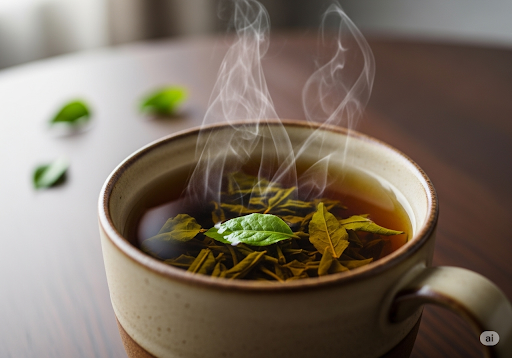
Tea is very good, but don’t drink it during meals.
Notably, the active compound Epigallocatechin gallate (EGCG) in tea has the ability to bind to non-heme iron in food. When iron absorption is hindered for an extended period, your body will experience fatigue, reduced immunity, and an increased risk of anemia.
Do not drink strong tea.
According to Doctor Thu Ha, very strong tea contains a high amount of caffeine, which can stimulate the central nervous system, causing feelings of excitement, rapid heartbeat, and difficulty sleeping, especially if you drink a lot of it in the evening. For people sensitive to caffeine, these reactions are often more pronounced, affecting sleep and daily activities.
Maintaining a habit of drinking strong tea over a long period can lead to digestive disorders, restlessness, anxiety, and impaired concentration. This is especially true for people with cardiovascular disease, high blood pressure, or stomach problems, as strong tea can worsen these conditions.
Therefore, to maintain relaxation and regulate your circadian rhythm, you should brew tea in moderation and avoid drinking strong tea late in the day.
Do not drink green tea on an empty stomach.
Drinking tea on an empty stomach can dilute gastric juices, impairing digestive function. Over time, this habit can easily damage the mucous membrane, leading to gastritis, ulcers, or stomach pain. In particular, astringent compounds in tea, such as tannins, stimulate the stomach to produce more acid, making it easier for those with a history of stomach pain to experience a recurrence.
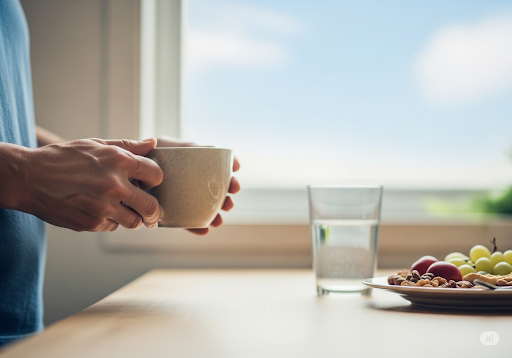
Drinking tea on an empty stomach can dilute gastric juices, impairing digestive function.
Furthermore, drinking tea on an empty stomach can reduce nutrient absorption. The acidity in tea can hinder digestion, making it difficult for the body to absorb vitamins and minerals. Therefore, you should drink tea after a light meal or for better digestion.
Do not steep tea leaves for too long.
Some people believe that steeping tea for longer enhances its flavor and increases its nutritional value. However, this can cause the tea to lose its natural flavor and reduce its nutritional benefits. When steeped for too long, tea becomes bitter, and beneficial compounds are more likely to break down over time. This directly affects the tea-drinking experience and the original nutritional value. For best results, you should steep green tea for about 5 minutes, black tea for 5-10 minutes, and white tea for about 15 minutes.
People who shouldn’t drink green tea
To ensure good health, some people need to limit or avoid green tea. Below are the groups of people who should be mindful when drinking this beverage:
People with stomach problems, cardiovascular issues, iron-deficiency anemia, general weakness, thyroid disorders, or liver problems should be cautious. Patients taking medication for high blood pressure, heart disease, or antipsychotics should also be careful as green tea may interact with these medications, reducing their effectiveness or causing side effects. Those with blood clotting disorders should also be cautious, as the vitamin K in tea may affect the effectiveness of anticoagulants. Pregnant women and young children should also avoid green tea to prevent negative effects on sleep, digestion, and nutrient absorption.
Doctor Thu Ha advises that to maximize the benefits of green tea, one should be aware of “four don’ts” when drinking it to avoid harming their health. Using green tea correctly and at the right time will contribute to sustainable and long-term health benefits.